

My Garage
My Account
Cart
Genuine Toyota Prius Relay
Wire Relay- Select Vehicle by Model
- Select Vehicle by VIN
Select Vehicle by Model
orMake
Model
Year
Select Vehicle by VIN
For the most accurate results, select vehicle by your VIN (Vehicle Identification Number).
40 Relays found
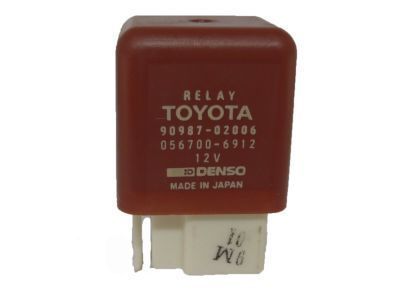
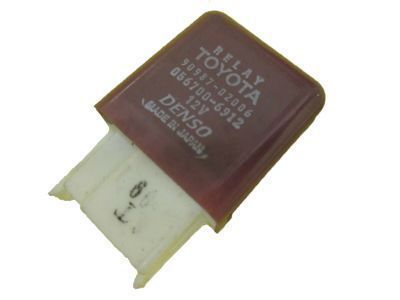
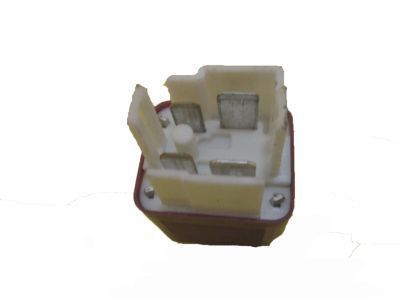
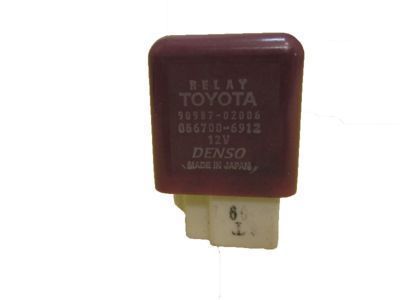
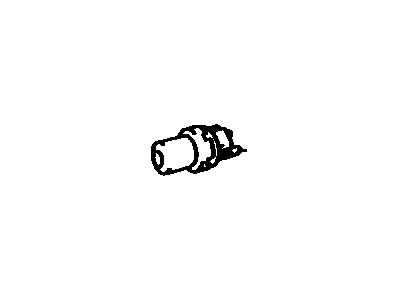
Toyota Prius Relay Assembly
Part Number: 90987-02006$42.97 MSRP: $60.06You Save: $17.09 (29%)Ships in 1-3 Business Days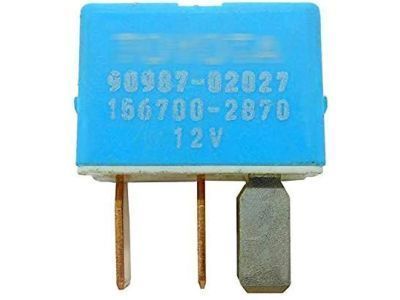
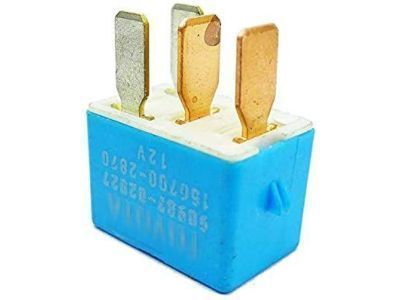
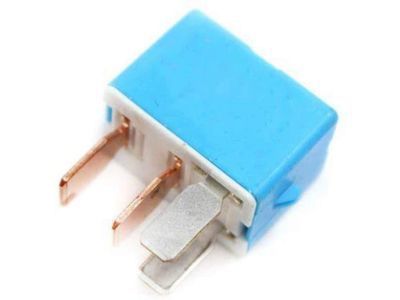
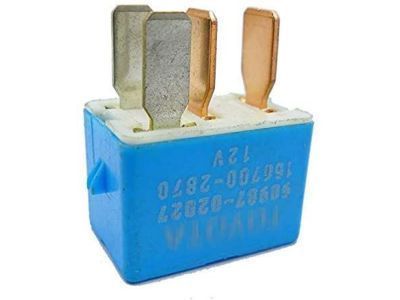
Toyota Prius Relay
Part Number: 90987-02027$23.43 MSRP: $32.75You Save: $9.32 (29%)Ships in 1-3 Business Days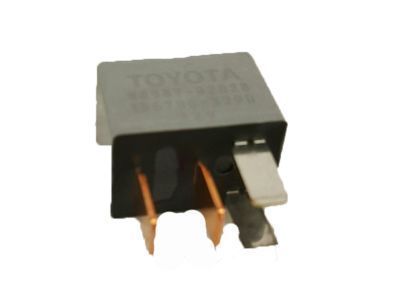
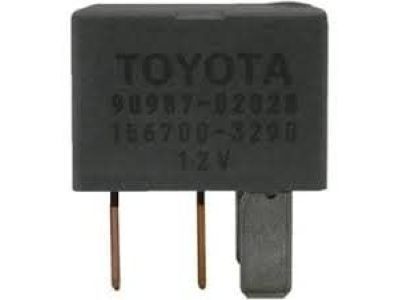
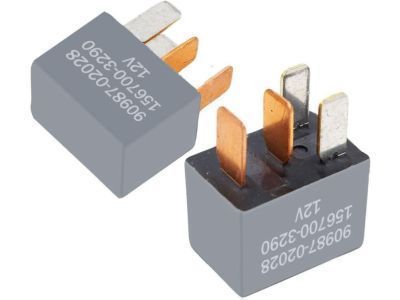
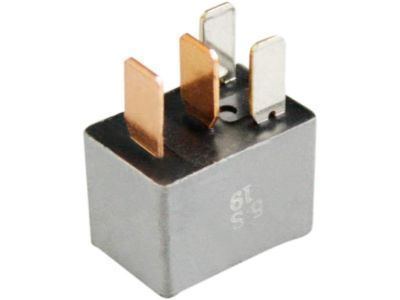

Toyota Prius Air Conditioning Clutch Relay
Part Number: 90987-02028$83.77 MSRP: $118.08You Save: $34.31 (30%)Ships in 1 Business Day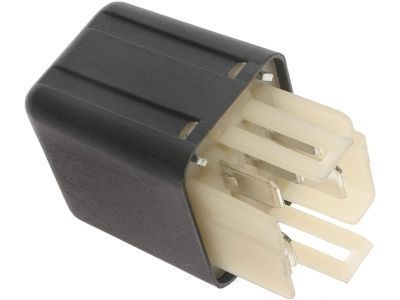
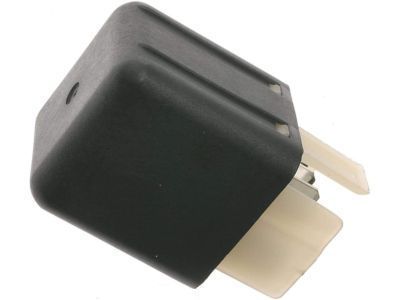
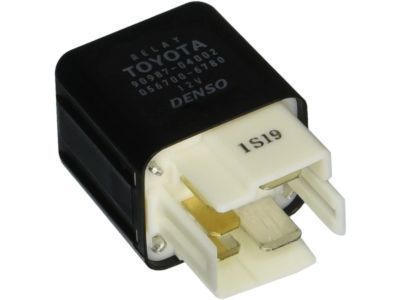
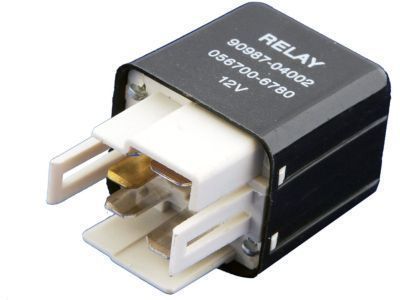
Toyota Prius Relay
Part Number: 90987-04002$27.48 MSRP: $38.41You Save: $10.93 (29%)Ships in 1-3 Business Days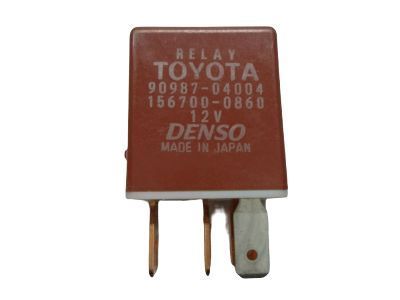
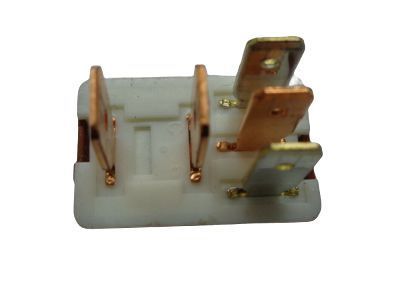
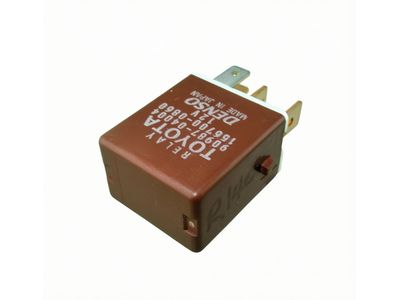
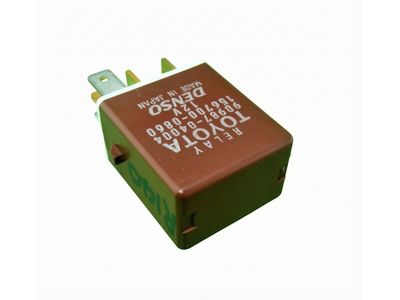

Toyota Prius Relay
Part Number: 90987-04004$59.49 MSRP: $83.15You Save: $23.66 (29%)Ships in 1 Business Day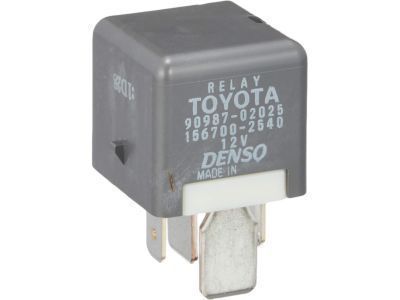
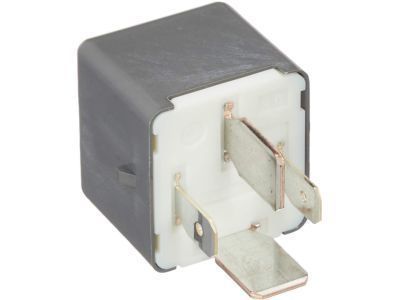
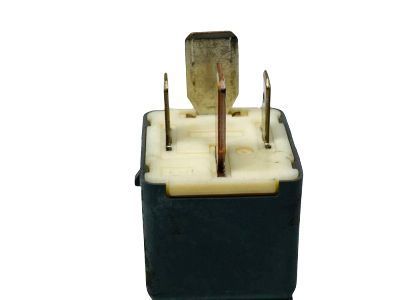
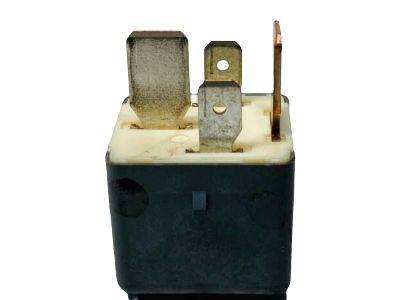
Toyota Prius Relay
Part Number: 90987-02025$69.61 MSRP: $98.12You Save: $28.51 (30%)Ships in 1-3 Business Days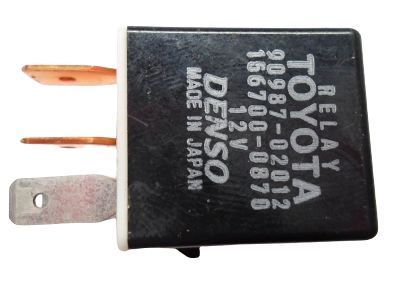
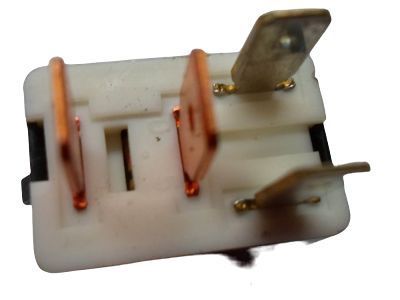
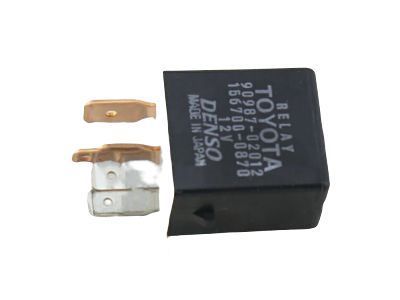
Toyota Prius Circuit Opening Relay Assembly
Part Number: 90987-02012$95.57 MSRP: $134.72You Save: $39.15 (30%)Ships in 1-3 Business Days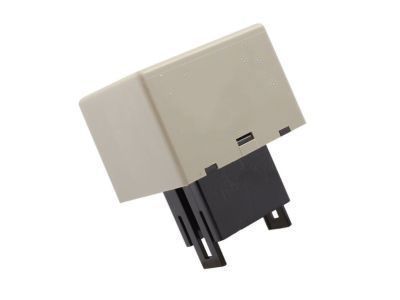
Toyota Prius Turn Signal Flasher Assembly
Part Number: 81980-50030$59.49 MSRP: $83.15You Save: $23.66 (29%)Ships in 1-2 Business Days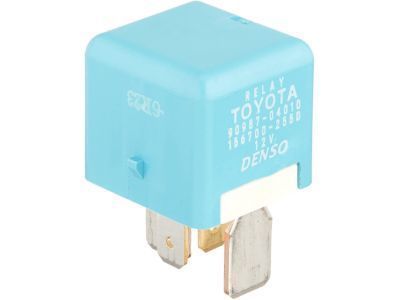
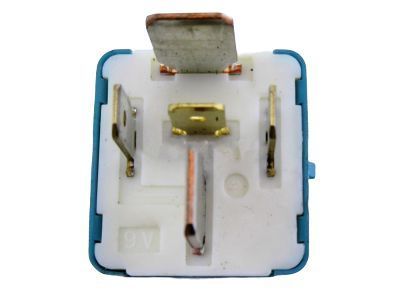
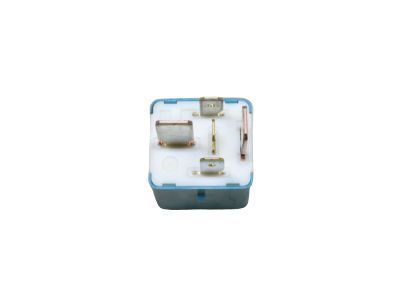
Toyota Prius Relay Assembly for Heater Blower Motor
Part Number: 90987-04010$69.61 MSRP: $98.12You Save: $28.51 (30%)Ships in 1 Business Day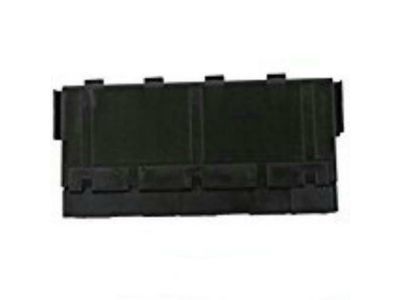
Toyota Prius Integration Relay
Part Number: 82641-47020$153.26 MSRP: $217.88You Save: $64.62 (30%)Ships in 1-3 Business Days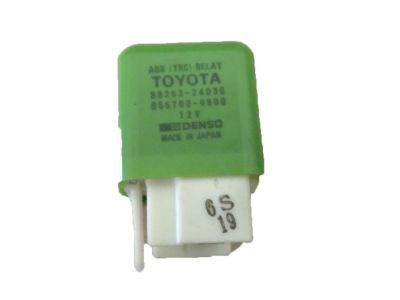
Toyota Prius Skid Control Relay
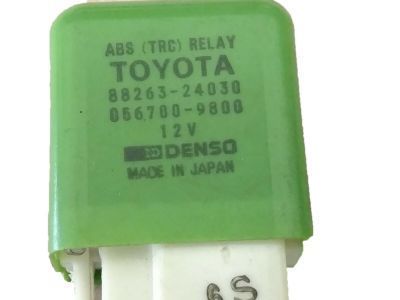
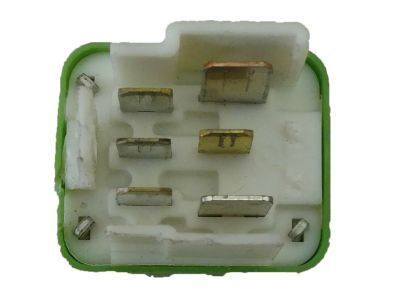
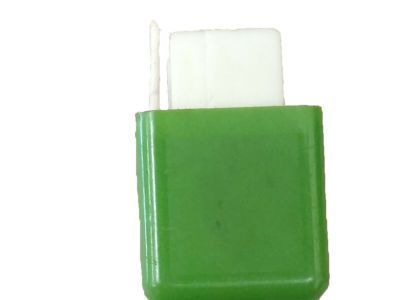
Part Number: 88263-24030$71.97 MSRP: $101.45You Save: $29.48 (30%)Ships in 1 Business Day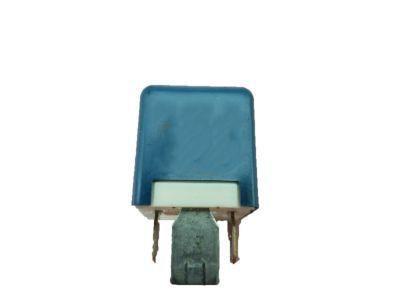
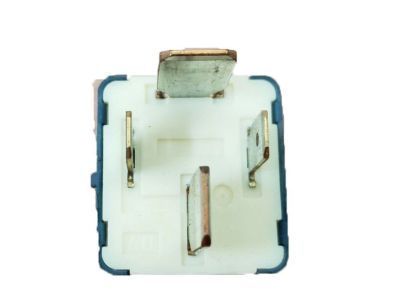

Toyota Prius Skid Control Relay
Part Number: 88263-21010$73.15 MSRP: $103.11You Save: $29.96 (30%)Ships in 1 Business Day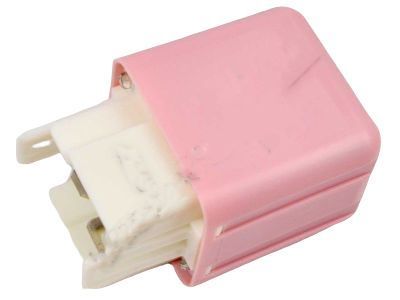
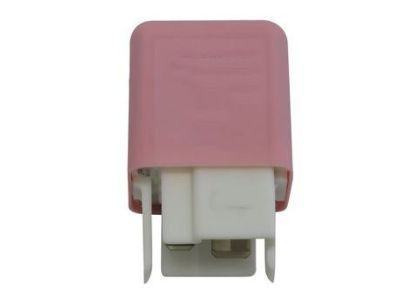
Toyota Prius Relay, Traction Control
Part Number: 89633-24010$87.31 MSRP: $123.07You Save: $35.76 (30%)Ships in 1-2 Business Days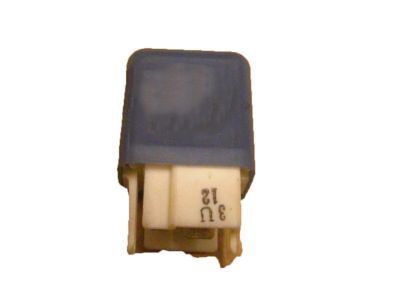
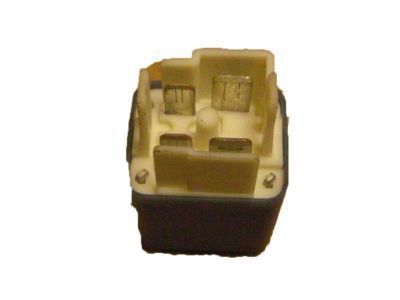
Toyota Prius Skid Control Relay
Part Number: 88263-24020$71.97 MSRP: $101.45You Save: $29.48 (30%)Ships in 1-2 Business Days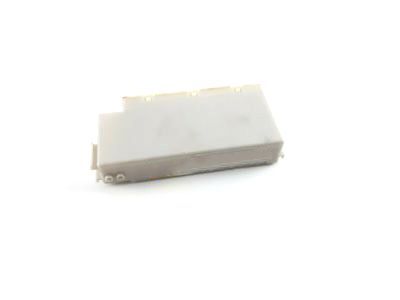
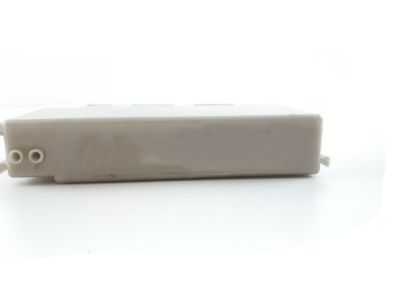
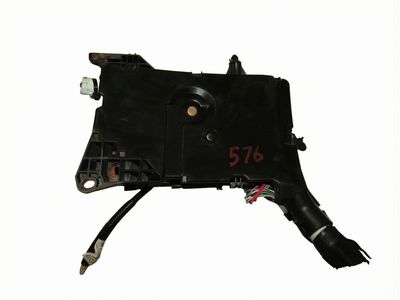
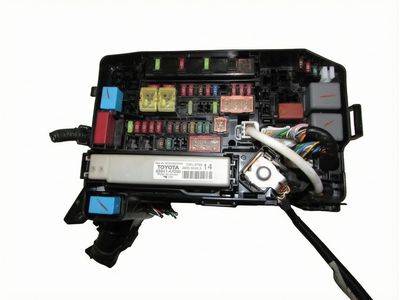
Toyota Prius Integration Relay
Part Number: 82641-47090$168.47 MSRP: $239.51You Save: $71.04 (30%)Ships in 1-3 Business Days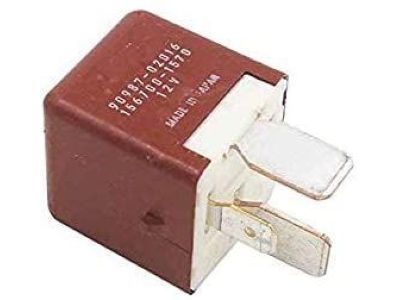
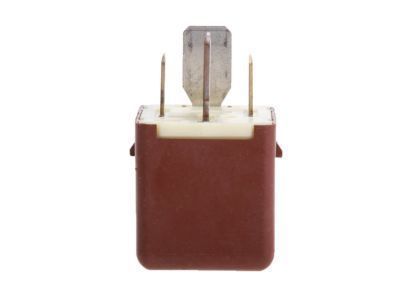
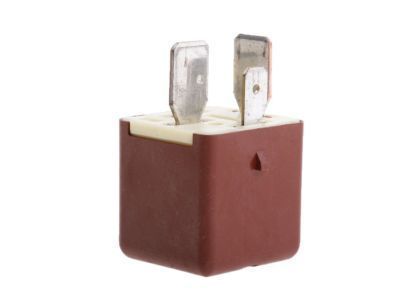
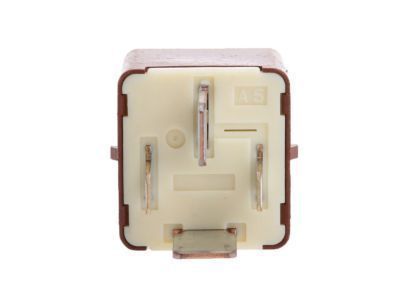
Toyota Prius Relay, Cooling Fan
Part Number: 90987-02016$69.61 MSRP: $98.12You Save: $28.51 (30%)Ships in 1-3 Business Days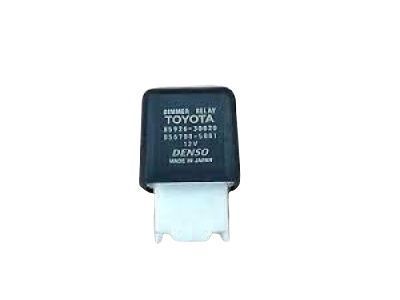
Toyota Prius Headlamp Dimmer Relay
Part Number: 85926-30020$71.97 MSRP: $101.45You Save: $29.48 (30%)Ships in 1-2 Business Days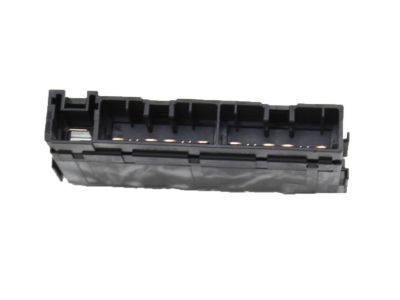
Toyota Prius Integration Relay
Part Number: 82641-71010$228.51 MSRP: $327.66You Save: $99.15 (31%)Ships in 1-3 Business Days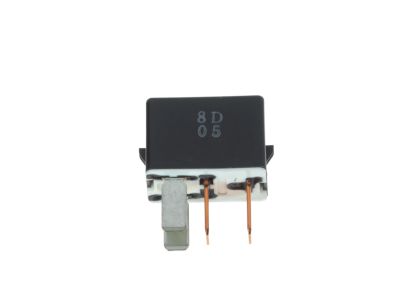
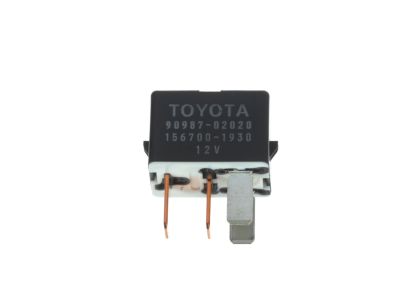
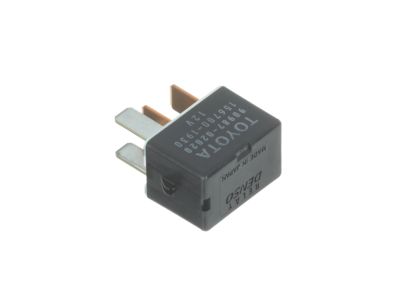
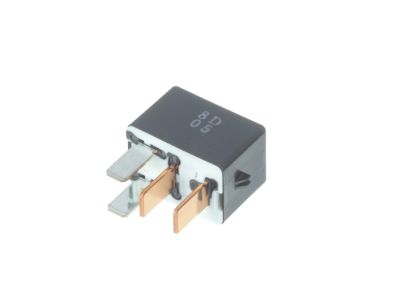
Toyota Prius Circuit Opening Relay Assembly
Part Number: 90987-02020$90.38 MSRP: $127.40You Save: $37.02 (30%)Ships in 1-3 Business Days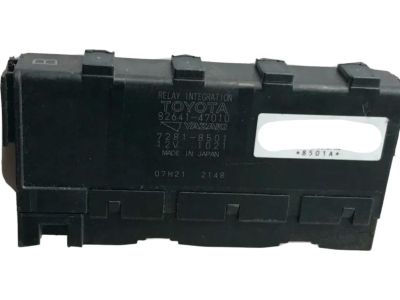
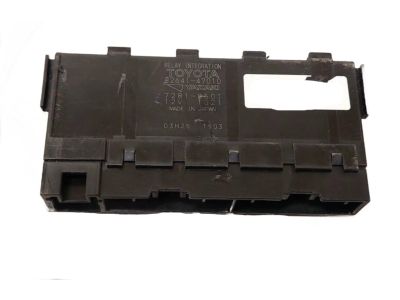
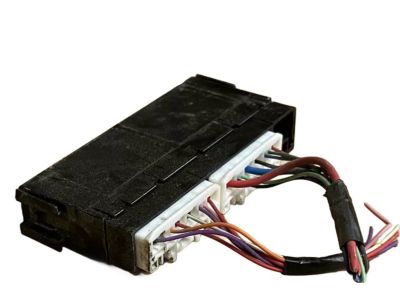
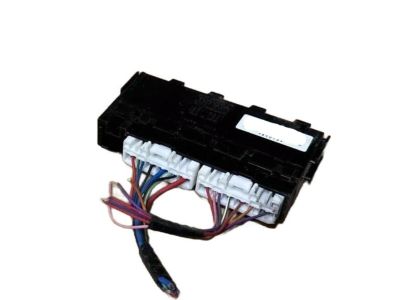
Toyota Prius Integration Relay
Part Number: 82641-47010$190.23 MSRP: $272.77You Save: $82.54 (31%)Ships in 1-3 Business Days
| Page 1 of 2 |Next >
1-20 of 40 Results
Toyota Prius Relay
The Prius Relay, a small Toyota switch, allows the climate and other circuits to respond instantly to low-power control signals. Using an electromechanical design with an electromagnet that pulls contacts together, the Relay sends full battery power to things such as a cooling fan or blower motor whenever the control module requests it. This avoids heavier current draw by those modules. Throughout the years, models have alternated between a traditional moving-contact unit, which clicks and can be serviced simply, and a solid-state version, which is silent and has no moving parts. Some generations of the Relay are magnetic latching, which will hold its position after a single pulse. This will protect the settings if voltage dips. The available variants include a calibrated coil in the protective Relay that opens during overload to save the wires and costlier equipment. Regardless of the model, when it fails, it can cause air flow to shut down, reversed heat for cold, or dash codes to trigger. Thus, getting an early replacement aids all Toyota owners in keeping a dependable Prius climate system and an overall electrical network that stays trouble free. Across every Prius variant, this Toyota part has remained true to its purpose, even as each Relay model evolved.
If you are in demand for superior quality and affordable OEM Toyota Prius Relay, then shop with us! We own a wide range of the reduced-priced genuine Toyota Prius Relay. You can purchase in confidence as all parts come with a manufacturer's warranty. Any issues with our products? No need to worry as we have a hassle-free return policy to guide you every step of the way.
Toyota Prius Relay Parts Questions & Experts Answers
- Q:What is the general information and testing procedure for relays on Toyota Prius?Posted by Sonia Z.A:Some of the electrical fittings in the car include; fuel injection system, horn, starter, and fog lamps which uses relays to send eletrical signals to parts; they feature a low current control circuit to run a high current power circuit. A bad relay will result in the improper functioning of the connected device and majority of relays are usually placed in the fuse and relay compartment of a car engine. If a faulty relay is assumed to be causing the problem it can be withdrawn from use and diagnosed maybe by a specific test or by a servicing outlet. Defective relays have to be replaced in toto ; circuit identification is usually to be found on a label on the top of the relay or, in the case of some boxes, on the inside of the lid. There are some which are involved with the interior fuse box and among them is the starter relay among others. After wiring diagrams have been made, testing is done by ensuring wiring diagram has been well connected; if in doubt more information can be sought. Some of the common relay classifications are basic relay types and their function, normally closed and normally open. Usually terminals 1 and 3 are of control circuit and are connected to the relay coil and terminals 2 and 4 of power circuit. Certain relays may be labeled for control side and power side terminals. To check, attach an ohmmeter between the power circuit terminals; should read no current flow when not powered but when powered, a current flow should be read. With the jumper wires, join one of the control circuit terminal to the positive terminal of the battery, and another end to the negative terminal; the relay should emit a sound as though it has been 'clicked'. If polarity is important, you may have to interchange the jumper wires or use those with appropriate polarity. An indication that relay is defective is if it fails this particular test, then a replacement is necessary.Answered by Toyota Parts Specialist Andy / Oct 11, 2024
Related Toyota Prius Parts
 Toyota Prius Wiper Switch
 Toyota Prius Brake Light Switch
 Toyota Prius Door Jamb Switch
 Toyota Prius Power Window Switch
 Toyota Prius Dimmer Switch
 Toyota Prius Mirror Switch
 Toyota Prius Turn Signal Switch
 Toyota Prius Oil Pressure Switch
 Toyota Prius Seat Switch
 Toyota Prius Seat Heater Switch
 Toyota Prius Neutral Safety Switch