

My Garage
My Account
Cart
Genuine Toyota RAV4 Relay
Wire Relay- Select Vehicle by Model
- Select Vehicle by VIN
Select Vehicle by Model
orMake
Model
Year
Select Vehicle by VIN
For the most accurate results, select vehicle by your VIN (Vehicle Identification Number).
60 Relays found
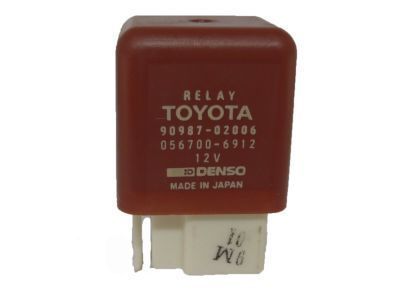
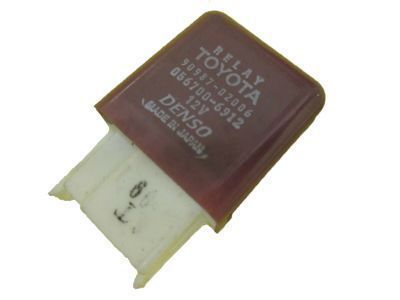
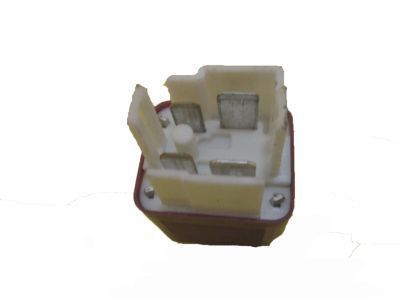
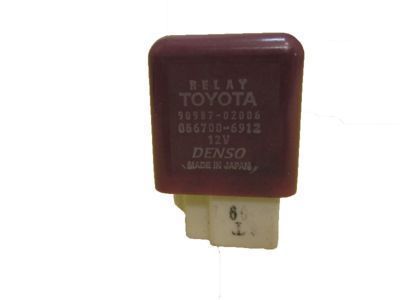
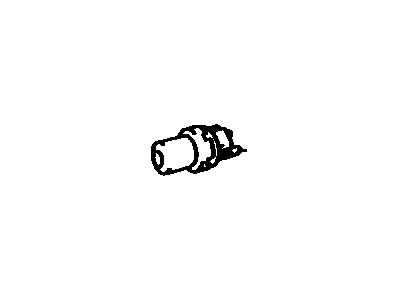
Toyota RAV4 Relay Assembly
Part Number: 90987-02006$42.97 MSRP: $60.06You Save: $17.09 (29%)Ships in 1-3 Business Days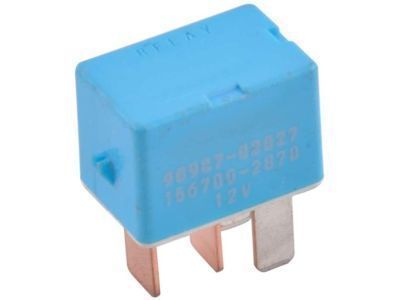
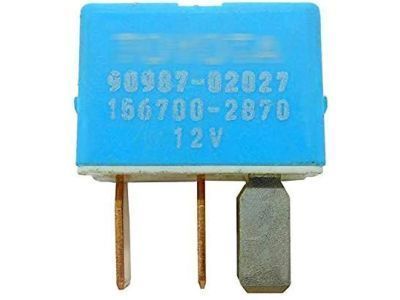
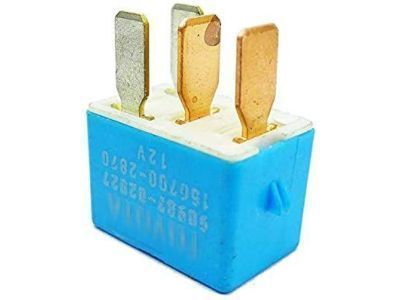
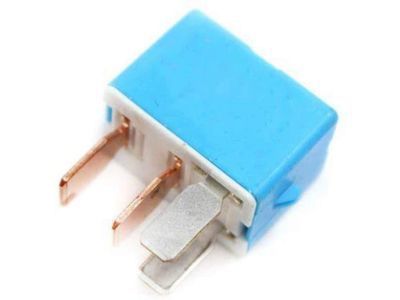
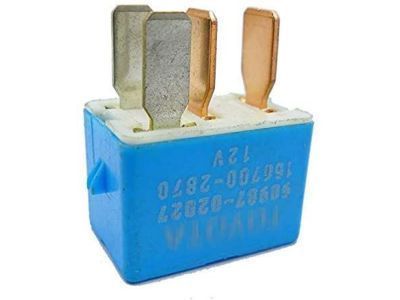
Toyota RAV4 Relay
Part Number: 90987-02027$22.96 MSRP: $32.09You Save: $9.13 (29%)Ships in 1-3 Business Days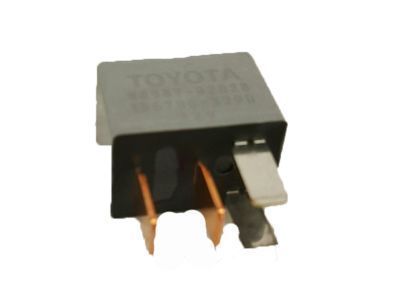
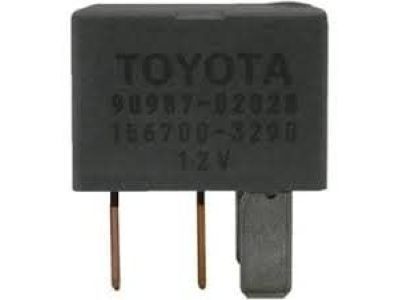
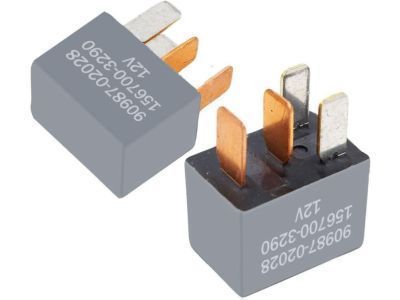
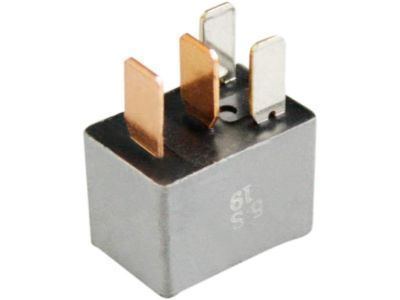
Toyota RAV4 Air Conditioning Clutch Relay
Part Number: 90987-02028$82.00 MSRP: $115.59You Save: $33.59 (30%)Ships in 1 Business Day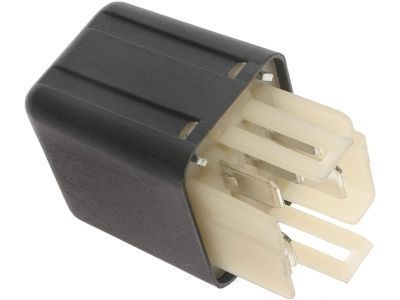
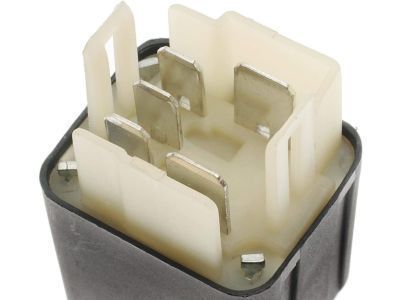
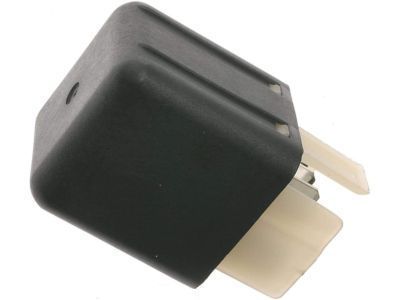
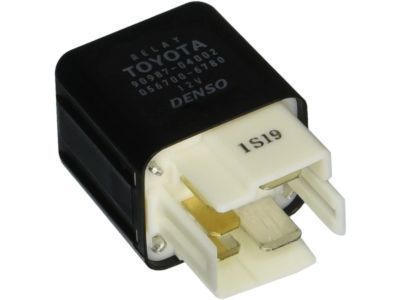
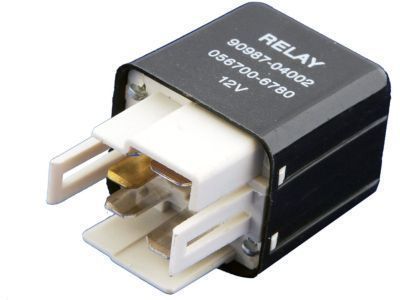
Toyota RAV4 Relay
Part Number: 90987-04002$26.88 MSRP: $37.58You Save: $10.70 (29%)Ships in 1-3 Business Days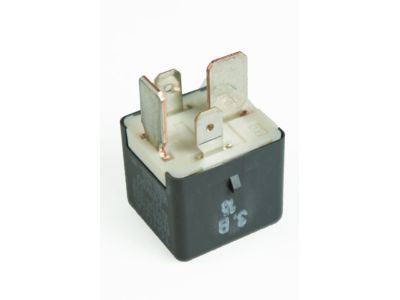
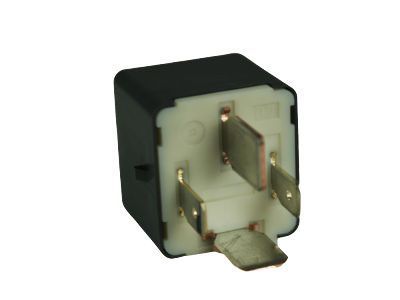
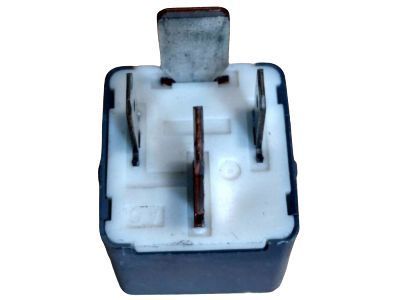
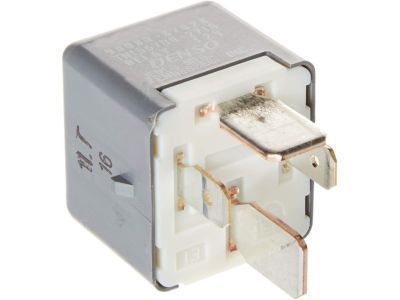
Toyota RAV4 Circuit Opening Relay Assembly
Part Number: 90080-87024$67.84 MSRP: $95.63You Save: $27.79 (30%)Ships in 1-3 Business Days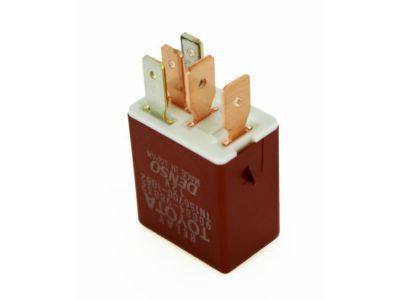
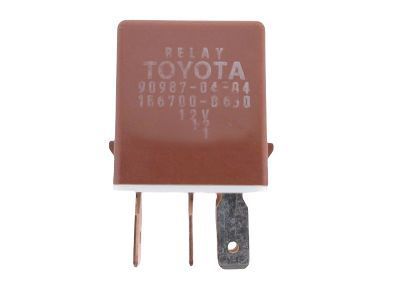
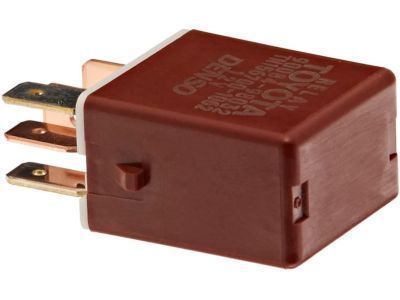
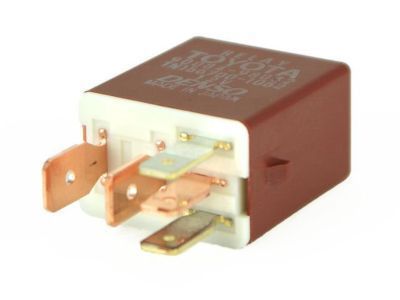
Toyota RAV4 Circuit Opening Relay Assembly
Part Number: 90084-98032$57.94 MSRP: $80.99You Save: $23.05 (29%)Ships in 1-3 Business Days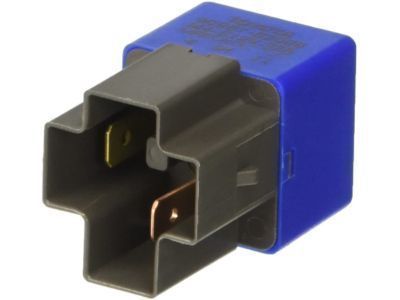
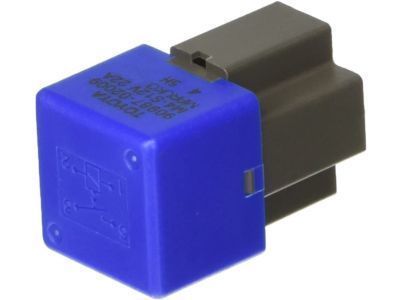
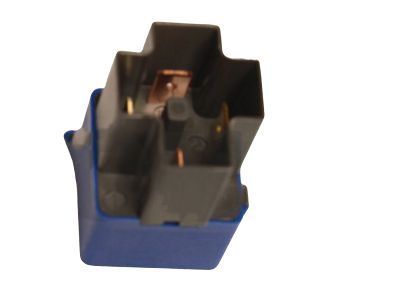
Toyota RAV4 Relay
Part Number: 90987-02009$47.95 MSRP: $67.02You Save: $19.07 (29%)Ships in 1-3 Business Days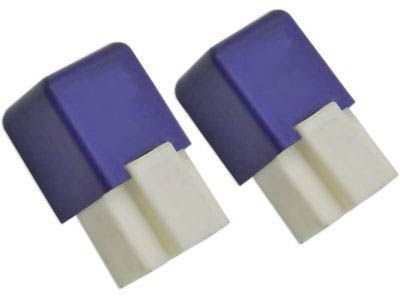
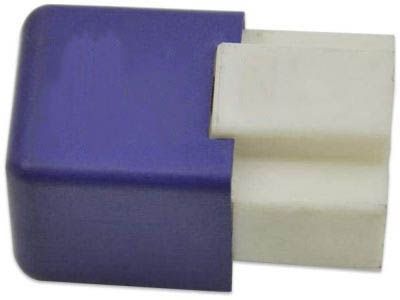
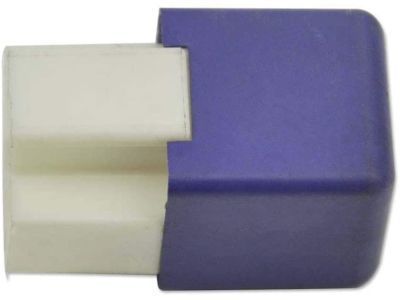
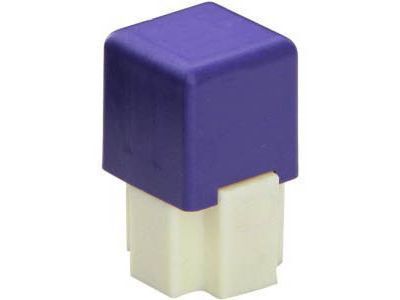
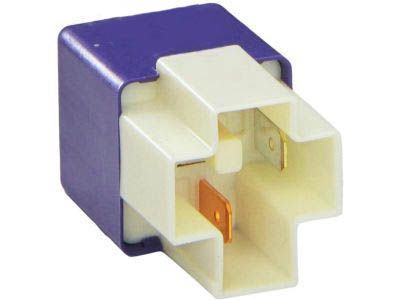

Toyota RAV4 Starter Relay Assembly
Part Number: 28300-10020$81.41 MSRP: $114.75You Save: $33.34 (30%)Ships in 1-2 Business Days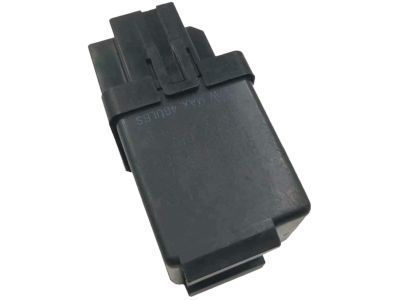
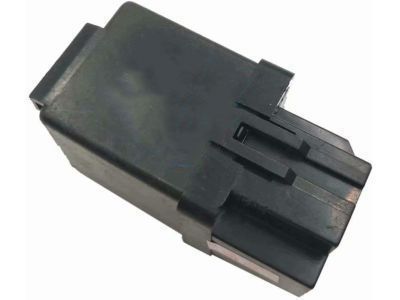
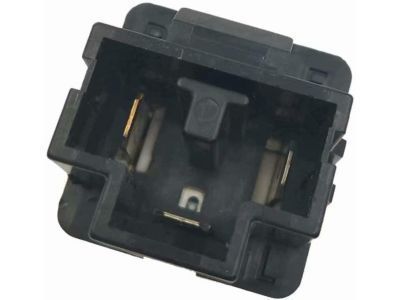
Toyota RAV4 Turn Signal Flasher Assembly
Part Number: 81980-12070$54.97 MSRP: $76.83You Save: $21.86 (29%)Ships in 1-3 Business Days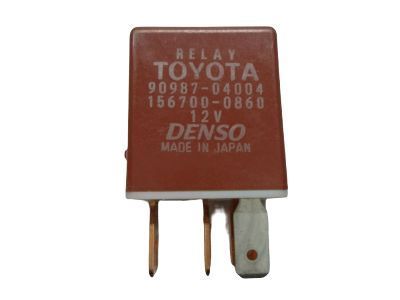
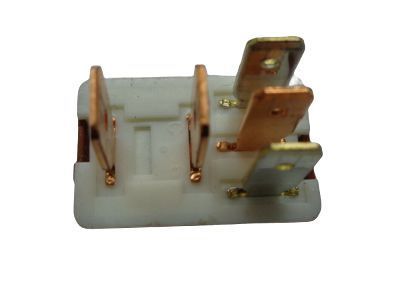

Toyota RAV4 Relay
Part Number: 90987-04004$57.94 MSRP: $80.99You Save: $23.05 (29%)Ships in 1 Business Day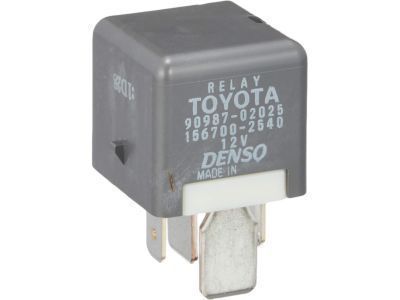
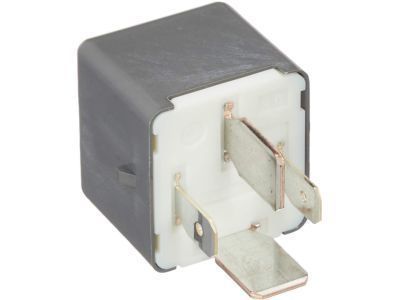
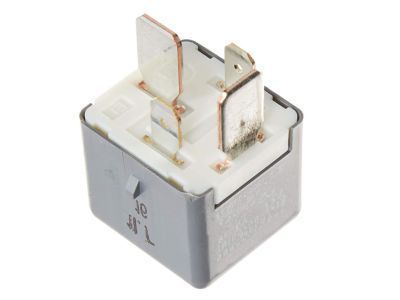
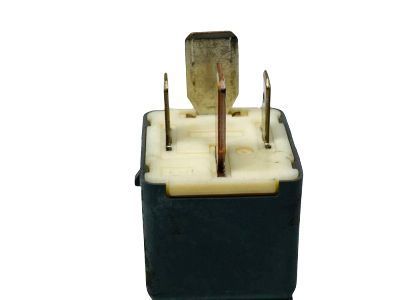
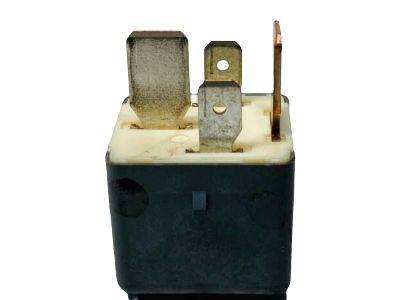
Toyota RAV4 Relay
Part Number: 90987-02025$67.84 MSRP: $95.63You Save: $27.79 (30%)Ships in 1-3 Business Days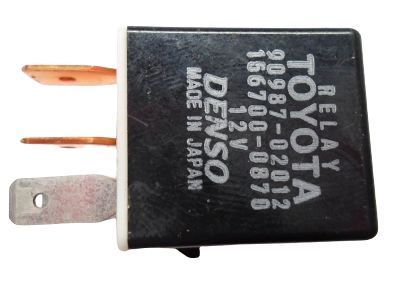
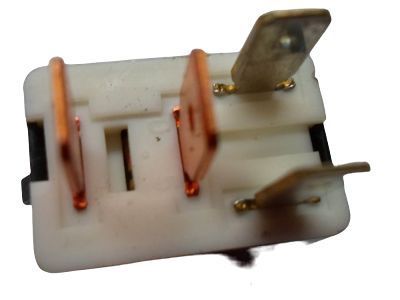
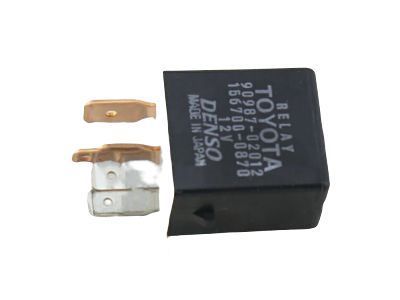
Toyota RAV4 Circuit Opening Relay Assembly
Part Number: 90987-02012$93.56 MSRP: $131.89You Save: $38.33 (30%)Ships in 1-3 Business Days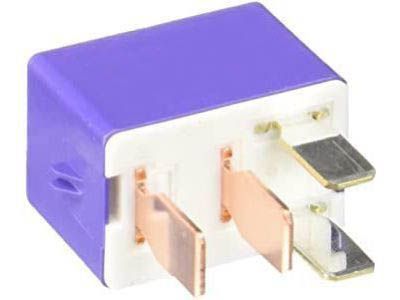
Toyota RAV4 Relay Assembly, Starter
Part Number: 28300-0A010$74.45 MSRP: $104.94You Save: $30.49 (30%)Ships in 1-2 Business Days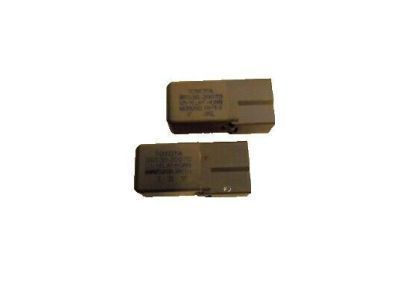
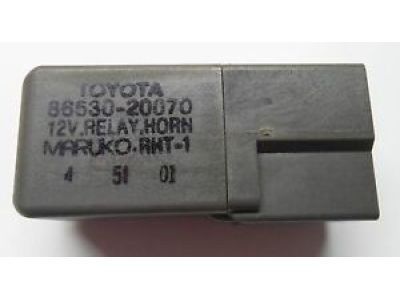
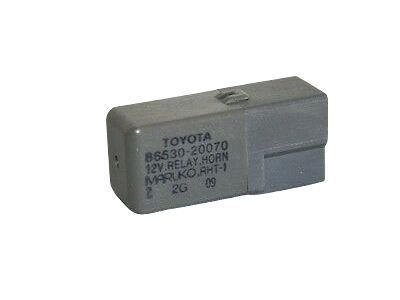
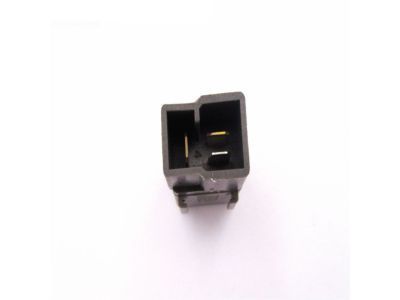
Toyota RAV4 Horn Relay Assembly
Part Number: 86530-20070$17.60 MSRP: $24.60You Save: $7.00 (29%)Ships in 1-3 Business Days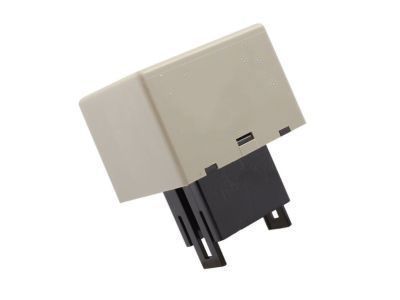
Toyota RAV4 Turn Signal Flasher Assembly
Part Number: 81980-50030$58.89 MSRP: $82.32You Save: $23.43 (29%)Ships in 1-2 Business Days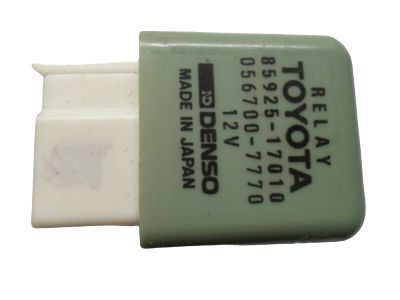
Toyota RAV4 Relay Assembly for Heater Blower Motor
Part Number: 85925-17010$62.88 MSRP: $88.64You Save: $25.76 (30%)Ships in 1-3 Business Days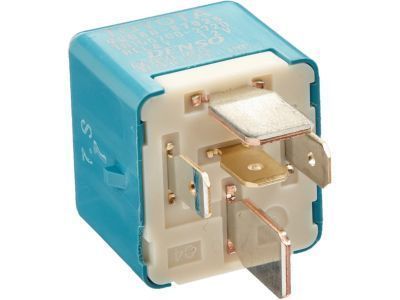
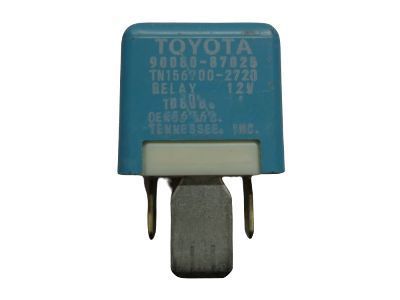
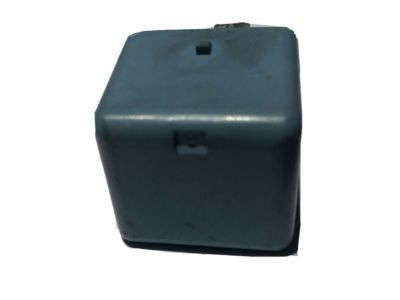
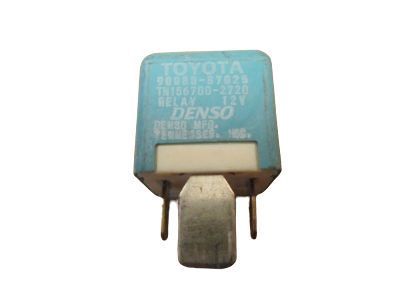
Toyota RAV4 Relay Assembly
Part Number: 90080-87025$67.72 MSRP: $95.46You Save: $27.74 (30%)Ships in 1 Business Day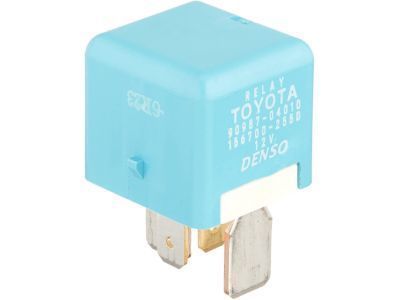
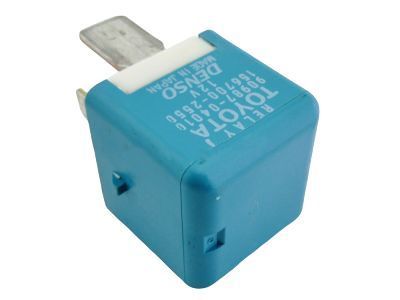
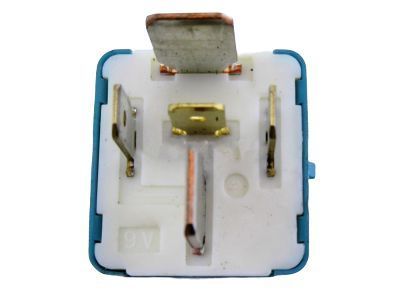
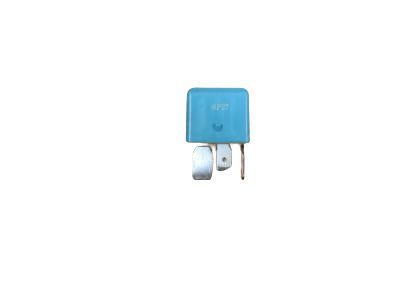
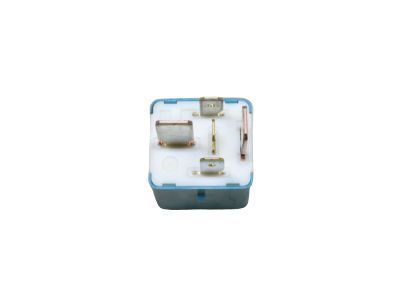
Toyota RAV4 Relay Assembly for Heater Blower Motor
Part Number: 90987-04010$67.72 MSRP: $95.46You Save: $27.74 (30%)Ships in 1 Business Day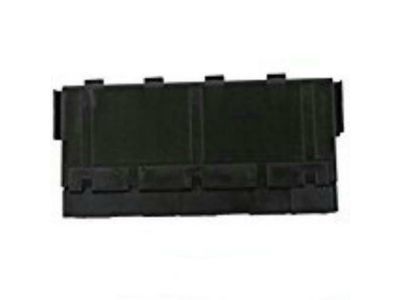
Toyota RAV4 Integration Relay
Part Number: 82641-47020$149.87 MSRP: $213.06You Save: $63.19 (30%)Ships in 1-3 Business Days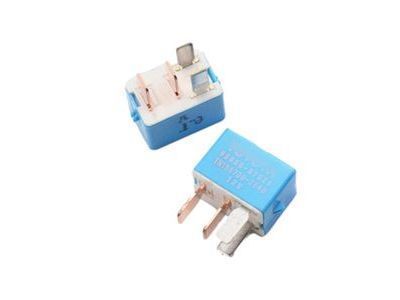
| Page 1 of 3 |Next >
1-20 of 60 Results
Toyota RAV4 Relay
The electrically operated switch responsible for protecting and supplying the key climate components for the RAV4 model of the Japanese manufacturer functions as a Toyota RAV4 Relay. In addition, it will allow the fan, blower motor, and sensors to operate when low current signals occur. It sends a brief pulse to open or close higher load circuits. A faulty unit can stop the fan or halt the blower while larger components are still fine. The early Relay units applied electromechanical magnet contacts movement. Later solid state pieces skip over moving parts. The magnetic latching versions lock the position after one pulse to hold settings in case of power loss. Throughout the years, Toyota adapted the RAV4 electrical setup for changing cabin electronics. In each installment of the compact crossover, the Relay collaborates with ambient and interior air sensors, as well as the A/C and heat switch, and translates its findings into clear on off signals, maintaining stable temperatures and preventing warning lights. Before replacing expensive compressors or fans, test the Relay first. After all, if one link is weak, it stalls the system. In the end, a healthy Relay that clicks at the heart of every RAV4 cabin comfort cycle helps to keep the Toyota climate chain strong.
If you are in demand for superior quality and affordable OEM Toyota RAV4 Relay, then shop with us! We own a wide range of the reduced-priced genuine Toyota RAV4 Relay. You can purchase in confidence as all parts come with a manufacturer's warranty. Any issues with our products? No need to worry as we have a hassle-free return policy to guide you every step of the way.
Toyota RAV4 Relay Parts Questions & Experts Answers
- Q:What is the general information about relays and their testing on Toyota Rav4?A:Many electrical consumer items in the vehicle require the fuel injection system, Horns, starter and fog lamps among others utilize relays to switch electrical signals to gizmos, where a low current control circuit governs a high current power circuit. A faulty relay will not allow correct functioning of the linked part; most of the relays are found in the engine bin fuse/relay boxes, while some others are hardwired above the interior fuse box in the car's dashboard. If a given relay is believed to be faulty, it has to be unbolted for possible examination either mechanically or by using dealer service department or repair shop procedure and where relays are defective, they must be replaced in their entirety. The existing varieties of relays are four, with some being of normally open and normally closed kinds; some of the types can close or open more circuits when they are energized. Regarding a preferred embodiment, two terminals are used as the control circuit that contributes to the connection with the relay coil, whereas other two terminals are used as the power circuit. Control and power circuit terminal may be marked on some relays while on other's it is not so the proper connections have to be determined. When checking a relay the ohmmeter should be connected across the power circuit terminals of the relay, having no continuity when it is not energized and continuity when it is energize. This implies that a fused jumper wire should be connected one terminal of the control circuit to the positive terminal of the battery and the other terminal to the ground and the relay emit a clicking sound and there should be continuity on the meter. If the relay is also not clicking, then the change of the jumper wires may be required. If the relay does not pass through the test it should be replaced.
Related Toyota RAV4 Parts
 Toyota RAV4 Wiper Switch
 Toyota RAV4 Brake Light Switch
 Toyota RAV4 Neutral Safety Switch
 Toyota RAV4 Turn Signal Switch
 Toyota RAV4 Power Window Switch
 Toyota RAV4 Mirror Switch
 Toyota RAV4 Dimmer Switch
 Toyota RAV4 Door Jamb Switch
 Toyota RAV4 Oil Pressure Switch
 Toyota RAV4 Seat Switch
 Toyota RAV4 Seat Heater Switch
Browse by Year
2024 Relay 2023 Relay 2022 Relay 2021 Relay 2020 Relay 2019 Relay 2018 Relay 2017 Relay 2016 Relay 2015 Relay 2014 Relay 2013 Relay 2012 Relay 2011 Relay 2010 Relay 2009 Relay 2008 Relay 2007 Relay 2006 Relay 2005 Relay 2004 Relay 2003 Relay 2002 Relay 2001 Relay 2000 Relay 1999 Relay 1998 Relay 1997 Relay 1996 Relay