

My Garage
My Account
Cart
Genuine Toyota Solara Brake Pad Set
Disc Brake Pad Set- Select Vehicle by Model
- Select Vehicle by VIN
Select Vehicle by Model
orMake
Model
Year
Select Vehicle by VIN
For the most accurate results, select vehicle by your VIN (Vehicle Identification Number).
6 Brake Pad Sets found
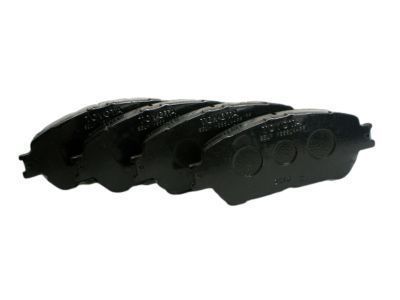
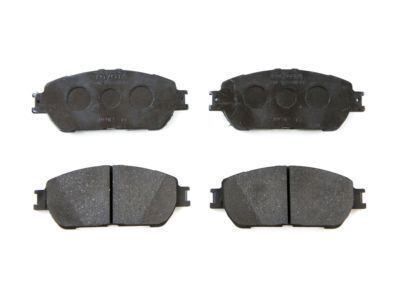
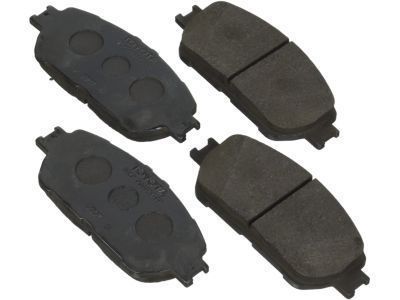
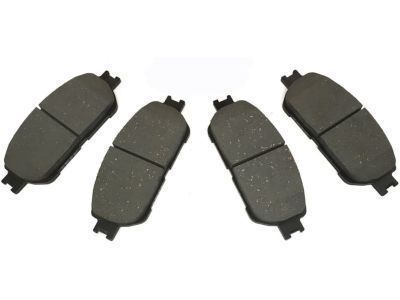
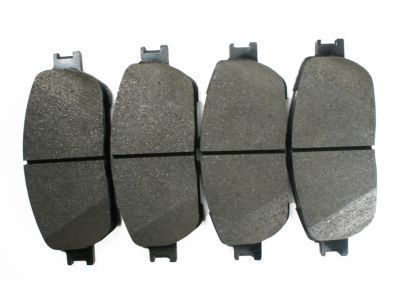
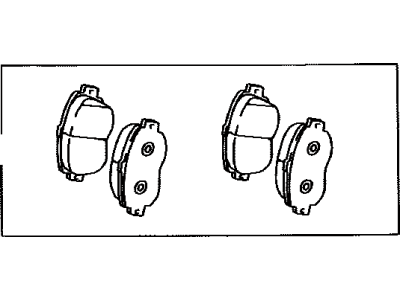
Toyota Solara Front Disc Brake Pad Kit
Part Number: 04465-08030$75.74 MSRP: $105.63You Save: $29.89 (29%)Ships in 1-2 Business Days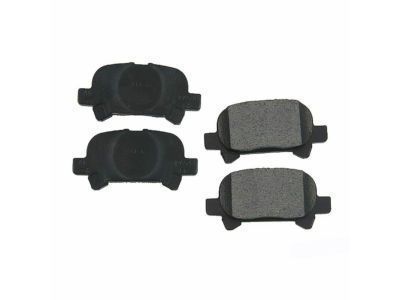
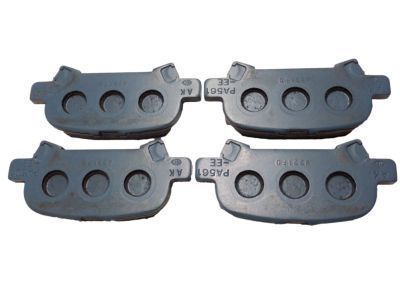
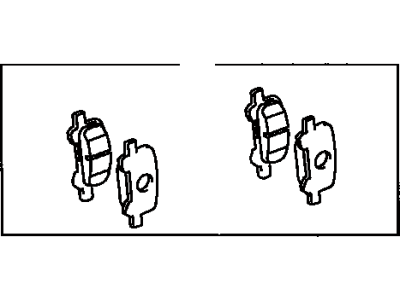
Toyota Solara Rear Disc Brake Pad Kit
Part Number: 04466-06030$56.99 MSRP: $79.27You Save: $22.28 (29%)Ships in 1-3 Business Days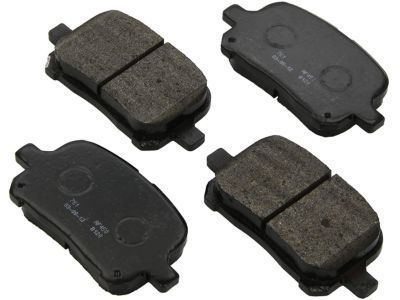
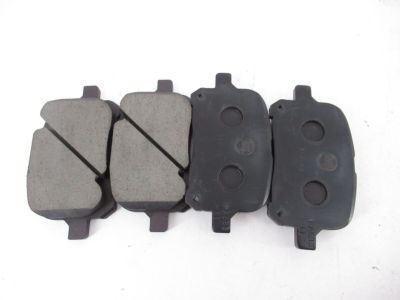
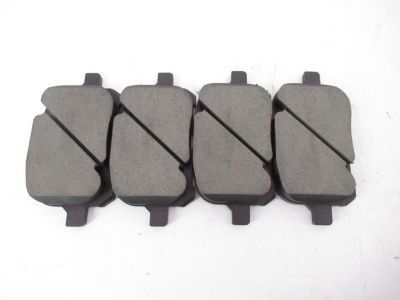
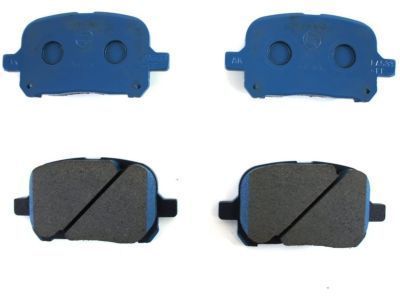
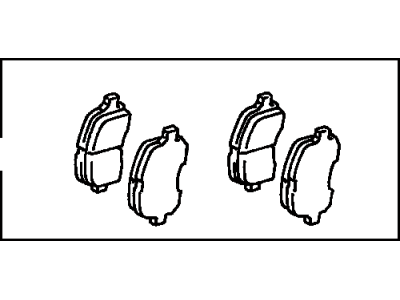
Toyota Solara Front Disc Brake Pad Kit
Part Number: 04465-33121$76.57 MSRP: $106.79You Save: $30.22 (29%)Ships in 1-2 Business Days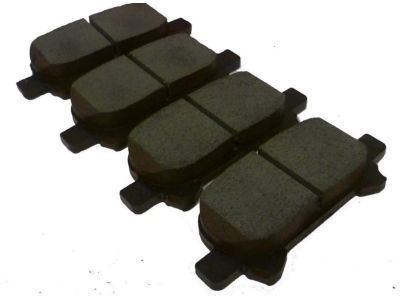
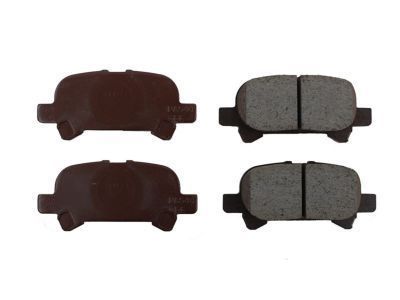
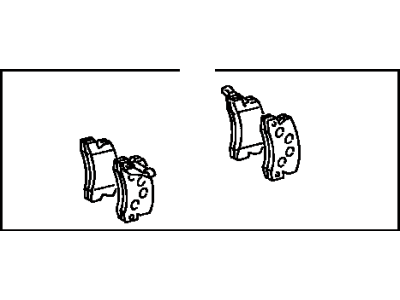
Toyota Solara Rear Disc Brake Pad Kit
Part Number: 04466-33060$56.99 MSRP: $79.27You Save: $22.28 (29%)Ships in 1-2 Business Days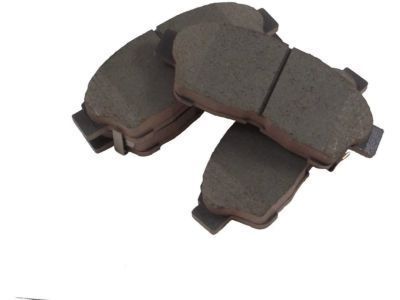
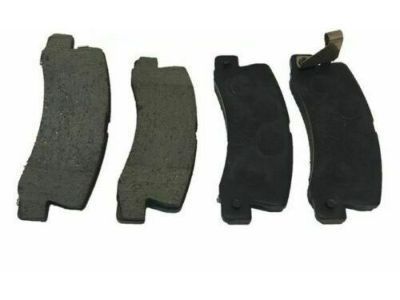
Toyota Solara Rear Disc Brake Pad Set
Part Number: 04466-33040$46.28 MSRP: $64.61You Save: $18.33 (29%)Ships in 1 Business Day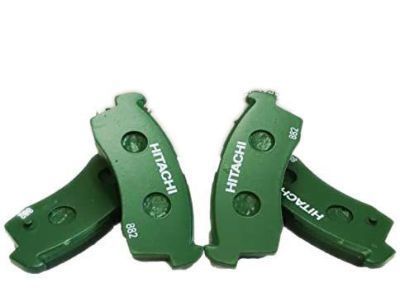
Toyota Solara Front Disc Brake Pad Set
Part Number: 04465-33120$76.57 MSRP: $106.79You Save: $30.22 (29%)Ships in 1-3 Business Days
Toyota Solara Brake Pad Set
The Brake Pad Set in your Toyota Solara provides reliable stopping power by converting motion into heat. It gives drivers reliable stopping power every time they press the pedal. This Brake Pad Set is made to factory specifications. Thus, it will fit both generations of the Solara body. It will fit without modification for SE and SLE trim levels. Every Brake Pad Set comes with a backing plate that comprises tough steel. This allows for the spread of pressure evenly and a lining that is tolerant to heat. As a result, it manages to hold the grip steady to keep the stops consistent during daily drives. The Brake Pad Set wear indicators emit chirping noises, increasing their effectiveness when the material gets thinner. A Brake Pad Set layered shim device minimizes noise, disturbance in an automobile's cabin, and heat transfer in calipers. Every Toyota braking mechanism is dependent on balanced parts. Further, thanks to the Brake Pad Set, which teams with stock rotors to reduce stopping distance while helping to maintain a consistent pedal feel that instills confidence and safety. Easy installation on 1999 through 2008 Toyota Solara models with either four-cylinder or V6 power lines up with factory calipers and hardware for quick work. The key to customer loyalty is their perception of durability in Toyota, and its Brake Pad Set guarantees fade resistance through repeated heat cycles. Whether you're doing the school run or cruising on the highway, this component improves efficiency by reducing drag when released and gripping hard when engaged. Opting for this kit preserves the energetic personality that makes every Toyota Solara enjoyable while protecting the occupants with dependable high-performance braking that balances elegantly day-to-day use and reminds Toyota fans their Solara is always on for the next mile.
If you are in demand for superior quality and affordable OEM Toyota Solara Brake Pad Set, then shop with us! We own a wide range of the reduced-priced genuine Toyota Solara Brake Pad Set. You can purchase in confidence as all parts come with a manufacturer's warranty. Any issues with our products? No need to worry as we have a hassle-free return policy to guide you every step of the way.
Toyota Solara Brake Pad Set Parts Questions & Experts Answers
- Q:How to Replace Brake Pad Set on 2002 through 2008 Toyota Solara?Posted by Adil H.A:The application of this procedure is on both the front and rear disc brakes and depending on the pads selected, pad shims and wear indicators should be renewed each time with the pads. It is advisable to start by unscrewing the cap on the brake fluid container. Typically, loosen the wheel lug nuts, raise the front or rear part of the automobile and place it on jack stands and block the wheels at the other end. Take off the wheels and carry out servicing one brake assembly at the time, referring to the assembled brake if necessary. Examine the Brake Disc; if it needs to be machined, pull out the disc to also get rid of the pads. Pull the piston back into the bore to clear space for the new brake pads, here a C-clamp is used while exercising caution so that you do not spill too much of the hydraulic fluid in the master cylinder, siphoning some off if it gets to be too much. For front brake pad replacement, in the following illustrations will be shown in order and for the rear brake pad replacement, the brake assembly should be cleaned using brake cleaner before removing the parts. When reinstalling the caliper, torque the mounting bolts to the prescribed value. Lastly, a few applications of the brake pedal after the job to ensure a contact between the pads and the disc is made and inspection of the brake fluid level with subsequent addition of some of the fluid, if needed, and testing for the proper working of brakes before putting the vehicle back to normal usage.Answered by Toyota Parts Specialist Jerry / Feb 21, 2025
Related Toyota Solara Parts
 Toyota Solara Brake Disc
 Toyota Solara Backing Plate
 Toyota Solara Brake Drum
 Toyota Solara Brake Proportioning Valve
 Toyota Solara Brake Shoe Set
 Toyota Solara Brake Caliper
 Toyota Solara Master Cylinder Repair Kit
 Toyota Solara Parking Brake Shoe
 Toyota Solara Wheel Cylinder
 Toyota Solara Brake Caliper Bracket