

My Garage
My Account
Cart
Genuine Toyota Supra Clutch Master Cylinder
- Select Vehicle by Model
- Select Vehicle by VIN
Select Vehicle by Model
orMake
Model
Year
Select Vehicle by VIN
For the most accurate results, select vehicle by your VIN (Vehicle Identification Number).
19 Clutch Master Cylinders found
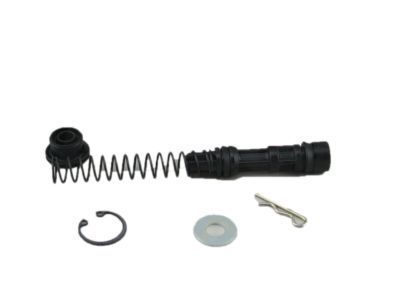
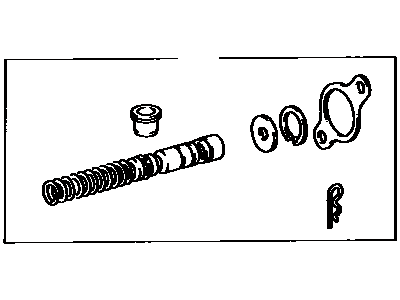
Toyota Supra Cylinder Kit, Clutch Master
Part Number: 04311-12110$42.47 MSRP: $59.36You Save: $16.89 (29%)Ships in 1-3 Business Days
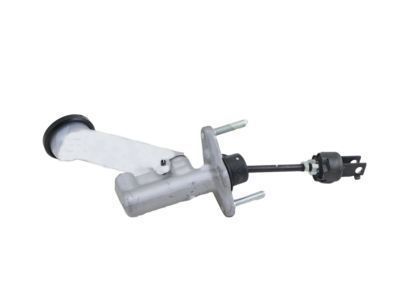
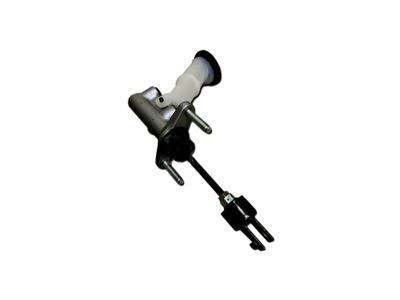
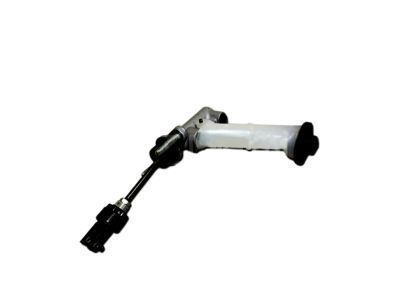
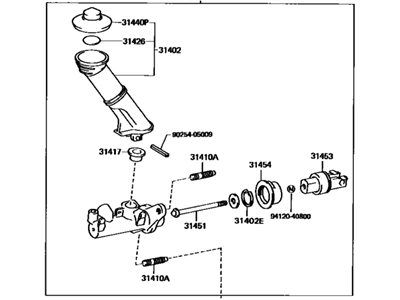
Toyota Supra Clutch Master Cylinder Assembly
Part Number: 31410-14310$154.19 MSRP: $219.22You Save: $65.03 (30%)Ships in 1-3 Business Days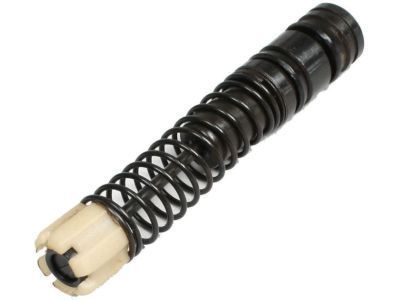
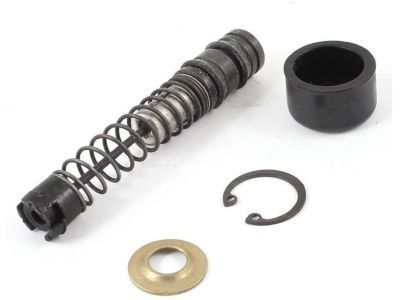
Toyota Supra Clutch Master Cylinder Repair Kit
Part Number: 04311-12080$48.54 MSRP: $67.85You Save: $19.31 (29%)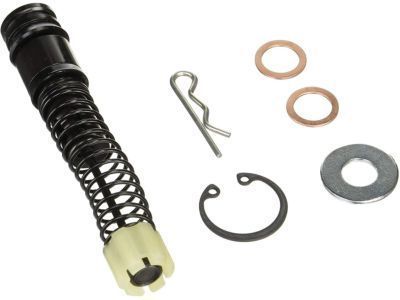
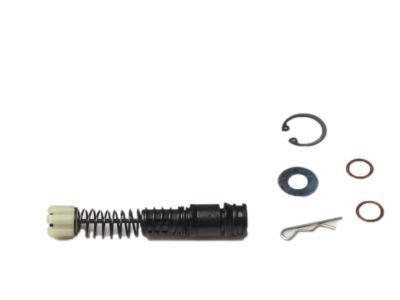
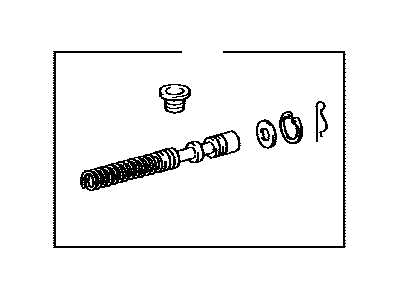
Toyota Supra Clutch Master Cylinder Repair Kit
Part Number: 04311-22050$57.23 MSRP: $79.99You Save: $22.76 (29%)Ships in 1-3 Business Days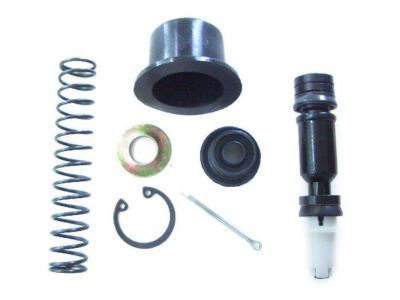
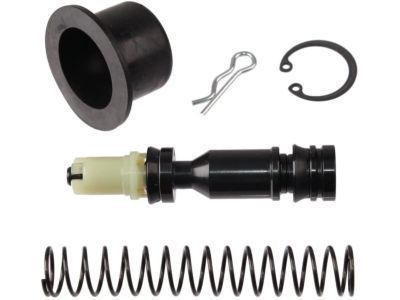
Toyota Supra Clutch Master Cylinder Kit
Part Number: 04311-12060$48.54 MSRP: $67.85You Save: $19.31 (29%)Ships in 1-3 Business Days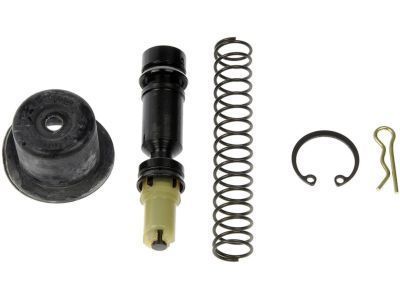
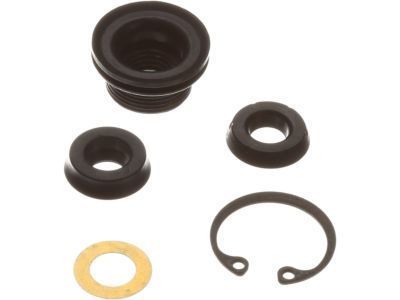
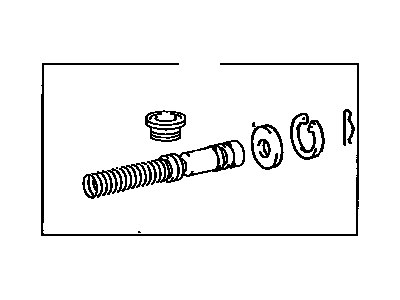
Toyota Supra Cylinder Kit, Clutch Master
Part Number: 04311-60150$42.47 MSRP: $59.36You Save: $16.89 (29%)Ships in 1-3 Business Days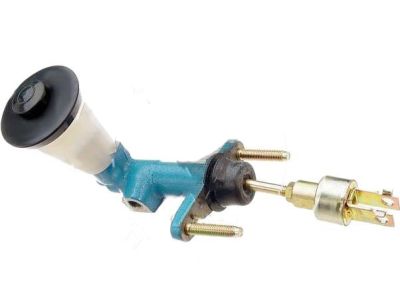
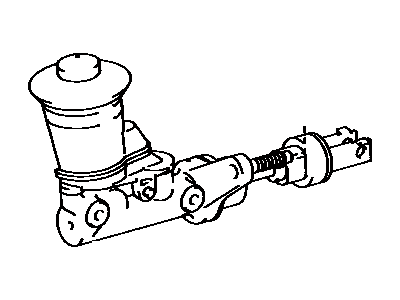
Toyota Supra Clutch Master Cylinder Assembly
Part Number: 31410-14200$1315.89 MSRP: $1964.81You Save: $648.92 (34%)Ships in 1-3 Business Days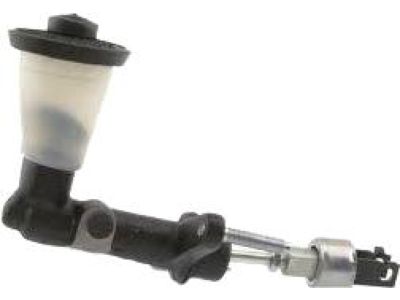
Toyota Supra Clutch Master Cylinder Assembly
Part Number: 31410-14202$1315.89 MSRP: $1964.81You Save: $648.92 (34%)Ships in 1-3 Business Days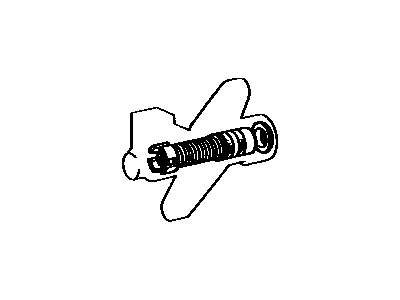
Toyota Supra Cylinder Kit, Clutch Master
Part Number: 04311-14012$63.94 MSRP: $90.14You Save: $26.20 (30%)Ships in 1-3 Business DaysToyota Supra Clutch Master Cylinder Repair Kit
Part Number: 04311-14020$63.94 MSRP: $90.14You Save: $26.20 (30%)Ships in 1-3 Business DaysToyota Supra Clutch Master Cylinder Assembly
Part Number: 31410-14190$67.06 MSRP: $94.53You Save: $27.47 (30%)Ships in 1-3 Business DaysToyota Supra Clutch Master Cylinder Repair Kit
Part Number: 04311-14040$57.23 MSRP: $79.99You Save: $22.76 (29%)Ships in 1-3 Business DaysToyota Supra Cylinder Kit, Clutch Master
Part Number: 04311-14041$57.23 MSRP: $79.99You Save: $22.76 (29%)Ships in 1-3 Business Days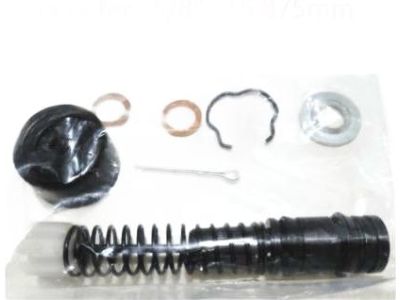
Toyota Supra Cylinder Kit, Clutch Master
Part Number: 04311-14011$63.94 MSRP: $90.14You Save: $26.20 (30%)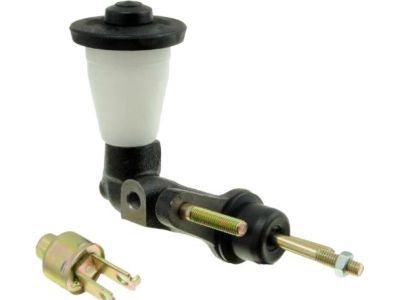
Toyota Supra Clutch Master Cylinder Assembly
Part Number: 31410-14192$1315.89 MSRP: $1964.81You Save: $648.92 (34%)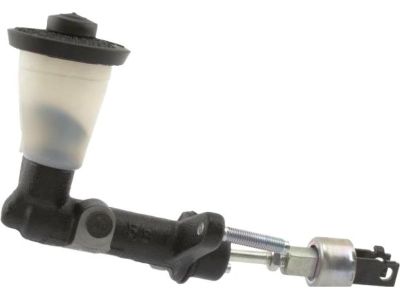
Toyota Supra Clutch Master Cylinder Assembly
Part Number: 31410-14201$1315.89 MSRP: $1964.81You Save: $648.92 (34%)Toyota Supra Clutch Master Cylinder Assembly
Part Number: 31410-14191$41.09 MSRP: $58.03You Save: $16.94 (30%)Toyota Supra Clutch Master Cylinder Assembly
Part Number: 31410-14193$1315.89 MSRP: $1964.81You Save: $648.92 (34%)
Toyota Supra Clutch Master Cylinder
Clutch Master Cylinder is another portion found in Toyota Supra cars that is used to produce power or hydraulically pressurized power when the clutch pedal of car is depressed. This component translates foot force to hydraulic pressure which in turn pulls the slave cylinder to disengage the clutch from the flywheel. Some of the symptoms related with a defective clutch master cylinder are soft clutch pedal, clutch fluid leakage and clutch hard to shift. This can be attributed to worn seals which result into intrusion of air into the system and this impacts on the feel of the pedal. Keeping the Clutch Master Cylinder in good working condition is very vital for the proper working of the transmission in any Toyota Supra car.
If you are in demand for superior quality and affordable OEM Toyota Supra Clutch Master Cylinder, then shop with us! We own a wide range of the reduced-priced genuine Toyota Supra Clutch Master Cylinder. You can purchase in confidence as all parts come with a manufacturer's warranty. Any issues with our products? No need to worry as we have a hassle-free return policy to guide you every step of the way.
Toyota Supra Clutch Master Cylinder Parts Questions & Experts Answers
- Q:How to remove and install a clutch master cylinder on Toyota Supra?A:Before beginning this procedure, contact local parts stores and dealers concerning the purchase of a rebuild kit or a new master cylinder. The availability and cost of the necessary parts may dictate whether the cylinder is rebuilt or replaced with a new one. If it is decided to rebuild the cylinder, follow the instructions contained in the rebuild kit. To remove the clutch master cylinder, start by removing the undercover from the dash panel to gain access to the top of the clutch pedal. Then, working under the dash panel, disconnect the pushrod for the top of the clutch pedal, which is held in place with a clevis pin. Next, disconnect the hydraulic line at the clutch master cylinder and seal the end to prevent the entry of dirt and loss of fluid. The master cylinder is located on the firewall, just to the right of the brake master cylinder. Use a flare nut wrench on the fitting to prevent rounding it off. Have rags handy as some fluid will be lost as the line is removed. After that, remove the two nuts that secure the master cylinder to the engine firewall. One nut is in the engine compartment and the other is inside the vehicle above the clutch pedal. Carefully remove the master cylinder, being cautious not to spill any fluid. To install the new master cylinder, position it on the firewall and install the two mounting nuts finger tight. Connect the hydraulic line to the master cylinder, making sure not to cross thread the fitting. Then, tighten the two mounting nuts. Inside the vehicle, connect the pushrod to the clutch pedal and install the undercover. Finally, fill the clutch master cylinder reservoir with brake fluid conforming to DOT 3 specifications and bleed the clutch system.
Related Toyota Supra Parts
 Toyota Supra Release Bearing
 Toyota Supra Clutch Fork
 Toyota Supra Pilot Bearing
 Toyota Supra Pressure Plate
 Toyota Supra Clutch Slave Cylinder
 Toyota Supra Clutch Disc
 Toyota Supra Clutch Slave Repair Kit
 Toyota Supra Clutch Master Repair Kit
 Toyota Supra Clutch Pedal
Browse by Year
1998 Clutch Master Cylinder 1997 Clutch Master Cylinder 1996 Clutch Master Cylinder 1995 Clutch Master Cylinder 1994 Clutch Master Cylinder 1993 Clutch Master Cylinder 1992 Clutch Master Cylinder 1991 Clutch Master Cylinder 1990 Clutch Master Cylinder 1989 Clutch Master Cylinder 1988 Clutch Master Cylinder 1987 Clutch Master Cylinder 1986 Clutch Master Cylinder