My Garage
My Account
Cart
Genuine Toyota T100 Differential Seal
- Select Vehicle by Model
- Select Vehicle by VIN
Select Vehicle by Model
orMake
Model
Year
Select Vehicle by VIN
For the most accurate results, select vehicle by your VIN (Vehicle Identification Number).
6 Differential Seals found
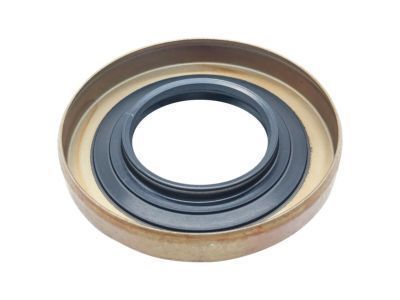
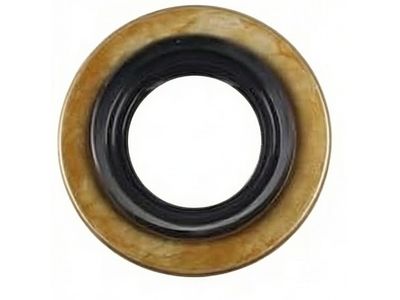
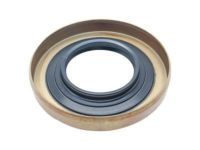
Toyota T100 Type T Oil Seal
Part Number: 90311-38047$9.15 MSRP: $12.79You Save: $3.64 (29%)Ships in 1-3 Business Days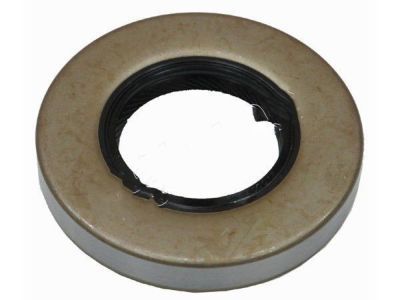
Toyota T100 Type T Oil Seal
Part Number: 90311-38134$9.15 MSRP: $12.79You Save: $3.64 (29%)Ships in 1-3 Business Days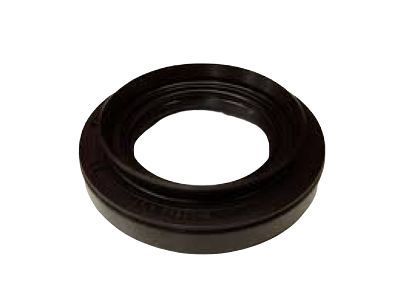
Toyota T100 Oil Seal
Part Number: 90311-44007$20.69 MSRP: $28.93You Save: $8.24 (29%)Ships in 1-2 Business Days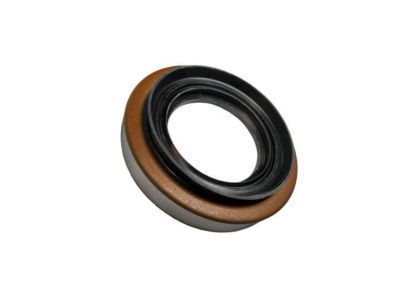
Toyota T100 Oil Seal
Part Number: 90311-44006$20.69 MSRP: $28.93You Save: $8.24 (29%)Ships in 1-2 Business Days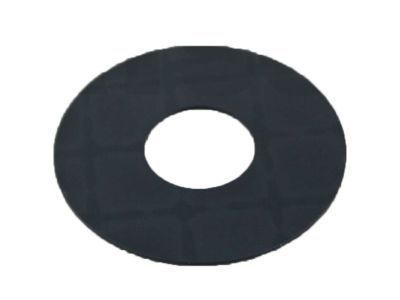
Toyota T100 Slinger, Rear Differential Drive Pinion Oil
Part Number: 41214-35020$8.44 MSRP: $11.79You Save: $3.35 (29%)Ships in 1-3 Business Days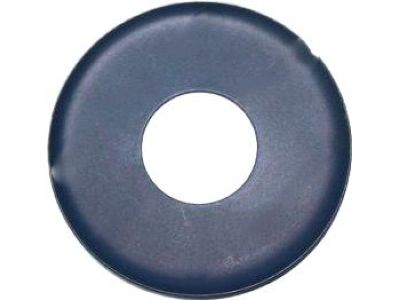
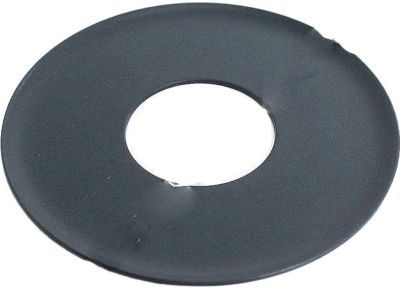
Toyota T100 Drive Pinion Oil Slinger
Part Number: 41214-30021$19.14 MSRP: $26.75You Save: $7.61 (29%)
Toyota T100 Differential Seal
The Differential Seal of the Toyota T100 protects the axle gears of the truck by keeping the gear oil locked inside the differential and sealing out water, dirt, dust, and road grime. Constructed with a durable synthetic rubber material selected by Toyota because of its resistance to heat and pressure, each Differential Seal forms a tight ring around the pinion or axle shaft to contain 75W-90 lubricant. Simultaneously, the Differential Seal prevents abrasive particles from entering the housing, a simple barrier that prevents premature wear of the gears and bearings. In the course of their lives, the T100 models had both open and limited slip differentials, but the sealing did not change. This is because whether even torque is shared or the LSD shifts power to the tire with more grip, the shafts cross the housing in either case. Thus, this needs a dependable Differential Seal. The front axle and rear axle, as well as on four-wheel drives, the central unit all use the same rubber lip principle, while a new Differential Seal can be pushed into place without stripping the axle, saving time and extra strain on components. Regular inspections every 3,000 miles, quick topping up of fluids, and prompt changing of seals as soon as leaks appear help save Toyota T100 owners from nasty gear noises, which could cost hundreds to repair.
If you are in demand for superior quality and affordable OEM Toyota T100 Differential Seal, then shop with us! We own a wide range of the reduced-priced genuine Toyota T100 Differential Seal. You can purchase in confidence as all parts come with a manufacturer's warranty. Any issues with our products? No need to worry as we have a hassle-free return policy to guide you every step of the way.
Toyota T100 Differential Seal Parts Questions & Experts Answers
- Q:How to replace the front differential seal on Toyota T100?Posted by Muhinul H.A:This procedure applies to the rear pinion seal on all vehicles and the front pinion seal on 4WD models. Begin by loosening the rear wheel lug nuts, raising the rear of the vehicle, and securely supporting it on jackstands while blocking the front wheels to prevent rolling. Remove the wheels for a more accurate pinion shaft preload reading. Disconnect the driveshaft from the Differential and fasten it out of the way. Use an inch-pound torque wrench to check the torque required to rotate the pinion and record it. Scribe or punch alignment marks on the pinion shaft, nut, and flange, and count the number of threads visible between the end of the nut and the end of the pinion shaft for later reference. A special flange-holding tool is recommended to keep the companion flange from moving while loosening the pinion nut; if unavailable, immobilize the flange with a large screwdriver wedged against a bracket or reinforcement rib. Remove the pinion nut and withdraw the companion flange, using a puller if necessary, without prying or hammering on the pinion shaft. Pry out the old seal and discard it, then lubricate the lips of the new seal with high-temperature grease and tap it evenly into position, ensuring it enters squarely and to full depth. Align the mating marks made before disassembly and install the companion flange, tightening the pinion nut as needed to draw the flange into place without hammering. Apply non-hardening sealant to the ends of the splines visible in the center of the flange, then install the washer and pinion nut, tightening it carefully until the original number of threads are exposed. Measure the torque required to rotate the pinion and tighten the nut in small increments until it matches the previously recorded figure, compensating for the drag of the new oil seal by tightening slightly more, but not exceeding 5 in-lbs. Finally, connect the driveshaft, install the wheels, lower the vehicle, and tighten the lug nuts.Answered by Toyota Parts Specialist Bruce / Apr 28, 2023