

My Garage
My Account
Cart
Genuine Toyota Tundra Camshaft
Cam- Select Vehicle by Model
- Select Vehicle by VIN
Select Vehicle by Model
orMake
Model
Year
Select Vehicle by VIN
For the most accurate results, select vehicle by your VIN (Vehicle Identification Number).
40 Camshafts found
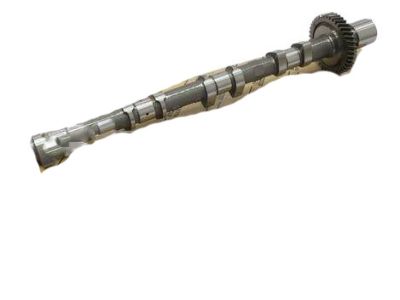
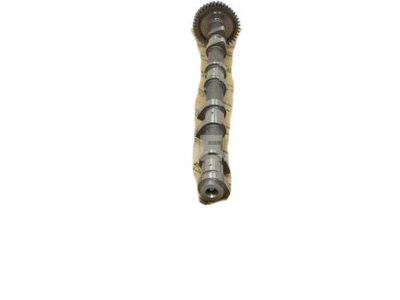
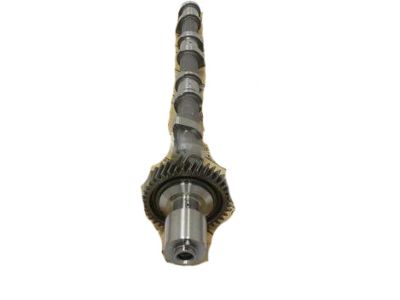
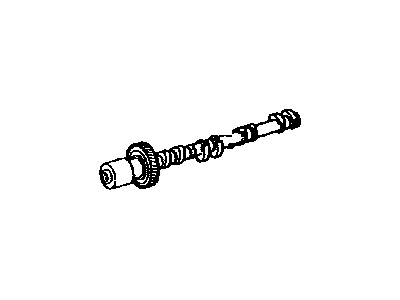
Toyota Tundra Camshaft
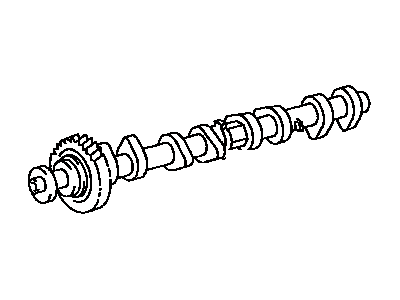
Part Number: 13501-50050$494.83 MSRP: $738.18You Save: $243.35 (33%)Ships in 1-3 Business Days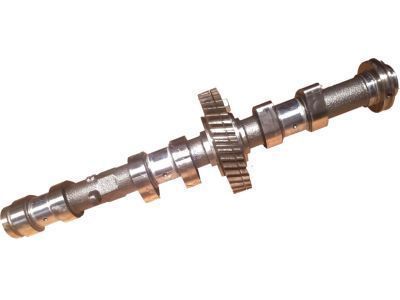
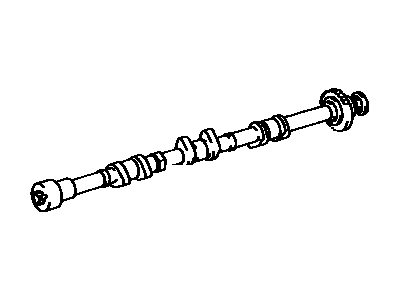
Toyota Tundra Camshaft Sub-Assembly
Part Number: 13054-62030$235.24 MSRP: $337.31You Save: $102.07 (31%)Ships in 1-3 Business Days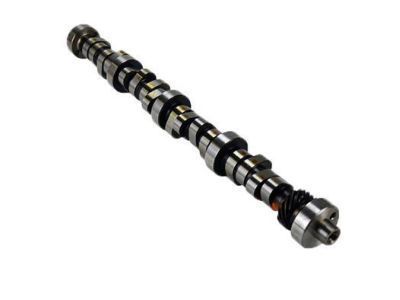
Toyota Tundra Camshaft
Part Number: 13501-31040$537.83 MSRP: $803.06You Save: $265.23 (34%)Ships in 1-3 Business Days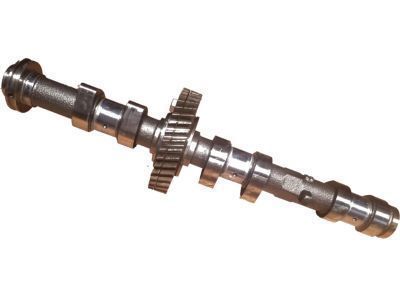
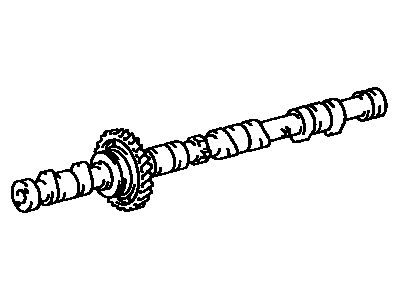
Toyota Tundra Camshaft
Part Number: 13502-62030$235.24 MSRP: $337.31You Save: $102.07 (31%)Ships in 1-3 Business Days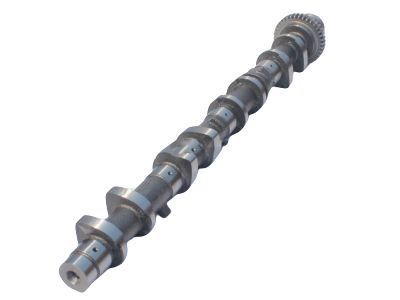
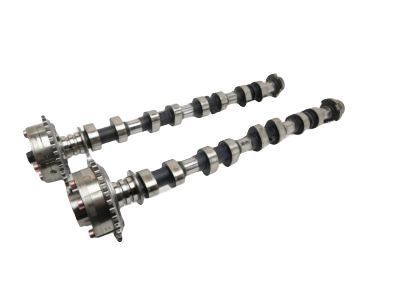
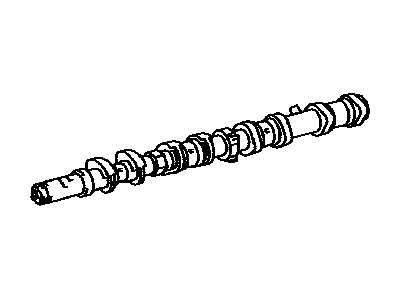
Toyota Tundra N Camshaft Sub-Assembly
Part Number: 13053-31090$482.34 MSRP: $719.55You Save: $237.21 (33%)Ships in 1-3 Business Days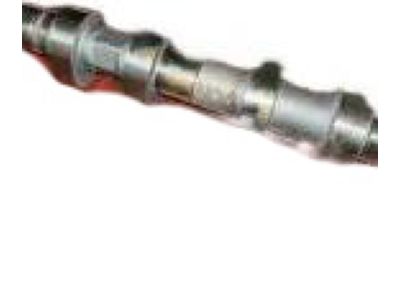
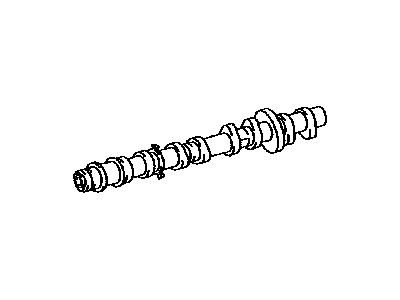
Toyota Tundra Camshaft Sub-Assembly
Part Number: 13053-38010$393.81 MSRP: $587.48You Save: $193.67 (33%)Ships in 1-3 Business Days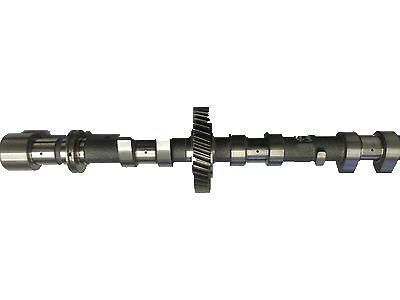
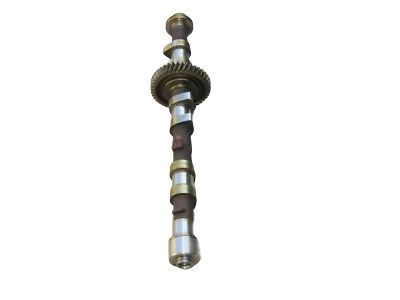
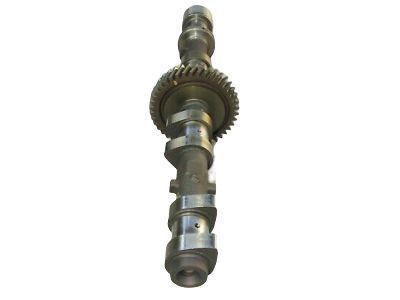
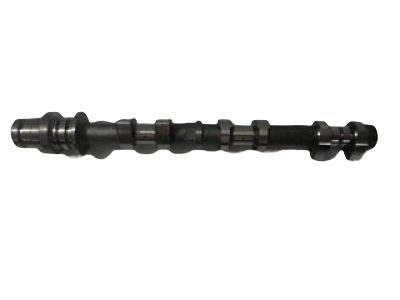
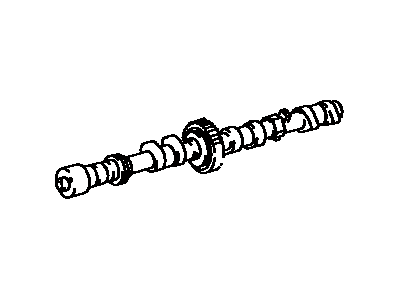
Toyota Tundra Camshaft Sub-Assembly
Part Number: 13053-62050$342.07 MSRP: $490.51You Save: $148.44 (31%)Ships in 1-3 Business Days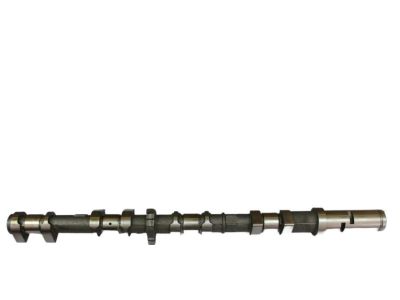
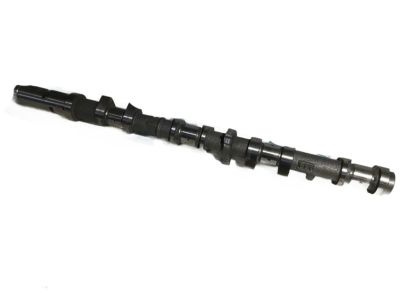
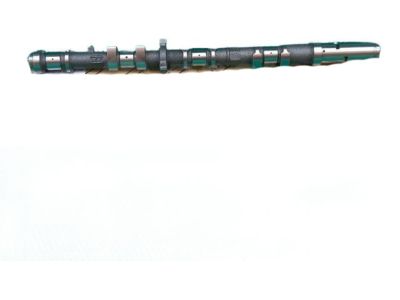
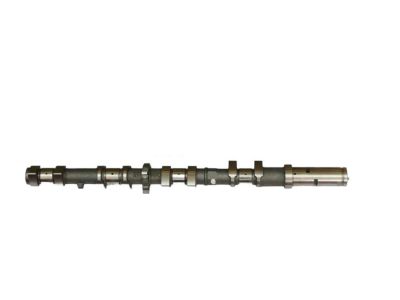
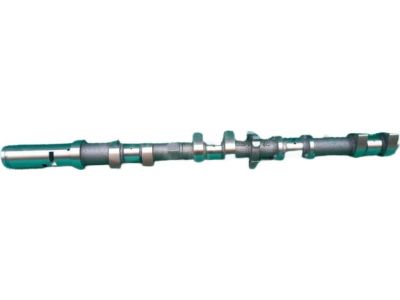
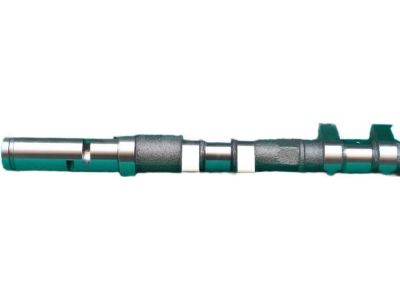
Toyota Tundra Camshaft
Part Number: 13501-0F020$436.40 MSRP: $651.02You Save: $214.62 (33%)Ships in 1-3 Business Days
Toyota Tundra Camshaft
Part Number: 13502-38010$393.81 MSRP: $587.48You Save: $193.67 (33%)Ships in 1-3 Business Days
Toyota Tundra Camshaft
Part Number: 13502-31010$545.96 MSRP: $815.19You Save: $269.23 (34%)Ships in 1-3 Business Days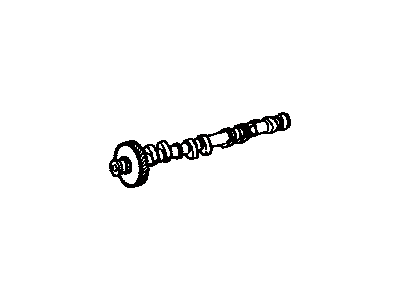
Toyota Tundra Camshaft Sub-Assembly
Part Number: 13054-31010$545.96 MSRP: $815.19You Save: $269.23 (34%)Ships in 1-3 Business Days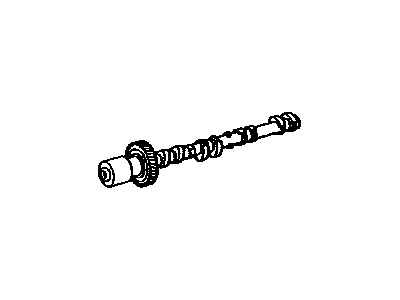
Toyota Tundra Camshaft Sub-Assembly
Part Number: 13053-31010$545.96 MSRP: $815.19You Save: $269.23 (34%)Ships in 1-3 Business DaysToyota Tundra Camshaft Sub-Assembly
Part Number: 13053-0S010$393.81 MSRP: $587.48You Save: $193.67 (33%)Ships in 1-3 Business Days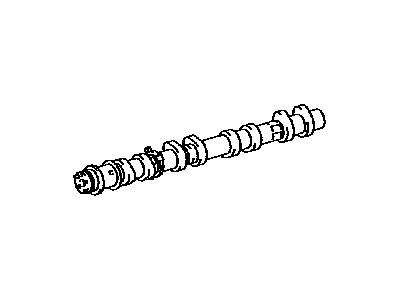
Toyota Tundra Camshaft Sub-Assembly
Part Number: 13054-38010$387.90 MSRP: $578.66You Save: $190.76 (33%)Ships in 1-3 Business Days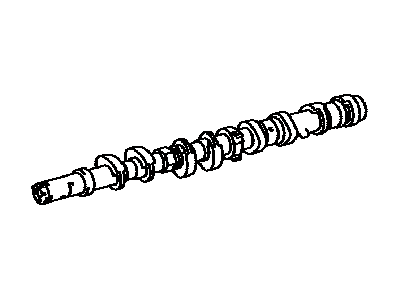
Toyota Tundra Camshaft
Part Number: 13501-0S010$416.55 MSRP: $621.41You Save: $204.86 (33%)Ships in 1-3 Business Days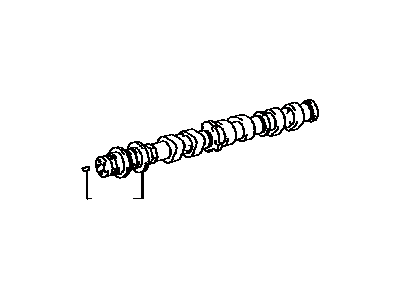
Toyota Tundra N Camshaft Sub-Assembly
Part Number: 13054-31090$489.59 MSRP: $730.36You Save: $240.77 (33%)Ships in 1-3 Business Days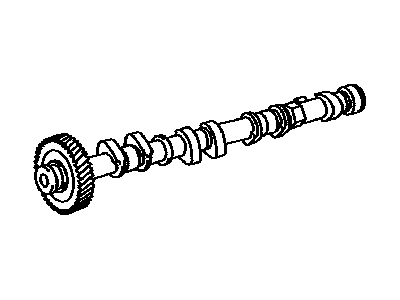
Toyota Tundra Camshaft
Part Number: 13502-0S010$393.81 MSRP: $587.48You Save: $193.67 (33%)Ships in 1-3 Business DaysToyota Tundra Camshaft Sub-Assembly
Part Number: 13054-0S010$387.90 MSRP: $578.66You Save: $190.76 (33%)Ships in 1-3 Business Days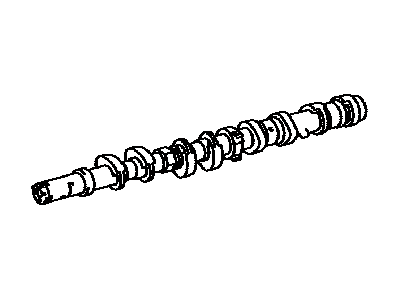
Toyota Tundra Camshaft
Part Number: 13501-38010$416.55 MSRP: $621.41You Save: $204.86 (33%)Ships in 1-3 Business Days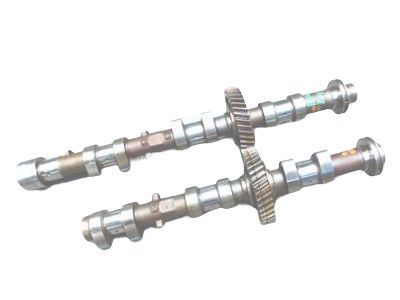
| Page 1 of 2 |Next >
1-20 of 40 Results
Toyota Tundra Camshaft
The Camshaft in the Toyota Tundra controls the timing of the intake and exhaust valves so that every cylinder can take air-fuel mixture and expel gases at the right time in the four-stroke cycle. The crankshaft drives the Toyota Camshaft through a timing chain, gears, or belt at half crankshaft speed in a four-stroke engine to ensure that the valve action is aptly coordinated with the piston action. Correct lubrication of the Camshaft prevents lobe or journal wear. A broken Camshaft will interfere with valve timing that may damage pistons and valves. The production units of Toyota are mainly iron castings supported on journals which have lobes that press on either lifters, followers, or buckets. In overhead valve arrangements, a single Camshaft may be mounted in the cylinder block depending upon the engine layout. SOHC designs may use one overhead cam for each bank. DOHC designs offer two overhead cams, allowing for separate control over intake and exhaust. Regardless of placement, the Toyota component must remain precisely timed and free of wear to ensure Tundra combustion, Tundra power delivery, and consistent Tundra efficiency while protecting other engine components.
If you are in demand for superior quality and affordable OEM Toyota Tundra Camshaft, then shop with us! We own a wide range of the reduced-priced genuine Toyota Tundra Camshaft. You can purchase in confidence as all parts come with a manufacturer's warranty. Any issues with our products? No need to worry as we have a hassle-free return policy to guide you every step of the way.
Toyota Tundra Camshaft Parts Questions & Experts Answers
- Q:What are the steps involved in the removal and installation of camshafts in the cylinder heads in 4.7L engine on Toyota Tundra?A:Before performing this procedure get two 6 x 1.0 mm bolts 16 to 20 mm long which are commonly referred to as service bolts. It is recommended to begin with the removal of the valve covers and measuring the lift of the valves and clearance before removing the Timing Belt. If cylinder head work that includes the valves is expected to be carried out, do not measure the clearances at this point. It should be noted that the crankshaft of the specimen must be placed at the angle of 45 degrees TTDC. Next, extract the cam sprockets and the camshaft position sensor out of the engine compartment. For the removal of the camshafts on each cylinder head, firstly locate the right bank cylinder head and make sure that the exhaust camshaft sub-gear is fixed to the driven gear by a service bolt and turn the camshafts in such a manner such that it is in a position that is set approximately 10 degree from the initial position. Position the cam at the top with the two key holes aligned vertically and bring the cam out to contact the drive and driven gears; timing mark on the right side cylinder head should be at an upward 10 degree angle. Turn the camshaft bearing cap bolts by 1/4 turn until they can be undone by hand, in the reverse of the sequence applied. The bearing caps, oil feed pipe and camshafts must be unbolted, lifted using the fingers and placed on a bench with the patented shape end up to reduce the chances of damaging them. The same is done for the left bank cylinder head and the gears are set by camshaft provided that they are not set at a 10 deg angle. Carefully mark each bolt so that you will be able to have them correctly aligned when assembling the bearing caps back again. If necessary, lifters and shims should be removed with a magnetic tool and placed in another place. Screw the hex bolt and remove the timing tube assembly; you also have to release the screw plug, along with its sealing washer while the intake camshaft must be mounted on a vise. To get to the exhaust camshaft, it is possible to eliminate the drive gear from the timing tube assembly which is screwed on four bolts. According to the manual, to disassemble an exhaust camshaft gear, place the cam in a vise and the use the pin spanner to turn the sub-gear clockwise so as to remove the service bolt and the snap ring. The wave washer, sub-gear and camshaft gear spring can then be successfully withdrawn. For installation, use new camshaft plugs in the cylinder head with a little amount of the RTV sealant, new oil seal should be fitted and the drive gear mated to the timing tube. To put the exhaust camshaft gear back in, place all the necessary parts and cover the lifters with grease or engine assembly lube before putting them back in their correct positions. Using a light grade of oil, oil the cam lobes, bearing journals, and tooth faces of the gear, arrange the intake and exhaust camshafts with the timing surfaces set at 10 degrees for the right bank and the same for the left bank. Place RTV sealant on the bearing cap interface componants while the engine is upright, install the bearing caps sequentially, and torque the bolts to 90 degrees in a star pattern. For the service bolt of the exhaust cam gear, remove it and replace the new camshaft oil seal on both the cylinder heads. Replace the timing belt and inspect the valve outcomes; the other parts should also be reinstalled in the reverse manner. Before replacing the valve covers, apply RTV sealant on the surfaces to be connected, and finally replace the cooling system. Then, start the engine and look for evidence of leakage or Signs that the motor is running in the right manner.
Related Toyota Tundra Parts
 Toyota Tundra Cylinder Head Bolts
 Toyota Tundra Cylinder Head Gasket
 Toyota Tundra Timing Cover
 Toyota Tundra Crankshaft Pulley
 Toyota Tundra Cam Gear
 Toyota Tundra Cylinder Head
 Toyota Tundra Crankshaft Gear
 Toyota Tundra Spool Valve
 Toyota Tundra Rocker Arm
Browse by Year
2024 Camshaft 2023 Camshaft 2022 Camshaft 2021 Camshaft 2020 Camshaft 2019 Camshaft 2018 Camshaft 2017 Camshaft 2016 Camshaft 2015 Camshaft 2014 Camshaft 2013 Camshaft 2012 Camshaft 2011 Camshaft 2010 Camshaft 2009 Camshaft 2008 Camshaft 2007 Camshaft 2006 Camshaft 2005 Camshaft 2004 Camshaft 2003 Camshaft 2002 Camshaft 2001 Camshaft 2000 Camshaft