

My Garage
My Account
Cart
Genuine Toyota Celica Valve Stem Seal
Engine Valve Seal- Select Vehicle by Model
- Select Vehicle by VIN
Select Vehicle by Model
orMake
Model
Year
Select Vehicle by VIN
For the most accurate results, select vehicle by your VIN (Vehicle Identification Number).
17 Valve Stem Seals found
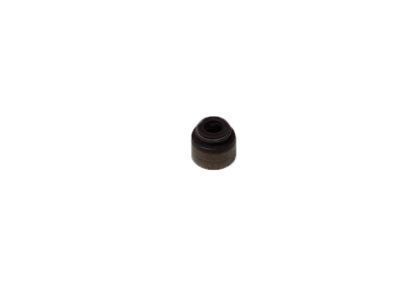
Toyota Celica Valve Stem Oil Seal
Part Number: 90913-02101$10.22 MSRP: $14.29You Save: $4.07 (29%)Ships in 1-3 Business Days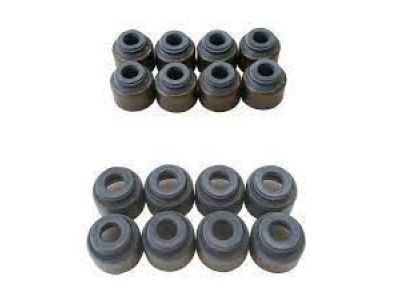

Toyota Celica O Seal or Ring
Part Number: 90913-02090$7.84 MSRP: $10.96You Save: $3.12 (29%)Ships in 1 Business Day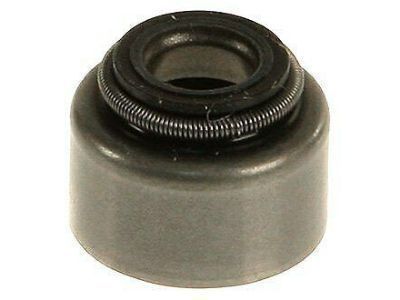

Toyota Celica O Seal or Ring
Part Number: 90913-02089$7.84 MSRP: $10.96You Save: $3.12 (29%)Ships in 1-3 Business Days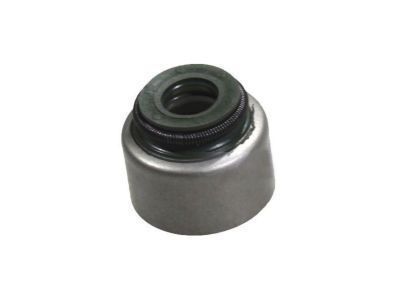
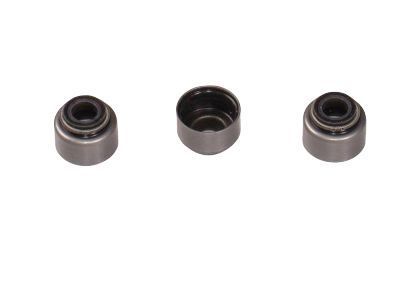

Toyota Celica O Seal or Ring
Part Number: 90913-02088$7.84 MSRP: $10.96You Save: $3.12 (29%)Ships in 1-2 Business Days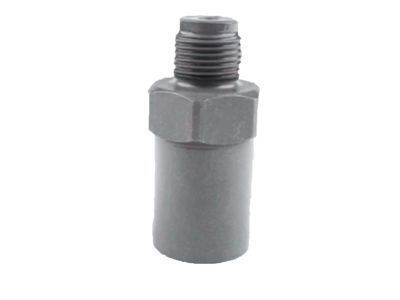
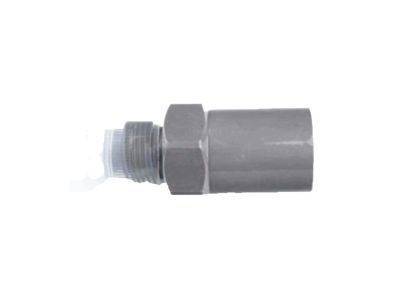
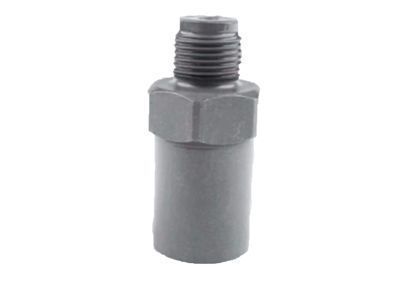
Toyota Celica O Seal or Ring
Part Number: 90913-02111$12.84 MSRP: $17.95You Save: $5.11 (29%)Ships in 1 Business Day
Toyota Celica O Seal or Ring
Part Number: 90913-02066$10.94 MSRP: $15.29You Save: $4.35 (29%)Ships in 1-3 Business Days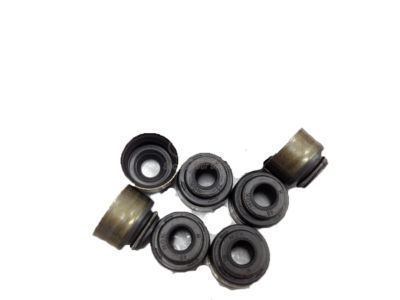
Toyota Celica O Seal or Ring
Part Number: 90913-02062$12.84 MSRP: $17.95You Save: $5.11 (29%)Ships in 1-2 Business Days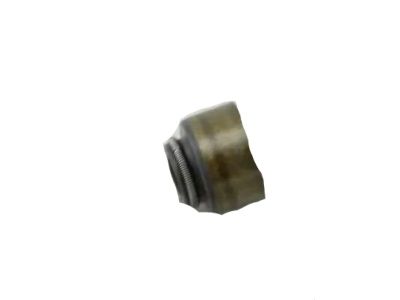
Toyota Celica O Seal or Ring
Part Number: 90913-02114$12.36 MSRP: $17.29You Save: $4.93 (29%)Ships in 1-3 Business Days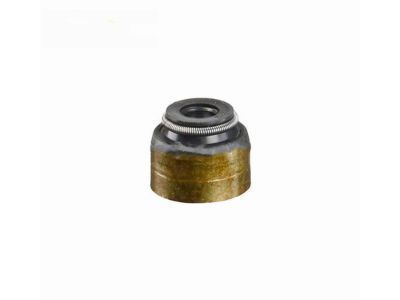
Toyota Celica O Seal or Ring
Part Number: 90913-02085$12.25 MSRP: $17.12You Save: $4.87 (29%)Ships in 1-3 Business Days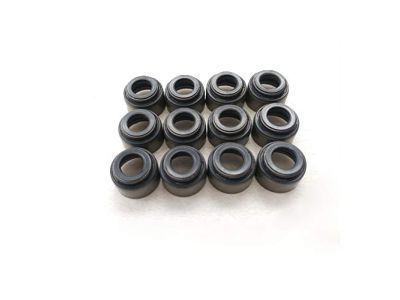
Toyota Celica O Seal or Ring
Part Number: 90913-02053$12.84 MSRP: $17.95You Save: $5.11 (29%)Ships in 1 Business Day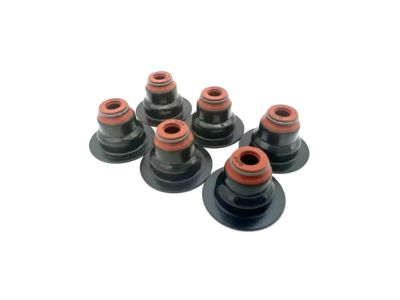
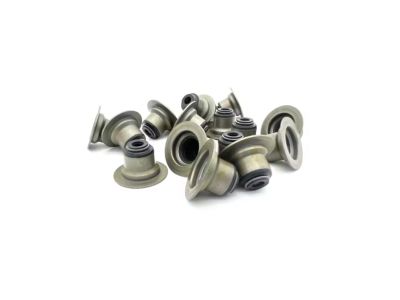
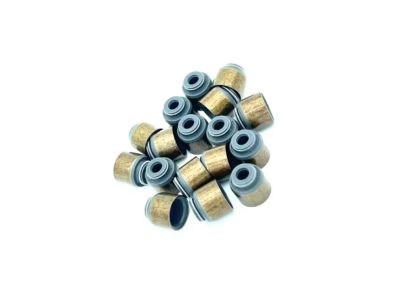
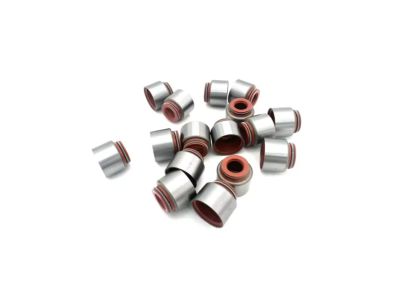

Toyota Celica O Seal or Ring
Part Number: 90913-02015$11.31 MSRP: $15.80You Save: $4.49 (29%)Ships in 1-3 Business Days
Toyota Celica O Seal or Ring
Part Number: 90913-02115$12.36 MSRP: $17.29You Save: $4.93 (29%)Ships in 1-3 Business Days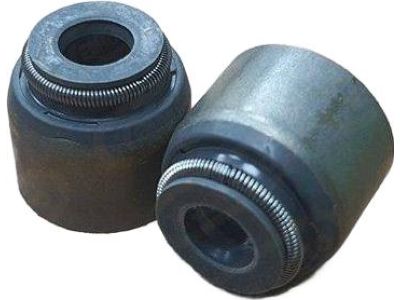
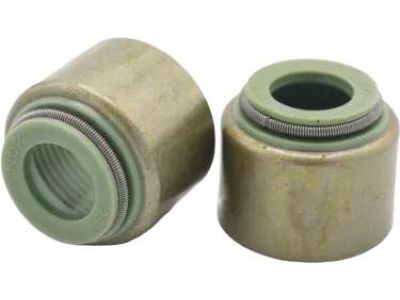
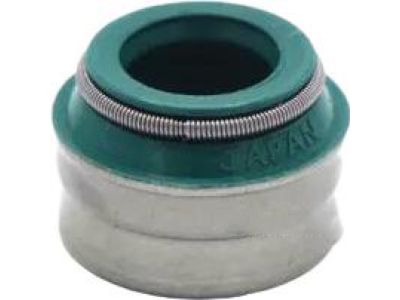
Toyota Celica O Seal or Ring
Part Number: 90913-02057$12.84 MSRP: $17.95You Save: $5.11 (29%)Ships in 1-3 Business Days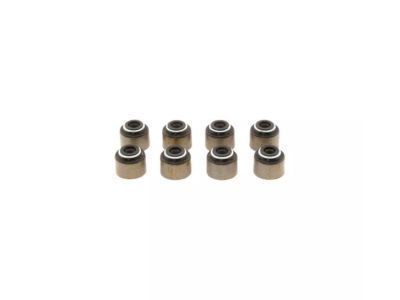
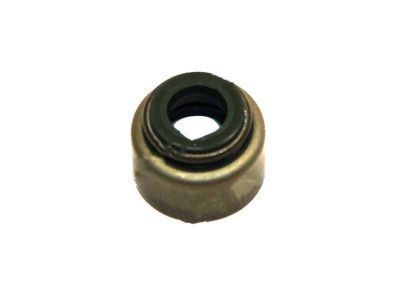
Toyota Celica O Seal or Ring
Part Number: 90913-02104$12.60 MSRP: $17.61You Save: $5.01 (29%)Ships in 1-3 Business Days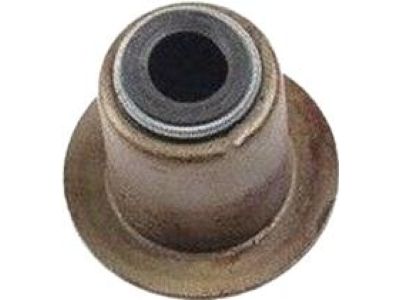
Toyota Celica O Seal or Ring
Part Number: 90913-02022$12.91 MSRP: $18.04You Save: $5.13 (29%)Ships in 1-3 Business DaysToyota Celica O Seal or Ring
Part Number: 90913-02024$12.84 MSRP: $17.95You Save: $5.11 (29%)Ships in 1-3 Business Days
Toyota Celica O Seal or Ring
Part Number: 90913-02023$12.84 MSRP: $17.95You Save: $5.11 (29%)Ships in 1-3 Business Days
Toyota Celica Valve Stem Seal
The Toyota Celica Valve Stem Seal ensures a tight oil barrier around each valve stem, preventing the lubricant from leaking into the cylinders while enabling the valve to slide freely with no drag. In a Toyota engine, when the intake or exhaust valve opens, the Valve Stem Seal must hold back pressurized oil. This is so only the clean air fuel mixture enters the engine through the valve and only burnt gases escape through the valve. This preserves engine power and reduces the potential for the formation of deposits in the engine intake system. Through the years, the overhead cam configurations of every Celica applied a positive-sealing rubber and metal Valve Stem Seal whether the head has a single or a twin cam. That's because it is more about oil control than cam position that determines lash and spring tension. Engines that have weak springs or widened clearances are more likely to experience hotter valves. In addition, if oil manages to sneak past a worn Valve Stem Seal, the added carbon can worsen overheating that can burn a valve. To ensure performance, save oil, and curb costly damage, Toyota drivers rely on this small component, the Valve Stem Seal, which is a quiet but effective guardian in any Celica powerplant.
If you are in demand for superior quality and affordable OEM Toyota Celica Valve Stem Seal, then shop with us! We own a wide range of the reduced-priced genuine Toyota Celica Valve Stem Seal. You can purchase in confidence as all parts come with a manufacturer's warranty. Any issues with our products? No need to worry as we have a hassle-free return policy to guide you every step of the way.
Toyota Celica Valve Stem Seal Parts Questions & Experts Answers
- Q:How can broken valve springs and defective valve stem seals be replaced without removing the cylinder head on Toyota Celica?A:Broken valve springs and defective valve stem seals can be replaced without removing the cylinder head, typically requiring two special tools and a compressed air source. If compressed air isn't available, a length of nylon rope can be used to prevent the valves from falling into the cylinder. Begin by removing the Camshaft and camshaft housing, then the spark plug from the affected cylinder, or all spark plugs if replacing all valve stem seals. Turn the crankshaft until the piston in the affected cylinder is at Top Dead Center on the compression stroke, working on one cylinder at a time following the firing order. Thread an adapter into the spark plug hole and connect an air hose from a compressed air source. Apply compressed air to the cylinder, ensuring the piston does not move unexpectedly. The air pressure will hold the valves in place. If using nylon rope, position the piston just before TDC, fill the combustion chamber with rope, and leave the end hanging out for easy removal. Rotate the crankshaft until slight resistance is felt, then stuff shop rags into the cylinder head holes to prevent parts from falling in. Use a valve spring compressor to compress the spring, remove the keepers, and then take out the spring retainer, valve spring, and stem oil seal. If air pressure fails to hold the valve closed, the cylinder head may need to be removed for further repairs. Wrap a rubber band or tape around the valve stem to prevent it from falling, then release the air pressure. Inspect the valve stem for damage and ensure it moves freely in the guide. Reapply air pressure to retain the valve in the closed position, lubricate the valve stem with engine oil, and install a new oil seal. Position the spring over the valve, ensuring the closely wound coils are next to the head, then install the valve spring retainer and carefully position the keepers. Remove pressure from the spring tool and ensure the keepers are seated. Disconnect the air hose, remove the adapter, and reinstall the camshaft and housing. Finally, install the spark plug(s), reconnect the wire(s), start the engine, and check for oil leaks and unusual sounds from the valve cover area.
Related Toyota Celica Parts
 Toyota Celica Spark Plug
 Toyota Celica Oil Filter
 Toyota Celica Drive Belt
 Toyota Celica Thermostat
 Toyota Celica Air Filter
 Toyota Celica Alternator
 Toyota Celica Fuel Pump
 Toyota Celica Water Pump
 Toyota Celica Intake Manifold Gasket
 Toyota Celica Dipstick
 Toyota Celica Power Steering Hose
 Toyota Celica Air Duct
Browse by Year
2005 Valve Stem Seal 2004 Valve Stem Seal 2003 Valve Stem Seal 2002 Valve Stem Seal 2001 Valve Stem Seal 2000 Valve Stem Seal 1999 Valve Stem Seal 1998 Valve Stem Seal 1997 Valve Stem Seal 1996 Valve Stem Seal 1995 Valve Stem Seal 1994 Valve Stem Seal 1993 Valve Stem Seal 1992 Valve Stem Seal 1991 Valve Stem Seal 1990 Valve Stem Seal 1989 Valve Stem Seal 1988 Valve Stem Seal 1987 Valve Stem Seal 1986 Valve Stem Seal 1985 Valve Stem Seal 1984 Valve Stem Seal 1983 Valve Stem Seal 1982 Valve Stem Seal 1981 Valve Stem Seal 1980 Valve Stem Seal 1979 Valve Stem Seal 1978 Valve Stem Seal