

My Garage
My Account
Cart
Genuine Toyota RAV4 Brake Line
Brake Hose- Select Vehicle by Model
- Select Vehicle by VIN
Select Vehicle by Model
orMake
Model
Year
Select Vehicle by VIN
For the most accurate results, select vehicle by your VIN (Vehicle Identification Number).
140 Brake Lines found
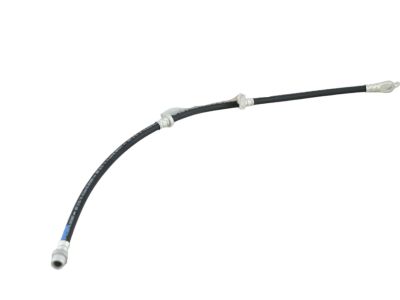
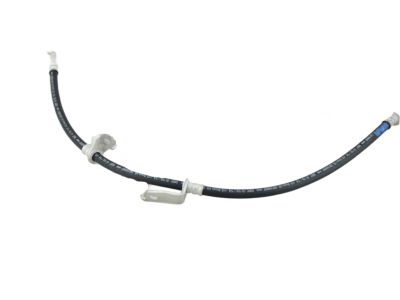
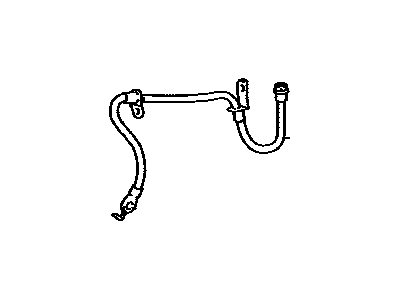
Toyota RAV4 Flexible Hose
Part Number: 90947-02F49$116.81 MSRP: $164.66You Save: $47.85 (30%)Ships in 1-3 Business Days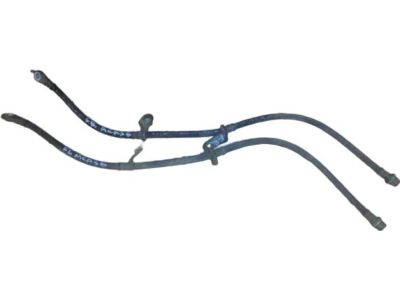
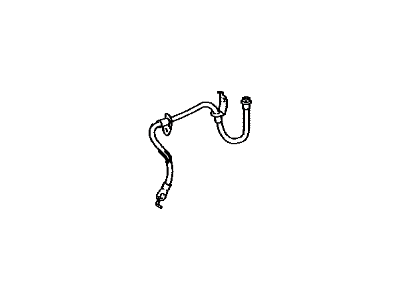
Toyota RAV4 Flexible Hose
Part Number: 90947-02F50$116.81 MSRP: $164.66You Save: $47.85 (30%)Ships in 1-3 Business Days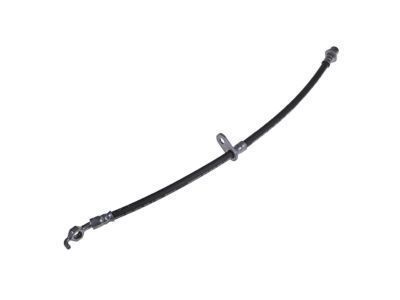
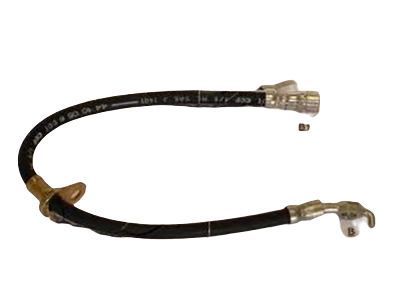
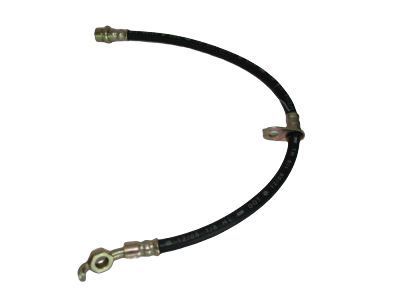
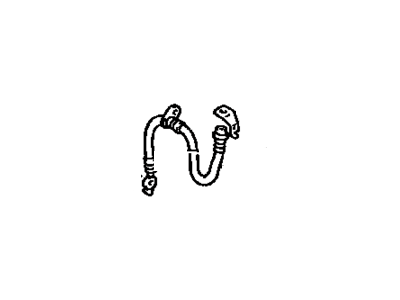
Toyota RAV4 Flexible Hose
Part Number: 90947-02781$92.03 MSRP: $129.73You Save: $37.70 (30%)Ships in 1-3 Business Days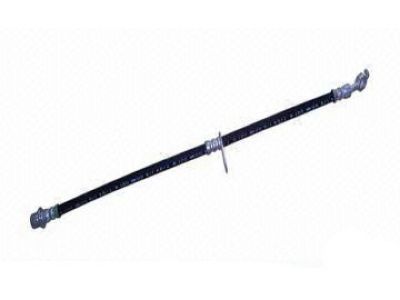
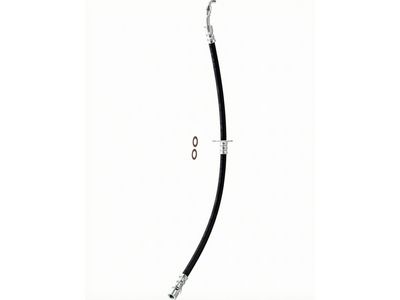
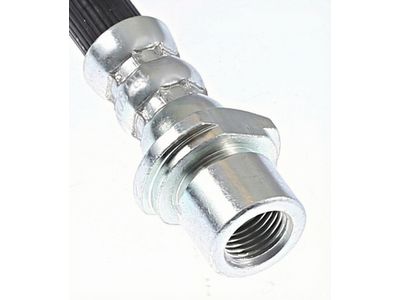
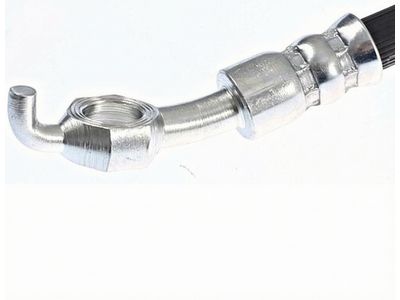
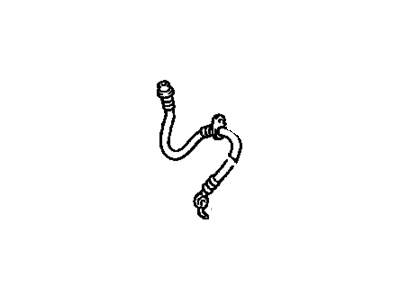
Toyota RAV4 Flexible Hose
Part Number: 90947-02782$92.03 MSRP: $129.73You Save: $37.70 (30%)Ships in 1-3 Business Days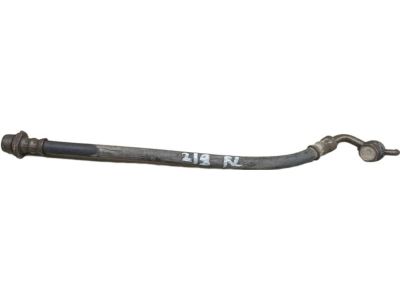
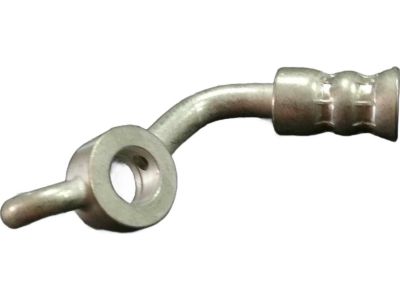
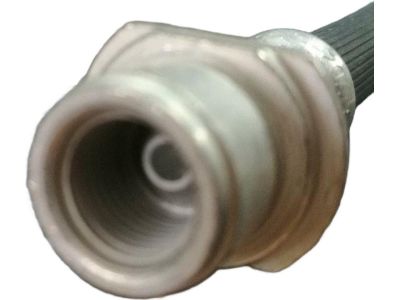
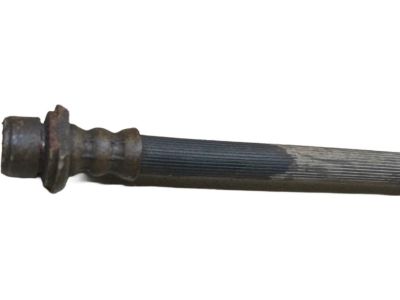
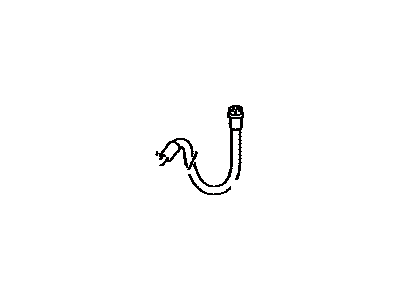
Toyota RAV4 Flexible Hose
Part Number: 90947-02F52$62.53 MSRP: $88.14You Save: $25.61 (30%)Ships in 1-3 Business Days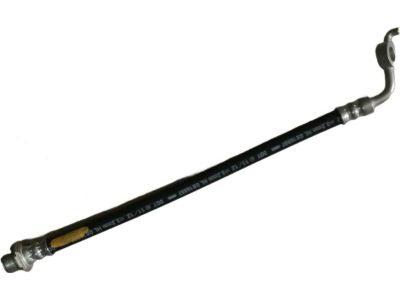
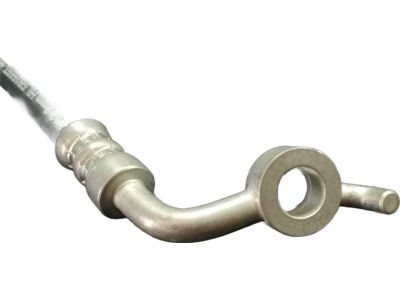
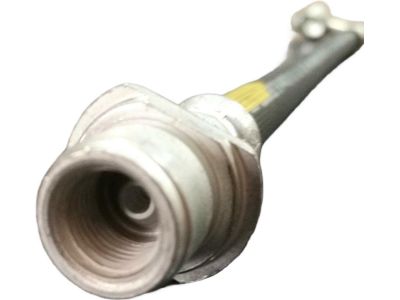
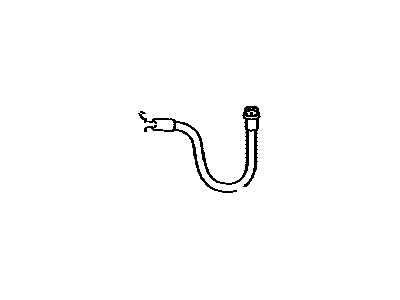
Toyota RAV4 Flexible Hose
Part Number: 90947-02F51$62.53 MSRP: $88.14You Save: $25.61 (30%)Ships in 1-3 Business Days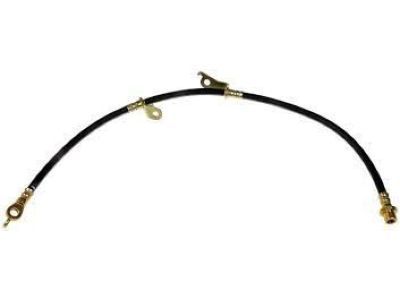
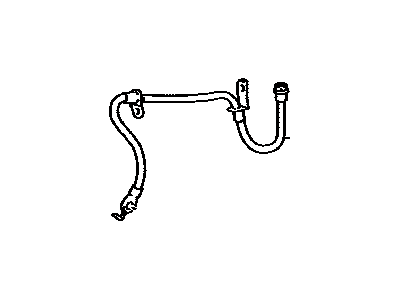
Toyota RAV4 Flexible Hose
Part Number: 90947-02F47$105.01 MSRP: $148.02You Save: $43.01 (30%)Ships in 1-3 Business Days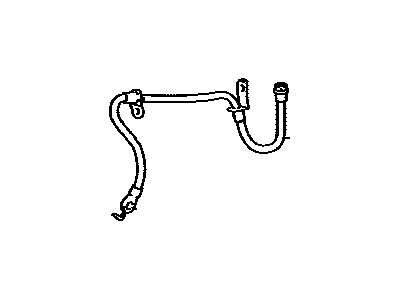
Toyota RAV4 Flexible Hose
Part Number: 90947-A2042$136.88 MSRP: $194.60You Save: $57.72 (30%)Ships in 1-3 Business Days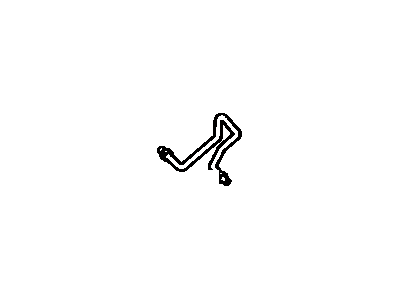
Toyota RAV4 Front Brake Tube No.3
Part Number: 47313-0R070$98.75 MSRP: $139.11You Save: $40.36 (30%)
Toyota RAV4 Rear Brake Tube
Part Number: 47321-42150$52.35 MSRP: $73.17You Save: $20.82 (29%)Ships in 1-3 Business Days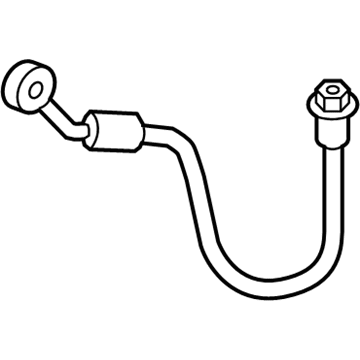
Toyota RAV4 Flexible Hose
Part Number: 90947-A2114$79.05 MSRP: $111.43You Save: $32.38 (30%)Ships in 1-3 Business Days
Toyota RAV4 Rear Brake Tube No.1
Part Number: 47321-0R010$52.35 MSRP: $73.17You Save: $20.82 (29%)Ships in 1-3 Business Days
Toyota RAV4 Flexible Hose
Part Number: 90947-02C53$57.11 MSRP: $79.83You Save: $22.72 (29%)Ships in 1-3 Business Days
Toyota RAV4 Flexible Hose
Part Number: 90947-02C55$101.47 MSRP: $143.03You Save: $41.56 (30%)Ships in 1-3 Business Days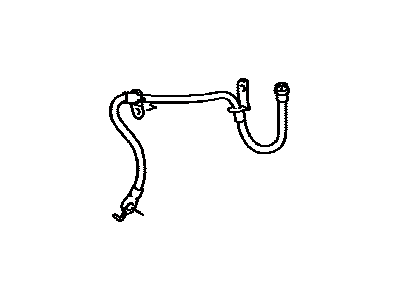
Toyota RAV4 Flexible Hose
Part Number: 90947-A2079$105.01 MSRP: $148.02You Save: $43.01 (30%)Ships in 1-3 Business Days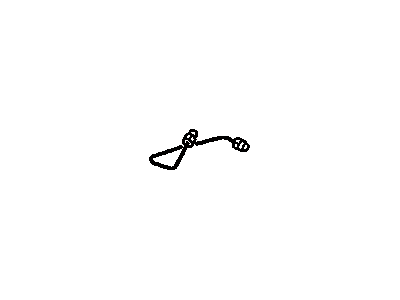
Toyota RAV4 Rear Brake Tube
Part Number: 47324-42041$13.44 MSRP: $18.78You Save: $5.34 (29%)Ships in 1-3 Business DaysToyota RAV4 Front Brake Tube
Part Number: 47313-42320$24.38 MSRP: $34.08You Save: $9.70 (29%)Ships in 1-3 Business DaysToyota RAV4 Flexible Hose
Part Number: 90947-A2113$79.05 MSRP: $111.43You Save: $32.38 (30%)Ships in 1-3 Business Days
| Page 1 of 7 |Next >
1-20 of 140 Results
Toyota RAV4 Brake Line
Brake Line covered by Toyota RAV4 provides the way for the brake fluid to flow from the master cylinder to the calipers. This generates hydraulic pressure which stops the car when you hit the brake pedal. The Brake Line is a frequently installed metal tube routed along the frame rails under the body to ensure protection under the sheet metal. Unfortunately, the area is prone to corrosion from road salt, debris and impact. In fact, any dent to the tubing could perforate it, causing fluid leaks and pressure loss. Corrosion may also lock up fittings that are difficult to disconnect and can twist the Brake Line. The Brake Line is connected with flexible hose sections that can crack, bulge or abrade from a nearby part or from aging of the rubber. Internal damage or restricted flow by contaminated fluid can cause brake drag or pull. A spongy brake pedal on Toyota RAV4 indicates when a replacement is necessary. The use of prebent stainless steel tubing with the correct diameter and fittings, along with direct-fit hoses and clips, allows the Toyota RAV4 Brake Line to be restored precisely to its original hydraulic integrity, ensuring consistent Toyota RAV4 braking performance.
If you are in demand for superior quality and affordable OEM Toyota RAV4 Brake Line, then shop with us! We own a wide range of the reduced-priced genuine Toyota RAV4 Brake Line. You can purchase in confidence as all parts come with a manufacturer's warranty. Any issues with our products? No need to worry as we have a hassle-free return policy to guide you every step of the way.
Toyota RAV4 Brake Line Parts Questions & Experts Answers
- Q:How to inspect and replace brake hoses and metal brake lines on Toyota Rav4?Posted by Mindong L.A:About every six months, with the vehicle raised and supported securely on jackstands, inspect the rubber hoses connecting the steel brake lines to the front and rear brake assemblies for cracks, chafing, leaks, blisters, and other damage, as these are crucial parts of the brake system. Use a light and mirror for a thorough check, and replace any hose showing signs of wear. To replace a disc brake hose, loosen the wheel lug nuts, raise the vehicle, and remove the wheel. Unscrew the brake line fitting from the hose using a flare-nut wrench to avoid rounding off the corners, and hold the hose fitting with an open-end wrench if the bracket bends. Remove the U-clip from the female fitting at the bracket with pliers and pass the hose through the bracket. At the caliper end, remove the banjo fitting bolt and separate the hose, ensuring to replace the two copper sealing washers during installation. Unbolt the hose from the strut bracket if applicable, then install the new hose in reverse order, ensuring it isn't twisted, and securely tighten the banjo bolt and brake hose-to-brake line fitting. After installation, check the master cylinder fluid level, add fluid if necessary, and bleed the brake system before carefully testing the brakes. When replacing metal brake lines, use the correct steel parts and avoid copper tubing. Prefabricated brake lines with flared tube ends and installed fittings are available at auto parts stores and can be bent to the proper shape. Ensure the new line is securely supported in brackets and has adequate clearance from moving or hot components.Answered by Toyota Parts Specialist Phil / Mar 11, 2022
Related Toyota RAV4 Parts
 Toyota RAV4 Brake Pad Set
 Toyota RAV4 Brake Disc
 Toyota RAV4 Wheel Seal
 Toyota RAV4 Brake Drum
 Toyota RAV4 Backing Plate
 Toyota RAV4 Speed Sensor
 Toyota RAV4 Brake Proportioning Valve
 Toyota RAV4 Brake Master Cylinder
 Toyota RAV4 Parking Brake Cable
 Toyota RAV4 Brake Shoe Set
 Toyota RAV4 Brake Fluid Pump
 Toyota RAV4 Brake Caliper
Browse by Year
2024 Brake Line 2023 Brake Line 2022 Brake Line 2021 Brake Line 2020 Brake Line 2019 Brake Line 2018 Brake Line 2017 Brake Line 2016 Brake Line 2015 Brake Line 2014 Brake Line 2013 Brake Line 2012 Brake Line 2011 Brake Line 2010 Brake Line 2009 Brake Line 2008 Brake Line 2007 Brake Line 2006 Brake Line 2005 Brake Line 2004 Brake Line 2003 Brake Line 2002 Brake Line 2001 Brake Line 2000 Brake Line 1999 Brake Line 1998 Brake Line 1997 Brake Line 1996 Brake Line