

My Garage
My Account
Cart
Genuine Toyota Sienna Brake Disc
Disc Rotor- Select Vehicle by Model
- Select Vehicle by VIN
Select Vehicle by Model
orMake
Model
Year
Select Vehicle by VIN
For the most accurate results, select vehicle by your VIN (Vehicle Identification Number).
10 Brake Discs found
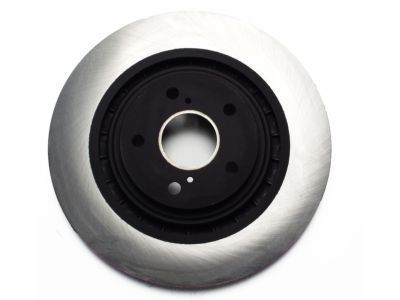
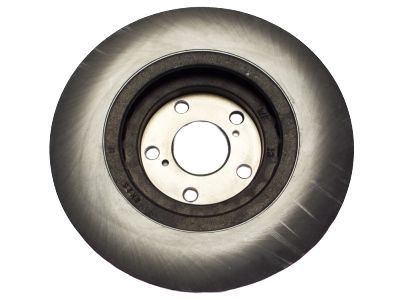
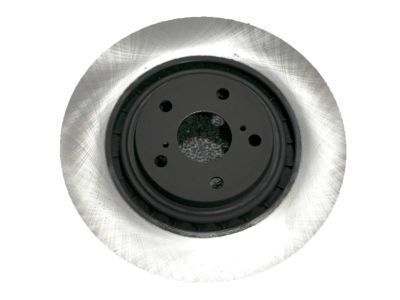
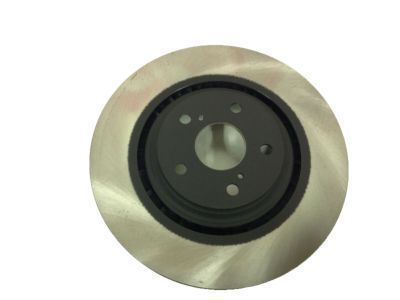
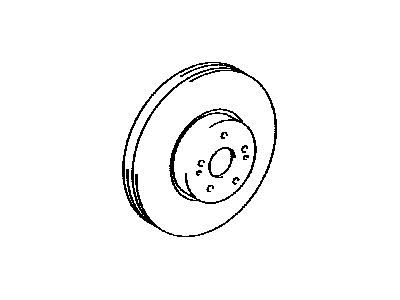
Toyota Sienna Disc Brake Rotor Front
Part Number: 43512-0E030$78.10 MSRP: $110.10You Save: $32.00 (30%)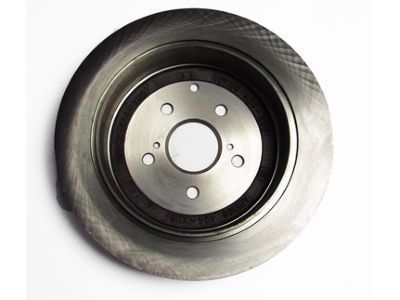
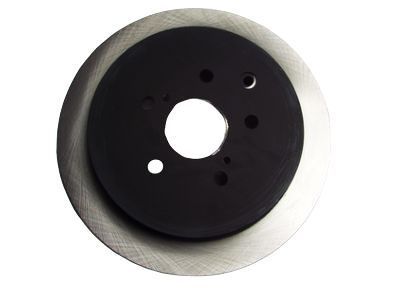
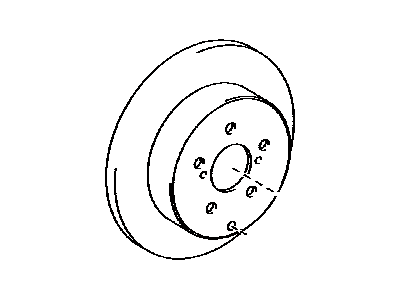
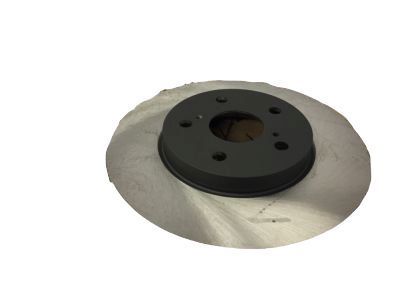
Toyota Sienna Rear Disc
Part Number: 42431-0E020$73.74 MSRP: $103.94You Save: $30.20 (30%)Ships in 1-3 Business Days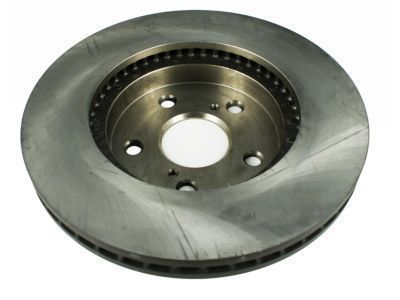
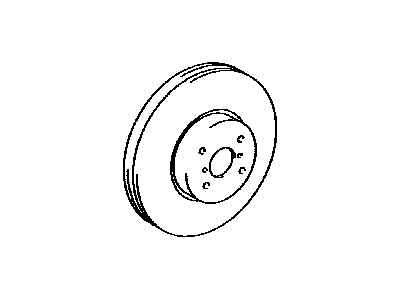
Toyota Sienna Disc Brake Rotor Front
Part Number: 43512-08040$74.33 MSRP: $104.77You Save: $30.44 (30%)Ships in 1-3 Business Days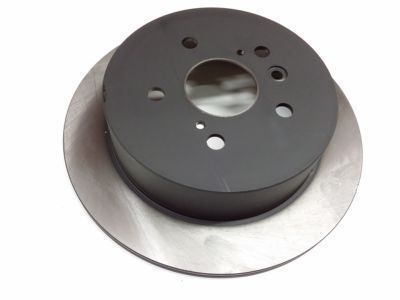
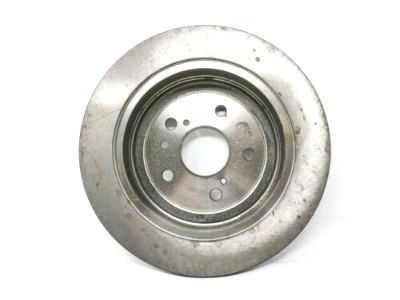
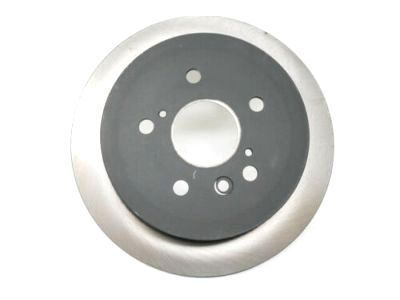
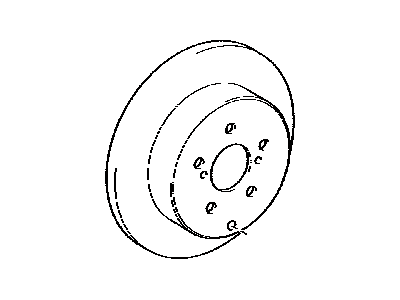
Toyota Sienna Rear Disc
Part Number: 42431-08040$69.49 MSRP: $97.96You Save: $28.47 (30%)Ships in 1-2 Business Days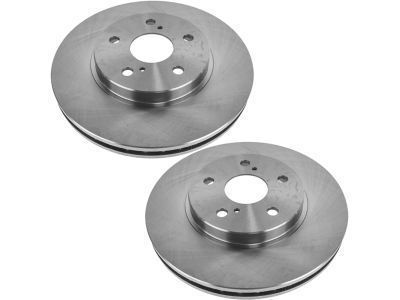
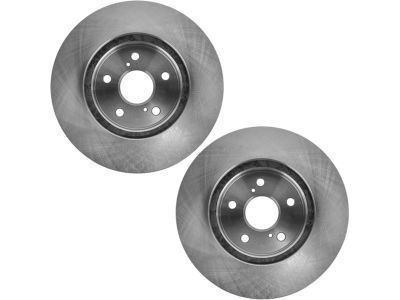
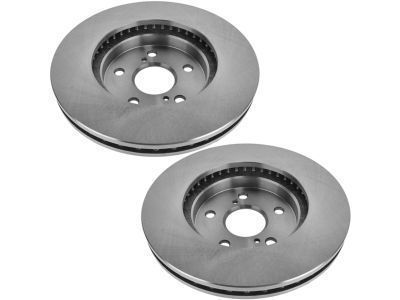
Toyota Sienna Disc Brake Rotor Front
Part Number: 43512-08030$74.33 MSRP: $104.77You Save: $30.44 (30%)Ships in 1-3 Business Days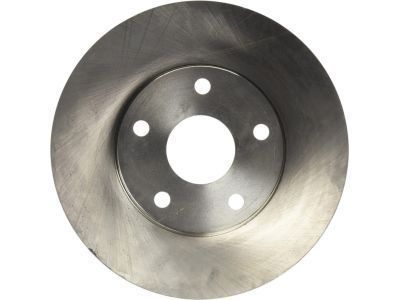
Toyota Sienna Disc Brake Rotor Front
Part Number: 43512-08021$76.10 MSRP: $107.27You Save: $31.17 (30%)Ships in 1-3 Business Days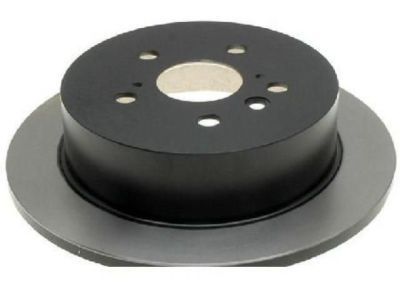
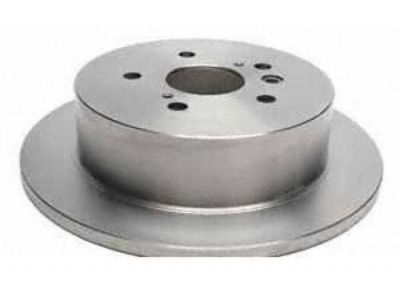
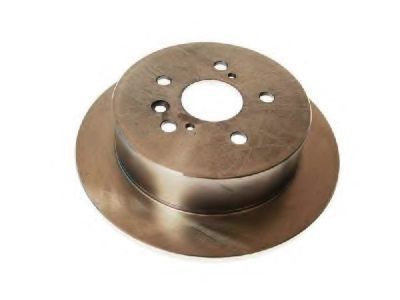
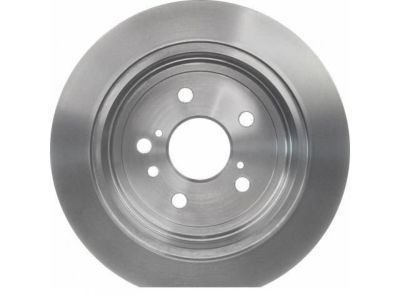
Toyota Sienna Rear Disc
Part Number: 42431-08030$69.49 MSRP: $97.96You Save: $28.47 (30%)Ships in 1-3 Business Days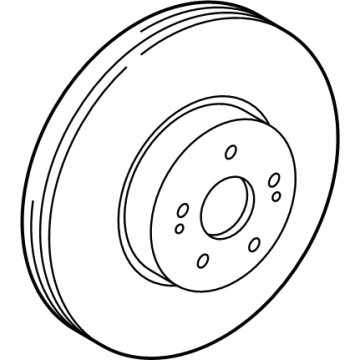
Toyota Sienna Front Disc Brake Rotor
Part Number: 43512-08060$78.22 MSRP: $110.26You Save: $32.04 (30%)Ships in 1-3 Business Days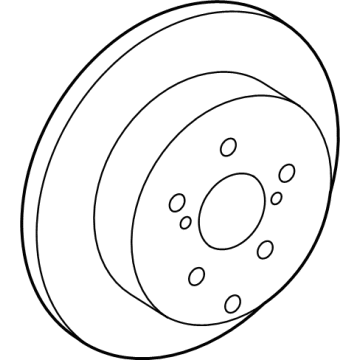
Toyota Sienna Rear Disc Brake Rotor
Part Number: 42431-08050$88.02 MSRP: $124.07You Save: $36.05 (30%)Ships in 1-3 Business DaysToyota Sienna Disc Brake Rotor Front
Part Number: 43512-08020$76.10 MSRP: $107.27You Save: $31.17 (30%)Ships in 1-3 Business Days
Toyota Sienna Brake Disc
The Brake Disc of the Toyota Sienna provides a surface that helps slow down the minivan. It does this through the conversion of wheel rotation to heat. This is accomplished by the brake pads making contact with the Brake Disc. The Brake Disc is fastened onto the wheel hub. Since its metal surfaces are exposed, air circulation keeps temperatures down. Consequently, Brake Disc systems don't fade like enclosed drum systems and provide a consistent pedal feel. Due to the constant space between the pads and the rotor, the Brake Disc is self-adjusting by nature and helps the automobile to stop straight with less pull or grab. Inspection is easy as wear surfaces are visible without disassembly. The Brake Disc on Toyota Sienna models usually has internal ventilation fins between twin friction faces that permit air flow through the center to dissipate extra heat. Depending on the design implementation, several Brake Discs may be drilled or slotted on the face to assist water removal, further improving cooling while retaining the same function. This allows the Toyota Sienna to descend on lengthy slopes while maintaining stable stopping power. The part helps with reliable, predictable braking performance for Toyota Sienna.
If you are in demand for superior quality and affordable OEM Toyota Sienna Brake Disc, then shop with us! We own a wide range of the reduced-priced genuine Toyota Sienna Brake Disc. You can purchase in confidence as all parts come with a manufacturer's warranty. Any issues with our products? No need to worry as we have a hassle-free return policy to guide you every step of the way.
Toyota Sienna Brake Disc Parts Questions & Experts Answers
- Q:How to inspect and replace a brake disc on Toyota Sienna?A:Loosen the wheel lug nuts, raise the vehicle, and support it securely on jackstands. Remove the wheel and install the lug nuts to hold the disc in place, releasing the parking brake if working on the rear brake disc. Remove the Brake Caliper without disconnecting the brake hose, suspending it out of the way with a piece of wire to avoid hanging it by the flexible brake hose. Detach the torque plate by removing its mounting bolts. Visually inspect the disc surface for score marks and damage; light scratches are normal, but deep scoring over 0.039-inch requires disc removal and refinishing. Check both sides of the disc, and if pulsating occurs during braking, suspect disc runout. To check runout, place a dial indicator about 1/2-inch from the outer edge of the disc, set it to zero, and turn the disc, ensuring the reading does not exceed the allowable limit. Discs should be resurfaced to ensure a smooth finish and flat surface, eliminating brake pedal pulsation. If not resurfaced, remove any glaze with sandpaper or emery cloth using a swirling motion. Ensure the disc is not machined below the minimum allowable refinish thickness, which is cast into the inside of the disc, and measure the thickness with a micrometer. Remove the lug nuts used to hold the disc in place and take the disc off the hub. Place the new disc over the threaded studs, install the torque plate, and tighten the bolts to the specified torque. Install the caliper and tighten its bolts, bleeding the system only if the brake hose was disconnected. Finally, install the wheel and lug nuts, lower the vehicle, tighten the lug nuts to the specified torque, and depress the brake pedal a few times to bring the brake pads into contact with the disc, checking the operation of the brakes carefully before driving.
Related Toyota Sienna Parts
 Toyota Sienna Brake Pad Set
 Toyota Sienna Speed Sensor
 Toyota Sienna Brake Master Cylinder
 Toyota Sienna Parking Brake Cable
 Toyota Sienna Brake Bleeder Screw
 Toyota Sienna Brake Line
 Toyota Sienna Wheel Cylinder Repair Kit
Browse by Year
2024 Brake Disc 2023 Brake Disc 2022 Brake Disc 2021 Brake Disc 2020 Brake Disc 2019 Brake Disc 2018 Brake Disc 2017 Brake Disc 2016 Brake Disc 2015 Brake Disc 2014 Brake Disc 2013 Brake Disc 2012 Brake Disc 2011 Brake Disc 2010 Brake Disc 2009 Brake Disc 2008 Brake Disc 2007 Brake Disc 2006 Brake Disc 2005 Brake Disc 2004 Brake Disc 2003 Brake Disc 2002 Brake Disc 2001 Brake Disc 2000 Brake Disc 1999 Brake Disc 1998 Brake Disc