My Garage
My Account
Cart
Genuine Toyota Supra Rod Bearing
Engine Connecting Rod Bearing- Select Vehicle by Model
- Select Vehicle by VIN
Select Vehicle by Model
orMake
Model
Year
Select Vehicle by VIN
For the most accurate results, select vehicle by your VIN (Vehicle Identification Number).
24 Rod Bearings found
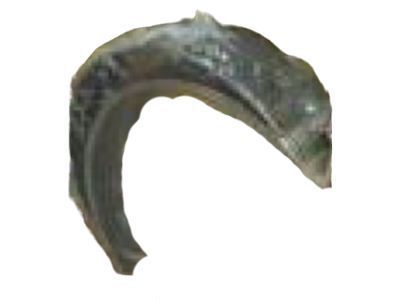
Toyota Supra Connecting Rod Bearing
Part Number: 13041-46010-05$20.81 MSRP: $29.10You Save: $8.29 (29%)Ships in 1-3 Business Days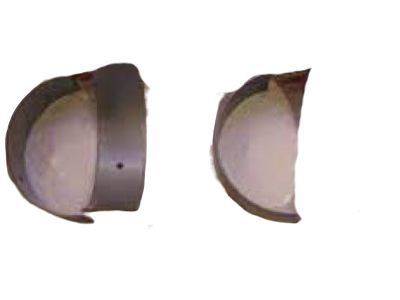
Toyota Supra Connecting Rod Bearing
Part Number: 13041-46012-04$19.50 MSRP: $27.26You Save: $7.76 (29%)Ships in 1-3 Business Days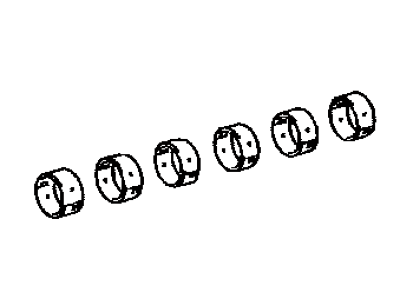
Toyota Supra Connecting Rod Bearing Set
Part Number: 13204-46021$149.16 MSRP: $212.06You Save: $62.90 (30%)Ships in 1-3 Business DaysToyota Supra Connecting Rod Bearing
Part Number: 13041-46010-02$22.96 MSRP: $32.09You Save: $9.13 (29%)Ships in 1-3 Business DaysToyota Supra Connecting Rod Bearing
Part Number: 13041-46010-03$20.81 MSRP: $29.10You Save: $8.29 (29%)Toyota Supra Connecting Rod Bearing
Part Number: 13041-46010-04$19.50 MSRP: $27.26You Save: $7.76 (29%)Ships in 1-3 Business DaysToyota Supra Connecting Rod Bearing
Part Number: 13041-46012-02$22.96 MSRP: $32.09You Save: $9.13 (29%)Ships in 1-3 Business DaysToyota Supra Connecting Rod Bearing Set
Part Number: 13204-46020$149.16 MSRP: $212.06You Save: $62.90 (30%)Ships in 1-3 Business DaysToyota Supra Connecting Rod Bearing
Part Number: 13041-46011-05$20.81 MSRP: $29.10You Save: $8.29 (29%)Ships in 1-3 Business DaysToyota Supra Connecting Rod Bearing
Part Number: 13041-46011-01$20.81 MSRP: $29.10You Save: $8.29 (29%)Ships in 1-3 Business DaysToyota Supra Connecting Rod Bearing
Part Number: 13041-46011-02$22.96 MSRP: $32.09You Save: $9.13 (29%)Ships in 1-3 Business DaysToyota Supra Connecting Rod Bearing
Part Number: 13041-46011-03$20.81 MSRP: $29.10You Save: $8.29 (29%)Ships in 1-3 Business DaysToyota Supra Connecting Rod Bearing
Part Number: 13041-46012-01$20.81 MSRP: $29.10You Save: $8.29 (29%)Ships in 1-3 Business DaysToyota Supra Connecting Rod Bearing Set
Part Number: 13204-46022$149.16 MSRP: $212.06You Save: $62.90 (30%)Ships in 1-3 Business DaysToyota Supra Connecting Rod Bearing
Part Number: 13041-46011-04$19.50 MSRP: $27.26You Save: $7.76 (29%)Ships in 1-3 Business DaysToyota Supra Connecting Rod Bearing
Part Number: 13041-46012-05$20.81 MSRP: $29.10You Save: $8.29 (29%)Ships in 1-3 Business DaysToyota Supra Connecting Rod Bearing
Part Number: 13041-46010-01$20.81 MSRP: $29.10You Save: $8.29 (29%)Ships in 1-3 Business DaysToyota Supra Connecting Rod Bearing
Part Number: 13041-46012-03$20.81 MSRP: $29.10You Save: $8.29 (29%)Ships in 1-3 Business Days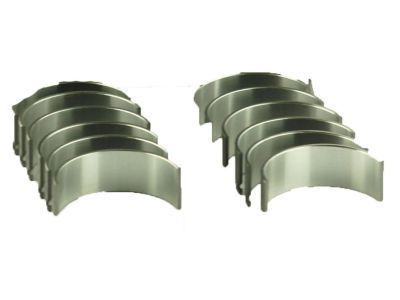
| Page 1 of 2 |Next >
1-20 of 24 Results
Toyota Supra Rod Bearing
A Toyota Supra Rod Bearing is specifically designed to reduce the friction between the connecting rod and the crankshaft. It allows a smooth rotating engine. It also helps in supporting the crankshaft under the load. The Rod Bearing is a plain insert style, fitted into a split bore formed by the connecting rod and its cap. It is separated from the crankshaft journal by a thin film of pressurized oil. The oil clearance must be between 0.001 and 0.0035 inches so that the bearing seats fully when the bolts are torqued and the oil can remain stable. Each Rod Bearing has a slight crush which locks it in the rod saddle, while aligned oil holes or grooves permit lubricant to flow through to the journal. For the Rod Bearing, two materials have been described. The bi-metal unit consists of an aluminum alloy lining that is fortified with silicone. The tri-metal unit has a copper layer, plus a lead-tin-copper overlay for added strength and embedability. A Rod Bearing's size must be selected correctly to provide a reliable fitment. Size markings for the Toyota Supra model facilitate component matching, ensuring the proper clearance helps maintain the smoothness of the Toyota Supra engine while enhancing its durability.
If you are in demand for superior quality and affordable OEM Toyota Supra Rod Bearing, then shop with us! We own a wide range of the reduced-priced genuine Toyota Supra Rod Bearing. You can purchase in confidence as all parts come with a manufacturer's warranty. Any issues with our products? No need to worry as we have a hassle-free return policy to guide you every step of the way.
Toyota Supra Rod Bearing Parts Questions & Experts Answers
- Q:What should be considered when examining and replacing engine Rod bearings during an overhaul on Toyota Supra?Posted by Umang P.A:It is important to renew the main and connecting rod bearings while overhauling the engine, to keep the old bearings for evaluation of the state of the engine. Several features can cause bearing failure; inadequate lubrication, contaminants such as dirt, foreign particles, overload on the engine, and corrosion, among them all must be ascertained and rectified before reuniting the engine again to avoid future incidences. When examining the bearings, the bearings should be taken out from the engine components and arranged in their orientations on a clean surface for practical use comparing any defects observed with the crankshaft journal. These foreign particles can end up in the engine assembly remnants, filters or through the PCV system, are are often metallic in nature such as from machining processes or abrasive particles that were used to recondition items to be installed in the engine. These contaminants can become lodged into the bearing material, whereas the larger particles might produce scoring or gouging. Thus, to avoid such failures, all the parts have to be cleaned frequently, and the oil and filter have to be replaced. The causes of inadequate lubrication are heat, overloading, leakage, or blockage, and oil passages lead to the extreme extent where the bearing material is completely removed from its backing. Other behaviours also affect the bearing life span and include; sharp acceleration pressures at low speeds which cause high loads to squash out oil and; short journies that may cause corrosion due to inadequate heat. Also, some improper bearings installation may lead to oil starvation or the formation of high spots that lead to the failure of the bearings.Answered by Toyota Parts Specialist Andy / Mar 13, 2022