

My Garage
My Account
Cart
Genuine Toyota Tercel Starter Motor
Starter Ignition- Select Vehicle by Model
- Select Vehicle by VIN
Select Vehicle by Model
orMake
Model
Year
Select Vehicle by VIN
For the most accurate results, select vehicle by your VIN (Vehicle Identification Number).
14 Starter motors found
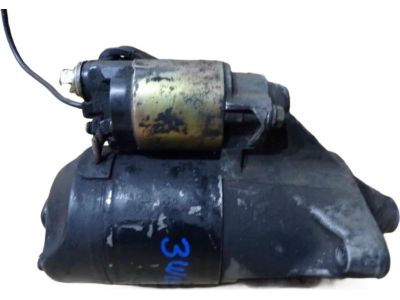
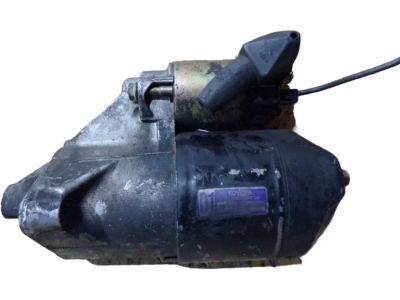
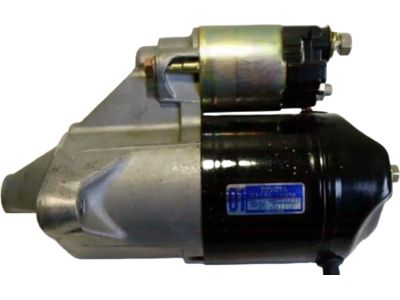
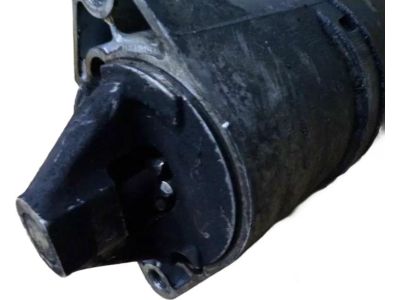
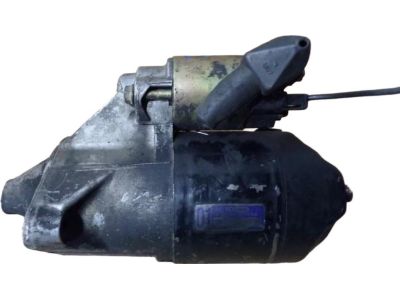
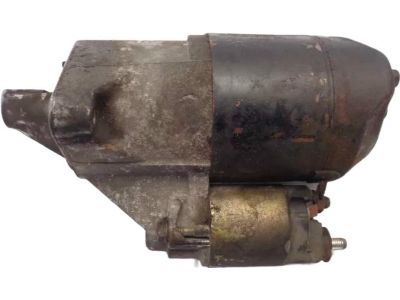
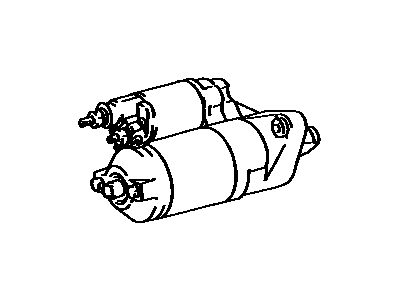
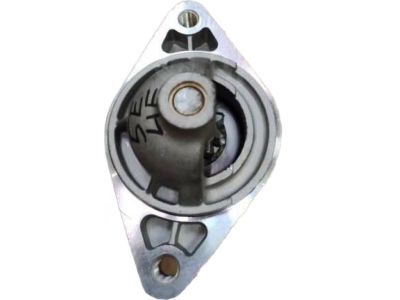
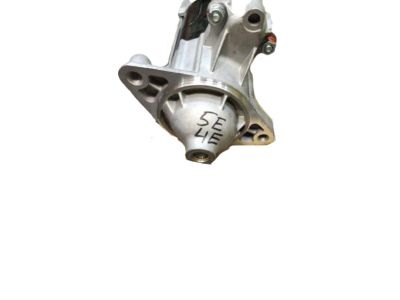
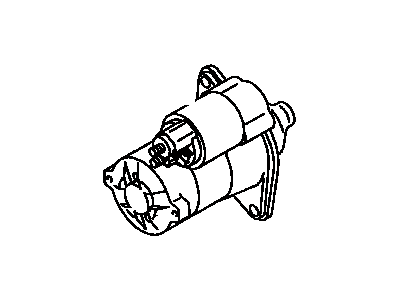
Toyota Tercel Starter Assembly
Part Number: 28100-11010$142.56 MSRP: $201.28You Save: $58.72 (30%)Ships in 1-3 Business Days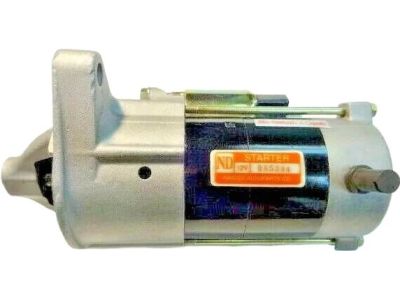
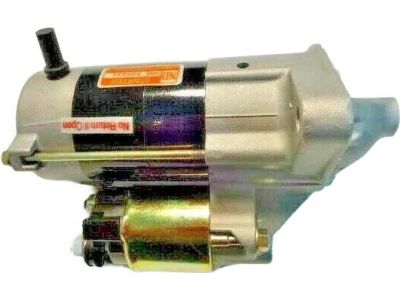
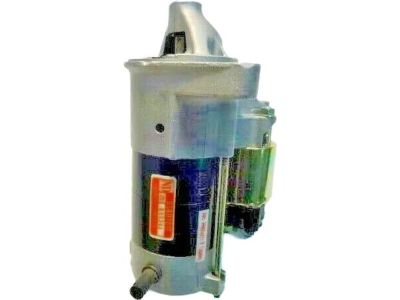
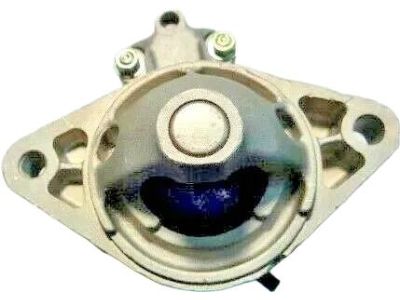
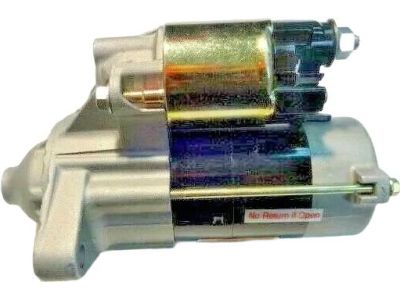
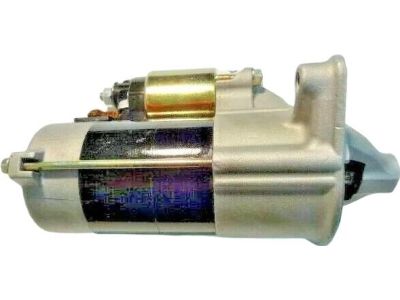
Toyota Tercel Starter Assembly
Part Number: 28100-11020$149.57 MSRP: $211.26You Save: $61.69 (30%)Ships in 1-3 Business Days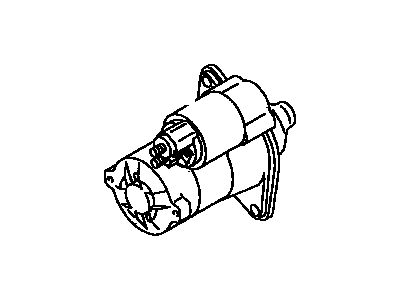
Toyota Tercel Starter Assembly
Part Number: 28100-11110$174.97 MSRP: $247.45You Save: $72.48 (30%)Ships in 1-3 Business Days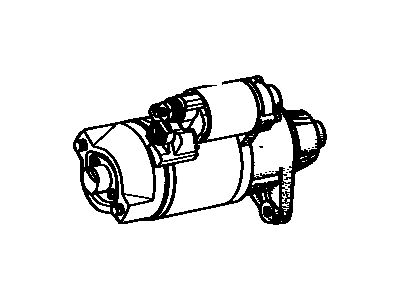
Toyota Tercel Starter Assembly
Part Number: 28100-15020$210.99 MSRP: $340.53You Save: $129.54 (39%)Ships in 1-3 Business DaysToyota Tercel Starter Assembly
Part Number: 28100-15011$235.46 MSRP: $375.64You Save: $140.18 (38%)Ships in 1-3 Business DaysToyota Tercel Starter Assembly
Part Number: 28100-11080$296.56 MSRP: $463.24You Save: $166.68 (36%)Ships in 1-3 Business DaysToyota Tercel Starter Assembly
Part Number: 28100-11100$157.15 MSRP: $222.07You Save: $64.92 (30%)Ships in 1-3 Business Days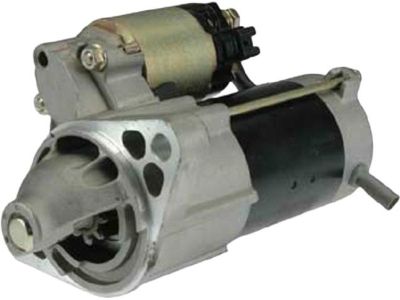
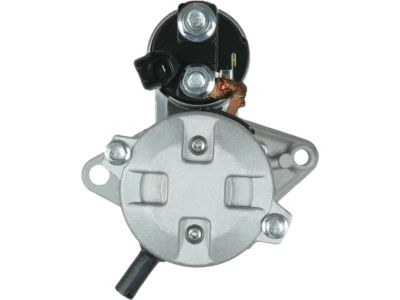
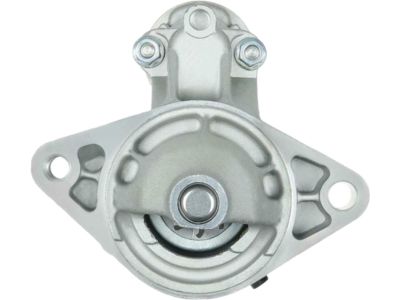
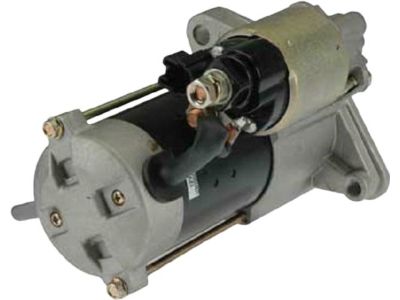
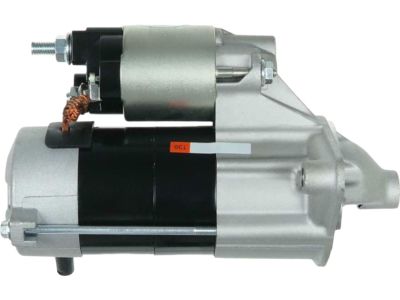
Toyota Tercel Starter Motor
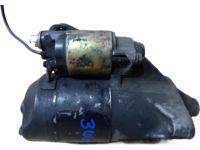
The initial spin which enables the engine to run when the key is turned is supplied by the Toyota Tercel Starter Motor. Within the small package, a heavy wire energizes a solenoid which spins an armature surrounded by field coils or magnets to crank the crankshaft. The early models of the car were equipped with a direct drive Starter Motor, but in later Tercel models, a gear reduction Starter Motor was installed. This Starter Motor is named so because it adds smaller gears to the system. Because of these added gears, this modification is lighter in weight and gives a stronger twist. Both versions rely on the solenoid to force the pinion into contact with the flywheel and an overrunning clutch that releases the pinion once firing starts to protect the Starter Motor from overspeeding. The neutral or clutch safety switches prevent an electrical message from the ignition switch from energizing the starter solenoid if the car is in gear. Thus, the device only works when conditions are safe. It is important that the battery voltage be healthy and the cables clean because insufficient current makes the Toyota Starter Motor starve and the solenoid does not engage fully. Toyota has been perfecting the design for decades and it has remained very simple and dependable. It doesn't matter what trim you choose, the Tercel has them all.
If you are in demand for superior quality and affordable OEM Toyota Tercel Starter Motor, then shop with us! We own a wide range of the reduced-priced genuine Toyota Tercel Starter Motor. You can purchase in confidence as all parts come with a manufacturer's warranty. Any issues with our products? No need to worry as we have a hassle-free return policy to guide you every step of the way.
Toyota Tercel Starter Motor Parts Questions & Experts Answers
- Q:How to Diagnose Starter Motor Problems on Toyota Tercel?A:Before diagnosing starter problems, ensure that the battery is fully charged. If the starter motor does not turn when the switch is operated, check that the shift lever is in Neutral or Park (automatic transmission) or that the clutch pedal is depressed (manual transmission). Additionally, make sure the battery is charged and all cables are clean and secure. If the starter motor spins but the engine does not crank, the overrunning clutch in the starter motor may be slipping and the starter motor will need to be replaced. If the solenoid clicks but the starter motor does not operate, the issue may lie with the battery, main solenoid contacts, starter motor, or a seized engine. Check the starter relay if a short circuit or power failure is suspected. If the solenoid plunger cannot be heard when the switch is actuated, it could indicate a bad battery, burned fusible link, or defective solenoid. To check the solenoid, connect a jumper lead between the battery (+) and the ignition switch terminal on the solenoid. If the starter motor operates, the solenoid is fine and the problem lies elsewhere. If the starter motor still does not operate, remove the starter/solenoid assembly for further testing and repair. If the starter motor cranks the engine at a slow speed, ensure the battery is charged and all terminal connections are tight. Partial engine seizure or incorrect oil viscosity can also cause slow cranking. To test the starter motor, run the engine until normal operating temperature is reached, then disconnect the coil wire from the distributor cap and ground it on the engine. Connect a voltmeter to the battery and crank the engine, taking voltage readings. A reading of nine volts or more at normal cranking speed is normal, indicating a faulty motor if the cranking speed is slow. If the reading is less than nine volts and the cranking speed is slow, the solenoid contacts may be burned, the starter motor could be bad, the battery may be discharged, or there could be a bad connection.
Related Toyota Tercel Parts
 Toyota Tercel Alternator
 Toyota Tercel Starter Solenoid
 Toyota Tercel Alternator Brush
 Toyota Tercel Alternator Bearing
 Toyota Tercel Alternator Pulley
 Toyota Tercel Alternator Case Kit
 Toyota Tercel Starter Brush
 Toyota Tercel Armature
 Toyota Tercel Starter Drive Gear
Browse by Year
1999 Starter Motor 1998 Starter Motor 1997 Starter Motor 1996 Starter Motor 1995 Starter Motor 1994 Starter Motor 1993 Starter Motor 1992 Starter Motor 1991 Starter Motor 1990 Starter Motor 1989 Starter Motor 1988 Starter Motor 1987 Starter Motor 1986 Starter Motor 1985 Starter Motor 1984 Starter Motor 1983 Starter Motor 1982 Starter Motor 1981 Starter Motor 1980 Starter Motor