

My Garage
My Account
Cart
Genuine 2008 Toyota Tundra Crankshaft Seal
- Select Vehicle by Model
- Select Vehicle by VIN
Select Vehicle by Model
orMake
Model
Year
Select Vehicle by VIN
For the most accurate results, select vehicle by your VIN (Vehicle Identification Number).
5 Crankshaft Seals found
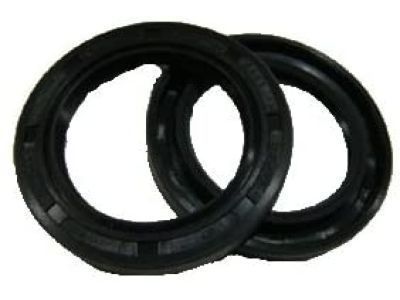
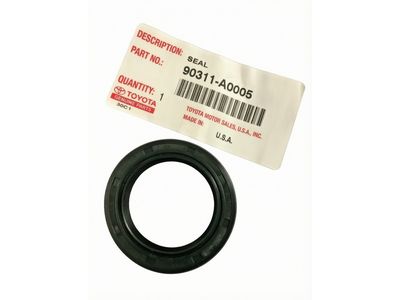
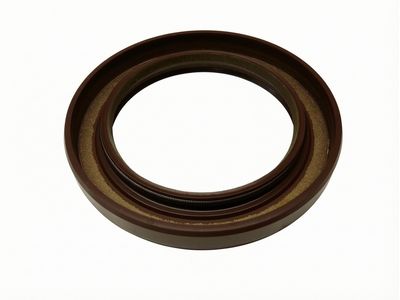
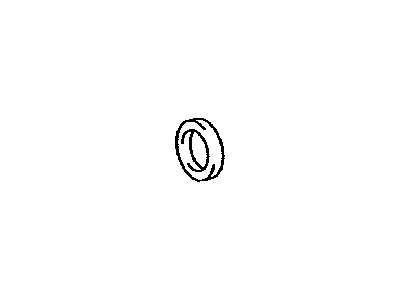
2008 Toyota Tundra Oil Seal
Part Number: 90311-A0005$19.03 MSRP: $26.60You Save: $7.57 (29%)Ships in 1-3 Business DaysProduct Specifications- Other Name: Seal, Oil
- Comment: (FOR TIMING GEAR CASE OR TIMING CHAIN CASE)
- Replaces: 90311-42019, 90311-42007, 90311-42037, 90311-42036
- Part Name Code: 11301C
- Item Weight: 0.50 Pounds
- Item Dimensions: 5.3 x 4.8 x 1.0 inches
- Condition: New
- Fitment Type: Direct Replacement
- SKU: 90311-A0005
- Warranty: This genuine Toyota part is covered by warranty.


2008 Toyota Tundra Main Seal
Part Number: 90311-A0006$55.92 MSRP: $78.16You Save: $22.24 (29%)Ships in 1-2 Business DaysProduct Specifications- Other Name: Seal, Engine Rear Oil; Crankshaft Seal, Rear Main Seal, Rear Seal
- Manufacturer Note: (L)
- Position: Rear
- Replaces: 90311-99010
- Part Name Code: 11381A
- Item Weight: 0.70 Pounds
- Item Dimensions: 5.2 x 5.1 x 0.4 inches
- Condition: New
- Fitment Type: Direct Replacement
- SKU: 90311-A0006
- Warranty: This genuine Toyota part is covered by warranty.

2008 Toyota Tundra Main Seal
Part Number: 90311-A0002$33.31 MSRP: $46.56You Save: $13.25 (29%)Ships in 1 Business DayProduct Specifications- Other Name: Seal, Engine Rear Oil; Rear Main Seal, Rear Seal
- Manufacturer Note: (L)
- Position: Rear
- Part Name Code: 11381A
- Item Weight: 0.50 Pounds
- Item Dimensions: 4.9 x 5.1 x 0.4 inches
- Condition: New
- Fitment Type: Direct Replacement
- SKU: 90311-A0002
- Warranty: This genuine Toyota part is covered by warranty.


2008 Toyota Tundra Seal
Part Number: 90311-42036$19.03 MSRP: $26.60You Save: $7.57 (29%)Ships in 1-2 Business DaysProduct Specifications- Other Name: Seal, Oil
- Replaced by: 90311-A0005
- Part Name Code: 11301C
- Item Weight: 0.50 Pounds
- Item Dimensions: 2.3 x 2.3 x 0.5 inches
- Condition: New
- Fitment Type: Direct Replacement
- SKU: 90311-42036
- Warranty: This genuine Toyota part is covered by warranty.


2008 Toyota Tundra Seal
Part Number: 90311-95012$44.02 MSRP: $61.53You Save: $17.51 (29%)Ships in 1 Business DayProduct Specifications- Other Name: Seal, Engine Rear Oil
- Position: Rear
- Replaced by: 90311-95013
- Part Name Code: 11381A
- Item Weight: 0.50 Pounds
- Item Dimensions: 5.2 x 5.0 x 0.5 inches
- Condition: New
- Fitment Type: Direct Replacement
- SKU: 90311-95012
- Warranty: This genuine Toyota part is covered by warranty.
2008 Toyota Tundra Crankshaft Seal
With ToyotaPartsDeal.com, you have access to an extensive inventory of genuine 2008 Toyota Tundra Crankshaft Seal, all priced competitively. Feel secure in your purchase, as all our OEM 2008 Toyota Tundra Crankshaft Seal are covered by warranty. Plus, we offer a hassle-free return policy and speedy delivery service.
2008 Toyota Tundra Crankshaft Seal Parts Questions & Experts Answers
- Q:How to replace the rear crankshaft seal without damaging it in V6 engine for the 2008 Toyota Tundra?Posted by Kalen S.A:Take off the transmission and the rear end cover. If the seal is made stiff, the lip of the seal cannot return to its proper position and the job may be done improperly or the seal may be damaged during the job; however, the seal can be replaced without taking any of the tools stated above or having to remove the oil pan or the seal retainer. In the event of proceeding, remove the old seal with a screwdriver; spread the multi-purpose grease over the Crankshaft Seal journal and the lip of the new seal; and lastly install a new seal carefully to avoid rush which is counterproductive in sealing. Another approach that is considered better is the one where the seal retainer has to be taken out and the rear of the oil pan has to be resealed. This can be done by fitting the rear portion of a putty knife under the rear part of the oil pan and the bottom of the seal retainer and moving it side to side to loosen the seal between the seal retainer and the engine block. Then after that, the retainer-to-engine block bolts are removed, the seal retainer is detached, and all gasket deposits and sealant residues are scraped off from the oil pan flange. Using a clamp, secure the seal and retainer assembly between two wood blocks on a workbench, then, with great force, remove the old seal from the back side of the seal and retainer assembly using a screwdriver. Force the new seal into the retainer by hammering it gently with a wood block or a piece of pipe whose diameter is slightly lesser than that of the outside diameter of the seal; do not allow the seal to be cocked in the retainer bore. Apply multipurpose grease to the Crankshaft Seal journal and to the outside lip of the new seal, and use 2 to 3 mm RTV silicone sealant to join the seal retainer to the block; there is no gasket between the two. Carefully install the round seal and retainer using its tapered section on the crankshaft, and with the help of some smooth object to engage with the stiff part of the seal lip. On the side of the retainer, install and tighten the bolts to the specified torque. The rest of the removal is conducted in the reverse order beginning at the step of fixing the hooks onto the wall.Answered by Toyota Parts Specialist Ryan / Feb 05, 2024
Related 2008 Toyota Tundra Parts
 2008 Toyota Tundra Drain Plug Washer
 2008 Toyota Tundra Drain Plug
 2008 Toyota Tundra Cylinder Head Bolts
 2008 Toyota Tundra Drive Shaft
 2008 Toyota Tundra Dipstick
 2008 Toyota Tundra Dipstick Tube
 2008 Toyota Tundra Cylinder Head Gasket
 2008 Toyota Tundra Crankshaft Pulley
 2008 Toyota Tundra Crankshaft Position Sensor
 2008 Toyota Tundra Cylinder Head
 2008 Toyota Tundra Crankshaft Gear
 2008 Toyota Tundra Crankshaft Thrust Washer Set