

My Garage
My Account
Cart
Genuine Toyota Corolla Flywheel
Clutch Flywheel- Select Vehicle by Model
- Select Vehicle by VIN
Select Vehicle by Model
orMake
Model
Year
Select Vehicle by VIN
For the most accurate results, select vehicle by your VIN (Vehicle Identification Number).
22 Flywheels found
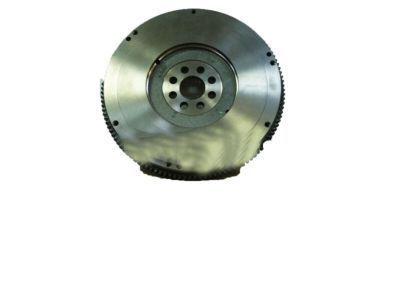
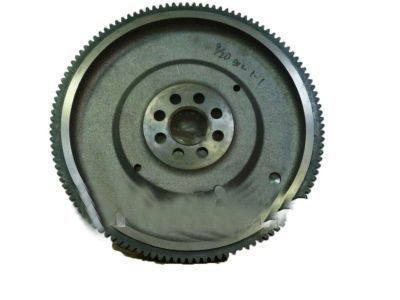
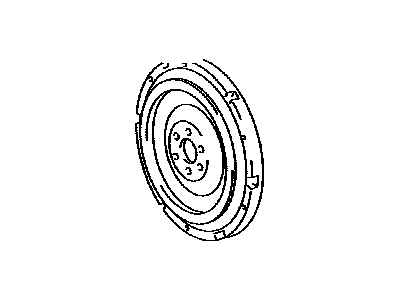
Toyota Corolla Flywheel Sub-Assembly
Part Number: 13405-28020$385.44 MSRP: $575.00You Save: $189.56 (33%)Ships in 1-3 Business Days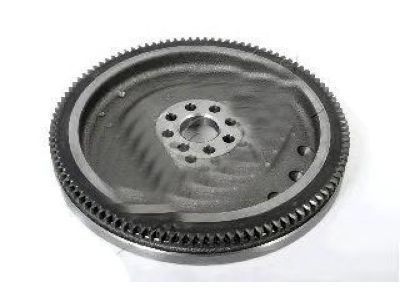
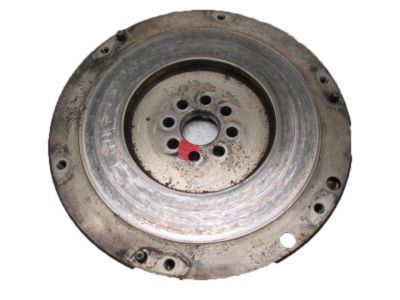
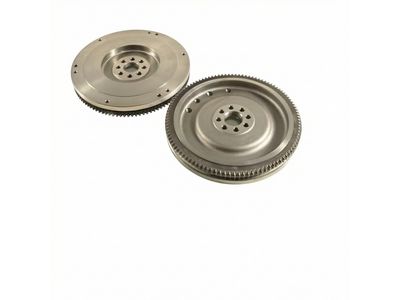
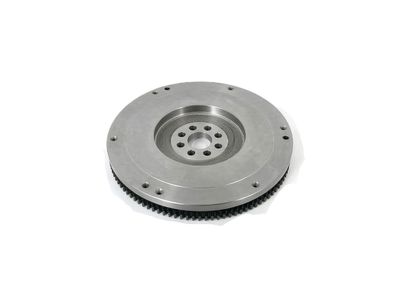
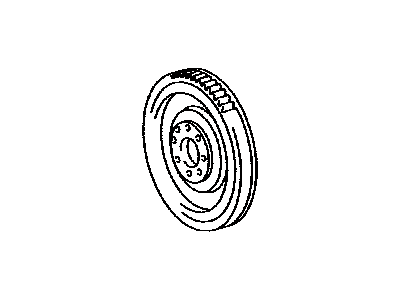
Toyota Corolla Flywheel Sub-Assembly
Part Number: 13405-22020$366.04 MSRP: $546.07You Save: $180.03 (33%)Ships in 1 Business Day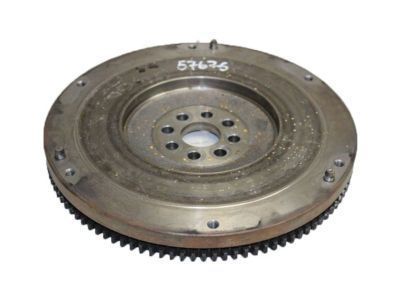
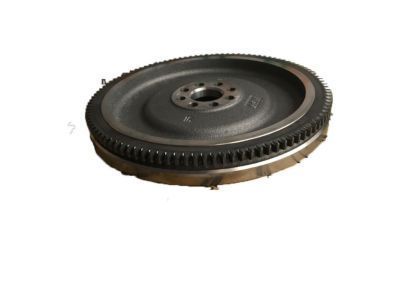
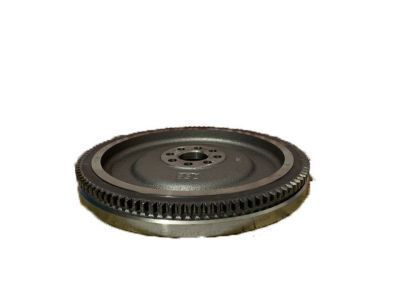
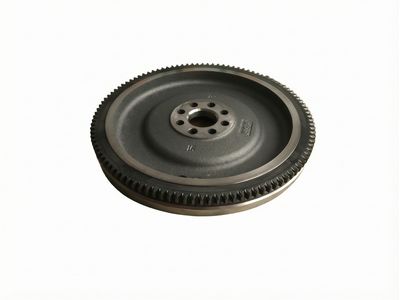
Toyota Corolla Flywheel Sub-Assembly
Part Number: 13405-37051$319.10 MSRP: $457.57You Save: $138.47 (31%)Ships in 1-3 Business Days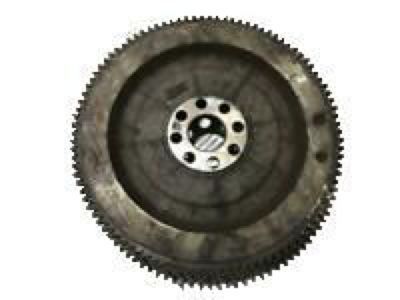
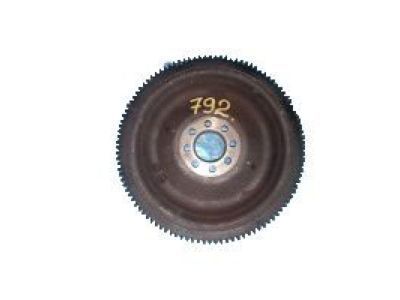
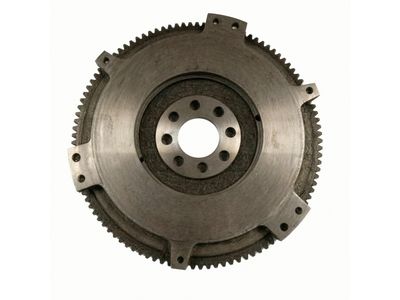
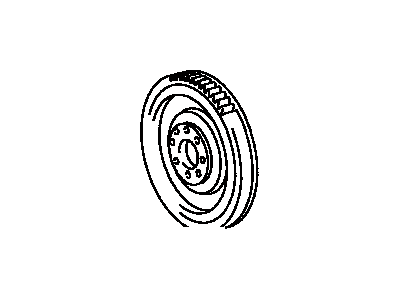
Toyota Corolla Flywheel Sub-Assembly
Part Number: 13405-88600$414.55 MSRP: $618.42You Save: $203.87 (33%)Ships in 1-2 Business Days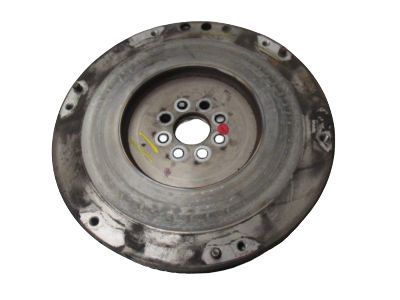
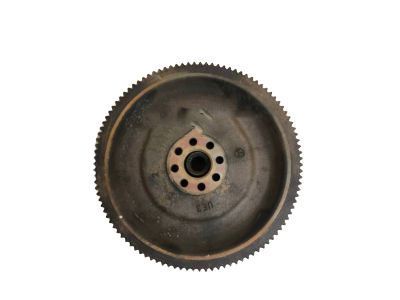
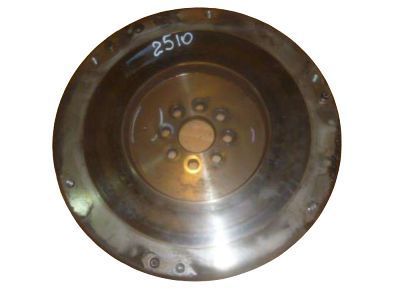
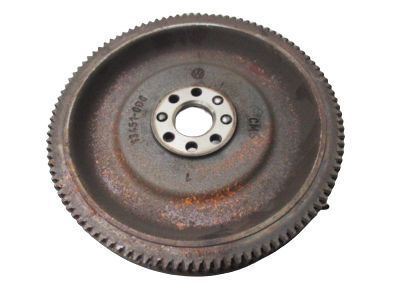
Toyota Corolla Flywheel Sub-Assembly
Part Number: 13451-22020$366.04 MSRP: $546.07You Save: $180.03 (33%)Ships in 1-3 Business DaysToyota Corolla Flywheel Sub-Assembly
Part Number: 13405-37050$319.10 MSRP: $457.57You Save: $138.47 (31%)Ships in 1-3 Business DaysToyota Corolla Flywheel Sub-Assembly
Part Number: 13405-15090$414.55 MSRP: $618.42You Save: $203.87 (33%)Ships in 1-3 Business DaysToyota Corolla Flywheel Sub-Assembly
Part Number: 13405-29036$417.46 MSRP: $622.76You Save: $205.30 (33%)Ships in 1-3 Business DaysToyota Corolla Flywheel Sub-Assembly
Part Number: 13405-19125$263.96 MSRP: $378.49You Save: $114.53 (31%)Ships in 1-3 Business DaysToyota Corolla Flywheel Sub-Assembly
Part Number: 13405-19075$293.25 MSRP: $420.49You Save: $127.24 (31%)Ships in 1-3 Business Days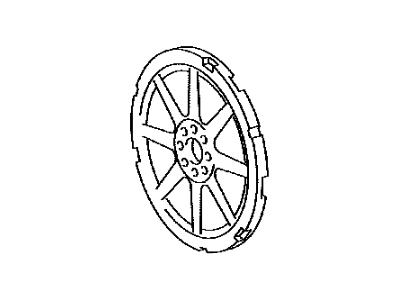
Toyota Corolla Flywheel
Part Number: 13451-37070$347.06 MSRP: $497.66You Save: $150.60 (31%)Ships in 1-3 Business Days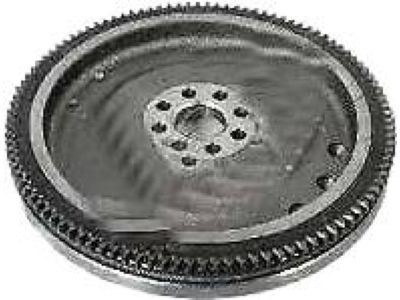
Toyota Corolla Flywheel Assembly with Damper
Part Number: 13450-24020$1281.42 MSRP: $1913.34You Save: $631.92 (34%)
| Page 1 of 2 |Next >
1-20 of 22 Results
Toyota Corolla Flywheel
The Toyota Corolla Flywheel helps the car to make launching easier and starting easier by ensuring that the engine runs smoothly. The Flywheel is mounted on the crankshaft and its heavy weight is applied to smooth out the power strokes. There is a ring gear around its edge, which means that the starter can spin the crank when you turn the key. Its flat surface works with the clutch disc and pressure plate to ensure every gear change has a friction surface capable of withstanding heat and wear. Over the years, drivers of the Toyota Corolla have seen two main styles, the traditional solid Flywheel and the more complex dual mass version. The solid style is a single iron disc that can often be resurfaced when scored, but the dual mass unit sandwiches springs between two linked plates to absorb vibration, cannot usually be machined, and may rattle if its damper fails. Installing a new Flywheel will help prevent chatter when runout exceeds limits. Opting for a dependable Toyota Flywheel component guarantees correct balance and resilience, maintaining smooth power pulses and imparting a feel of confidence during every Corolla shift.
If you are in demand for superior quality and affordable OEM Toyota Corolla Flywheel, then shop with us! We own a wide range of the reduced-priced genuine Toyota Corolla Flywheel. You can purchase in confidence as all parts come with a manufacturer's warranty. Any issues with our products? No need to worry as we have a hassle-free return policy to guide you every step of the way.
Toyota Corolla Flywheel Parts Questions & Experts Answers
- Q:How to remove and install the flywheel/driveplate on Toyota Corolla?Posted by Austrin G.A:All in all, in order to get to the transaxle, the car must be lifted and surely supported by hydraulic jacks; the pressure plate and clutch disc must be pulled out in the case of vehicles equipped with manual transaxle. Dependent upon design, make alignment marks on the flywheel/driveplate and crankshaft with a center punch or paint them so as to enable correct alignment on assembling them again. Take off the bolts connecting the flywheel/driveplate to the crankshaft and attempt to block the spinning of the flywheel with a screwdriver. Slowly unthread the flywheel / driveplate , supporting it when the last bolt is ready to come out, and observe the position of spacers on both sides of driveplate in automatic transaxle equipped vehicle's. In installation, clean the flywheel removing all grease and oil, and examine it for damages.T o check for warpage use a straight edge on it. Check, clean and inspect the mating surfaces of the flywheel/drive plate and crank shaft Replace the crank-shaft rear seal if it is leaking. Place back the flywheel/driveplate to sit on the crankshaft sprocket with the markings made earlier to assist in the alignment and apply some thread-lock on the bolts before tightening to the recommended torque in a diagonal pattern. Lastly, to finalize the installation process, reverse the actions that were previously mentioned under the removal process.Answered by Toyota Parts Specialist Phil / Oct 20, 2022
Related Toyota Corolla Parts
 Toyota Corolla Lug Nuts
 Toyota Corolla Wheel Bearing
 Toyota Corolla Wheel Stud
 Toyota Corolla Wheel Seal
 Toyota Corolla Speedometer Cable
 Toyota Corolla Shift Cable
 Toyota Corolla Torque Converter
 Toyota Corolla Drive Shaft
 Toyota Corolla Axle Shaft
 Toyota Corolla Transfer Case
 Toyota Corolla Wheel Hub
 Toyota Corolla Shift Indicator
Browse by Year
2024 Flywheel 2023 Flywheel 2022 Flywheel 2021 Flywheel 2020 Flywheel 2019 Flywheel 2018 Flywheel 2017 Flywheel 2016 Flywheel 2015 Flywheel 2014 Flywheel 2013 Flywheel 2012 Flywheel 2011 Flywheel 2010 Flywheel 2009 Flywheel 2008 Flywheel 2007 Flywheel 2006 Flywheel 2005 Flywheel 2004 Flywheel 2003 Flywheel 2002 Flywheel 2001 Flywheel 2000 Flywheel 1999 Flywheel 1998 Flywheel 1997 Flywheel 1996 Flywheel 1995 Flywheel 1994 Flywheel 1993 Flywheel 1992 Flywheel 1991 Flywheel 1990 Flywheel 1989 Flywheel 1988 Flywheel 1987 Flywheel 1986 Flywheel 1985 Flywheel 1984 Flywheel 1983 Flywheel 1982 Flywheel 1981 Flywheel 1980 Flywheel 1979 Flywheel 1978 Flywheel 1977 Flywheel 1976 Flywheel 1975 Flywheel