My Garage
My Account
Cart
Genuine Toyota Solara Clutch Fork
Release Fork- Select Vehicle by Model
- Select Vehicle by VIN
Select Vehicle by Model
orMake
Model
Year
Select Vehicle by VIN
For the most accurate results, select vehicle by your VIN (Vehicle Identification Number).
2 Clutch Forks found
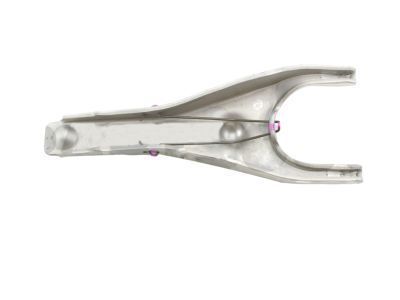
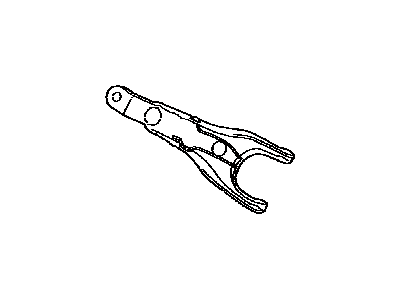
Toyota Solara Clutch Release Fork Sub-Assembly
Part Number: 31204-20100$52.71 MSRP: $73.67You Save: $20.96 (29%)Ships in 1-3 Business Days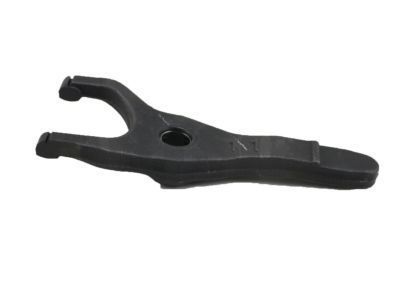
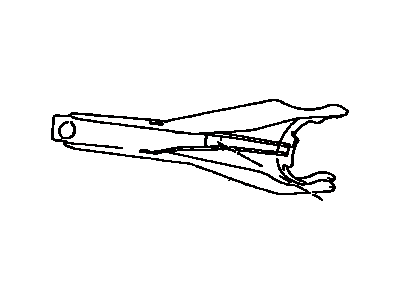
Toyota Solara Clutch Release Fork Sub-Assembly
Part Number: 31204-20111$123.31 MSRP: $175.30You Save: $51.99 (30%)
Toyota Solara Clutch Fork
The Toyota Solara Clutch Fork allows the foot movements of the driver to make a smooth break between the engine and gearbox so that gearchanges are achieved without grinding. When you act on the Clutch Fork through a hydraulic slave cylinder or cable, it forms a stout lever that transmits that force through to the release bearing. That release bearing is then able to push on the pressure plate and unblock the clutch disc. The early setups of the Solara could attach the Clutch Fork to a simple cable, while later and more common editions affixed to Toyota production vehicles feature a hydraulic circuit to convert the pedal pressure to fluid force to the lever. Hydraulic designs may also utilize a concentric slave cylinder, a snug fit around the transmission input shaft that eliminates the need for a separate Clutch Fork altogether while providing a self-adjusting convenience to the driver. Across all Toyota versions, it is crucial to keep the pivots unworn. A bent or cracked Clutch Fork gives a stiff pedal feel, gear clash, or total clutch loss in any Solara.
If you are in demand for superior quality and affordable OEM Toyota Solara Clutch Fork, then shop with us! We own a wide range of the reduced-priced genuine Toyota Solara Clutch Fork. You can purchase in confidence as all parts come with a manufacturer's warranty. Any issues with our products? No need to worry as we have a hassle-free return policy to guide you every step of the way.
Toyota Solara Clutch Fork Parts Questions & Experts Answers
- Q:How to remove the clutch release bearing and Clutch Fork on 1997 through 2001 Toyota Solara?Posted by Peyton K.A:To remove the clutch release bearing and perform an inspection, begin by disconnecting the negative cable from the battery and removing the transaxle. Then, detach the clutch fork from the ball stud and remove the bearing from the fork. During the inspection, hold the bearing and rotate the inner race while applying pressure to check for smooth operation and any noise. If the bearing is not functioning properly or shows signs of damage, wear, or cracks, it should be replaced with a new bearing/hub assembly. Avoid immersing the bearing in solvent as it is sealed for life and doing so can damage it. Additionally, inspect the clutch fork for cracks and bends. For installation, fill the inner groove of the release bearing with high-temperature grease. Apply a light coat of the same grease to the transaxle input shaft splines and the front bearing retainer. Lubricate the clutch fork ball socket, fork ends, and release cylinder pushrod socket with high-temperature grease. Attach the release bearing to the clutch fork and slide it onto the transaxle input shaft front bearing retainer, passing the end of the clutch fork through the opening in the clutch housing. Ensure the clutch fork is firmly seated on the ball stud. Apply a light coat of high-temperature grease to the face of the release bearing where it contacts the pressure plate diaphragm fingers. The remaining steps of the installation are the reverse of the removal procedure.Answered by Toyota Parts Specialist Andy / Aug 23, 2022