

My Garage
My Account
Cart
Genuine Toyota Tercel Fuel Pump
Gas Pump- Select Vehicle by Model
- Select Vehicle by VIN
Select Vehicle by Model
orMake
Model
Year
Select Vehicle by VIN
For the most accurate results, select vehicle by your VIN (Vehicle Identification Number).
7 Fuel Pumps found
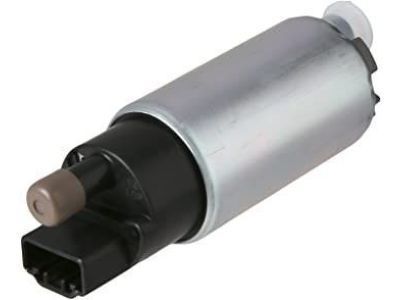
Toyota Tercel Fuel Pump Assembly
Part Number: 23221-46010$273.75 MSRP: $392.54You Save: $118.79 (31%)Ships in 1-3 Business Days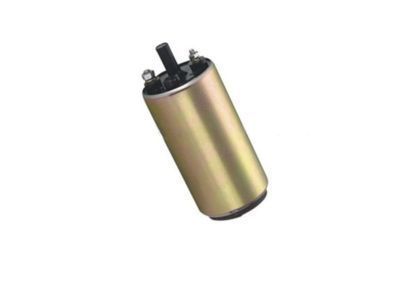
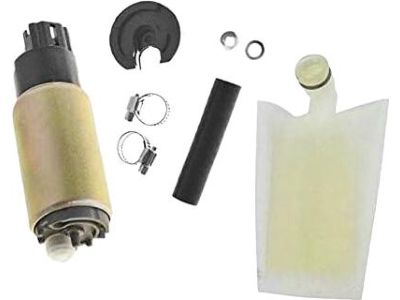
Toyota Tercel Fuel Pump Assembly
Part Number: 23220-43070$388.01 MSRP: $578.83You Save: $190.82 (33%)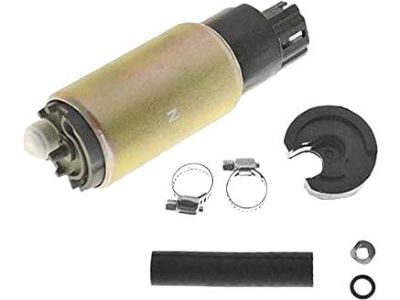
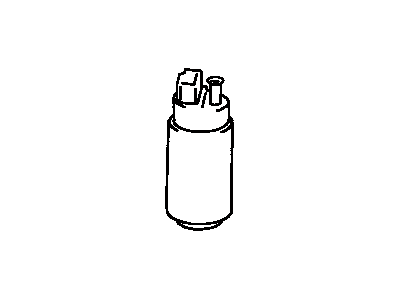
Toyota Tercel Fuel Pump Assembly
Part Number: 23221-11050$346.31 MSRP: $516.62You Save: $170.31 (33%)Ships in 1-3 Business Days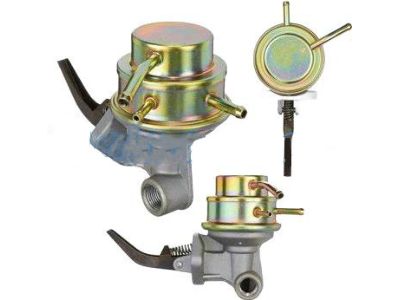
Toyota Tercel Fuel Pump
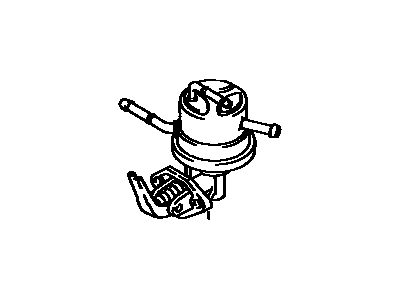
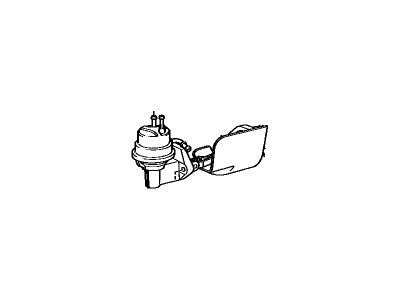
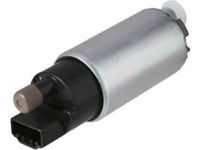
The Fuel Pump of the Toyota Tercel transfers fuel from the fuel tank to the engine. The early carbureted variants applied a mechanical Fuel Pump that was bolted to the engine block, and its lever rode on a camshaft eccentric to draw fuel at roughly 6 to 15 psi to the carburetor's float bowl. The mechanical Fuel Pump is a pulse type Fuel Pump which pulls in the fuel only in pulses. It works well under low-pressure conditions. However, the flow limitations due to the design and the absence of in-tank cooling restrict its ability to produce fuel at higher output. Subsequent Toyota Tercel models with fuel injection utilized an electric Fuel Pump installed in the tank, which also serves as the sending unit that indicates fuel level. The motor remains cool due to submersion in fluid, and the pump produces 40 to 60 psi for injectors. Power management during cranking or collision is handled by the relays and the ECU. Although both versions aim to deliver a steady flow, the electric unit has the advantages of higher pressure, quieter running and improved fire protection while the simpler mechanical alternative remains adequate for classic Tercel carb setups. When turning the key, listen for the Fuel Pump prime. It's a quick clue for any Toyota owner that voltage is reaching the unit.
If you are in demand for superior quality and affordable OEM Toyota Tercel Fuel Pump, then shop with us! We own a wide range of the reduced-priced genuine Toyota Tercel Fuel Pump. You can purchase in confidence as all parts come with a manufacturer's warranty. Any issues with our products? No need to worry as we have a hassle-free return policy to guide you every step of the way.
Toyota Tercel Fuel Pump Parts Questions & Experts Answers
- Q:How to check the fuel pump on Toyota Tercel?Posted by Tamer E.A:To check the fuel system, start by ensuring there is enough fuel in the Fuel Tank. If there are doubts about the fuel gauge reading, a long wooden dowel can be inserted into the fuel filler opening to serve as a dipstick. For carbureted engines with a mechanical pump, raise the vehicle and inspect all fuel lines for leaks, loose connections, or kinks. Start the engine and check for leaks on the fuel pump. If there is little or no gasoline coming from the fuel line during engine cranking, the fuel line may be clogged or the fuel pump may need to be replaced. For fuel-injected engines with an electric pump, perform a fuel pump operation check by bridging terminals +B and Fp of the check connector to activate the fuel pump. Listen for fuel return noises and check for pressure in the hose from the fuel filter. If there is no pressure, inspect the electrical components such as fuses, relays, wiring, and connectors. To check the fuel pressure, a fuel pressure gauge with a banjo fitting is required. Attach the gauge and measure the fuel pressure, comparing it to the specifications. If the pressure is not as specified, check for restricted fuel return lines or replace the pressure regulator. Finally, check the fuel pump electrical components by testing for battery voltage to the relays and the fuel pump itself. If there is voltage present, have the relays checked by a professional. Additionally, check the fuel pressure regulator components by applying vacuum and comparing the fuel pressure readings. If the pressure is too high or low, replace the fuel pressure regulator. Lastly, test the fuel pressure control system by checking the resistance of the vacuum switching valve and ensuring proper airflow. Replace any faulty components as needed.Answered by Toyota Parts Specialist Ray / Sep 29, 2025
Related Toyota Tercel Parts
 Toyota Tercel Throttle Body
 Toyota Tercel Throttle Cable
 Toyota Tercel Fuel Tank
 Toyota Tercel Fuel Rail
 Toyota Tercel Throttle Body Gasket
 Toyota Tercel Fuel Level Sensor
 Toyota Tercel Accelerator Cable