

My Garage
My Account
Cart
Genuine Toyota Fuse
Circuit Fuse- Select Vehicle by Model
- Select Vehicle by VIN
Select Vehicle by Model
orMake
Model
Year
Select Vehicle by VIN
For the most accurate results, select vehicle by your VIN (Vehicle Identification Number).
199 Fuses found
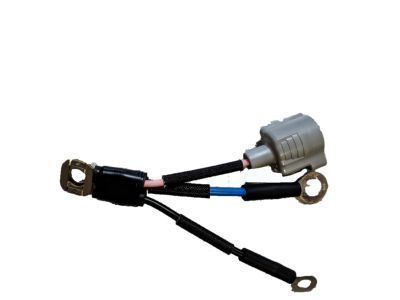
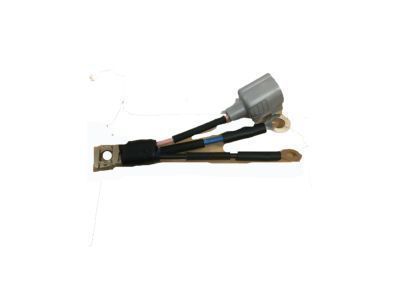
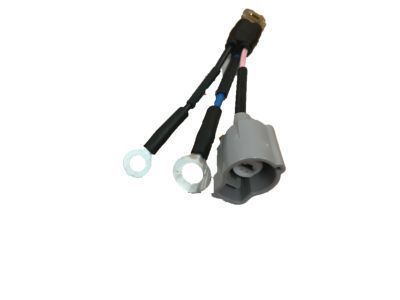
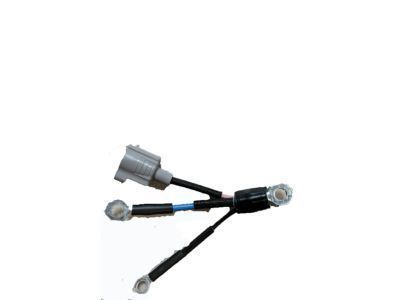

Toyota Fusible Link
Part Number: 90982-08264$19.62 MSRP: $27.42You Save: $7.80 (29%)Ships in 1-3 Business Days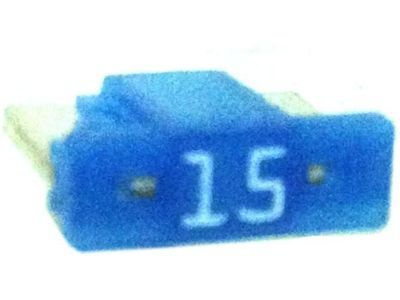
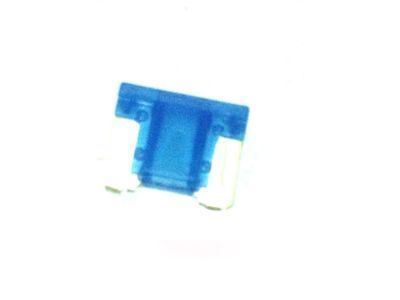

Toyota Fuse Block
Part Number: 90982-09022$2.13 MSRP: $2.98You Save: $0.85 (29%)Ships in 1-3 Business DaysProduct Specifications- Other Name: Fuse, Fuse Block
- Position: Driver Side&Passenger Side
- Replaced by: 90080-82052
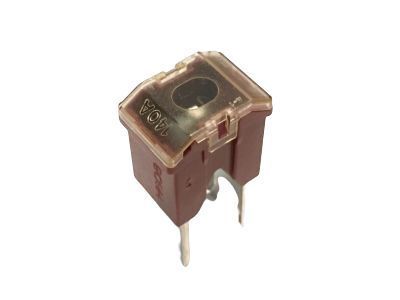
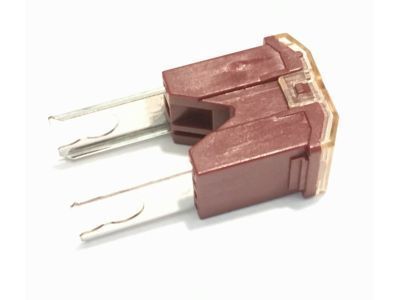
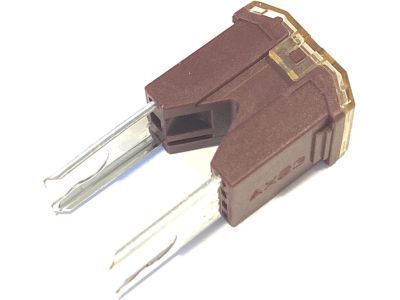
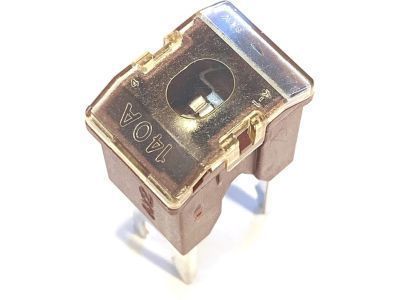
Toyota Engine Room Fusible Link
Part Number: 90982-08286$17.24 MSRP: $24.10You Save: $6.86 (29%)Ships in 1-2 Business DaysProduct Specifications- Other Name: Fusible Link; Fuse
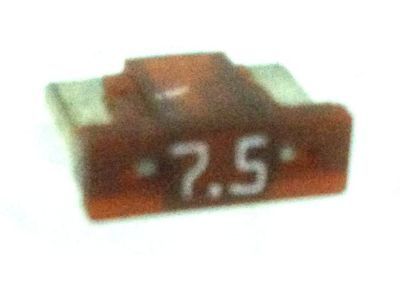
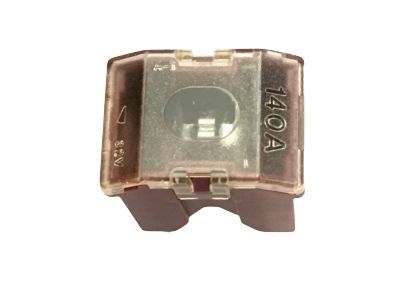
Toyota Front Compartment Fuse
Part Number: 90982-09020$1.77 MSRP: $2.48You Save: $0.71 (29%)Ships in 1-3 Business DaysProduct Specifications- Other Name: Fuse, Fuse Block
- Replaced by: 90080-82050
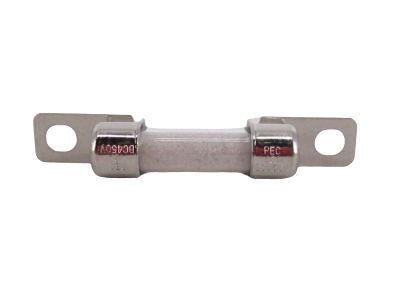
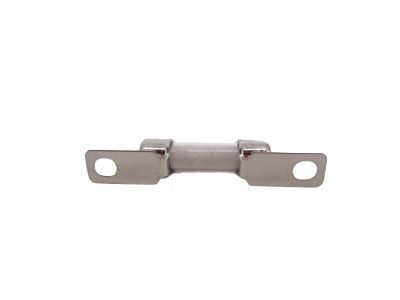
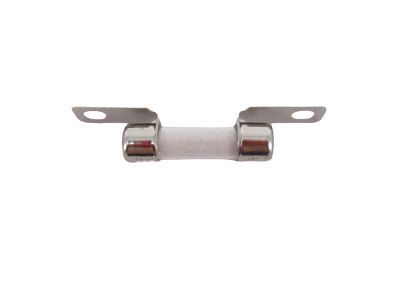
 Product Specifications
- Other Name: Fuse, High Voltage; Fuse
- Manufacturer Note: ACTIVE SAFETY PACKAGE- TOYOTA SAFETY SENSE
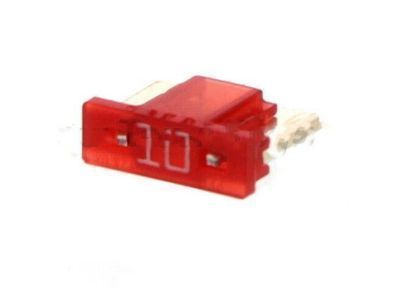
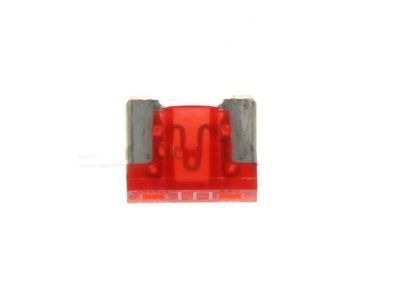
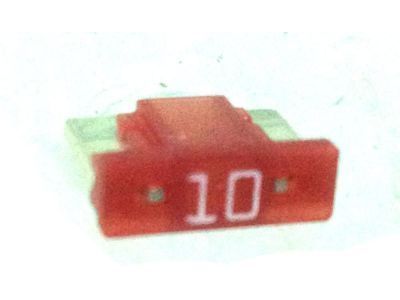
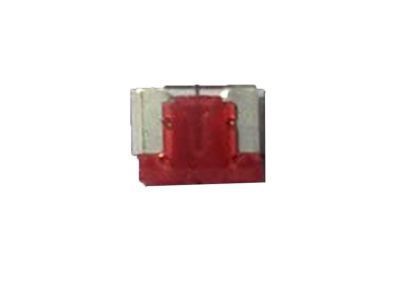
 Product Specifications
- Other Name: Fuse, Fuse Block
- Position: Driver Side&Passenger Side
- Replaced by: 90080-82051
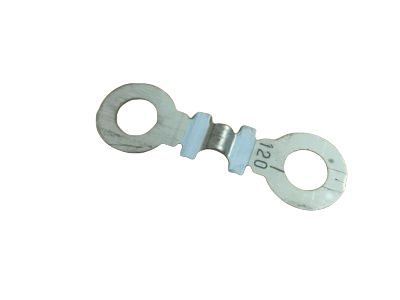
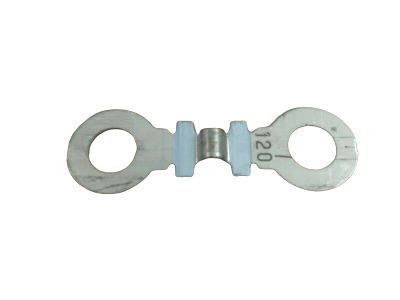

Toyota Fuse Block Fuse
Part Number: 82618-52030$5.11 MSRP: $7.14You Save: $2.03 (29%)Ships in 1-3 Business DaysProduct Specifications- Other Name: Fuse, Fuse Block; Fuse
- Manufacturer Note: 120A
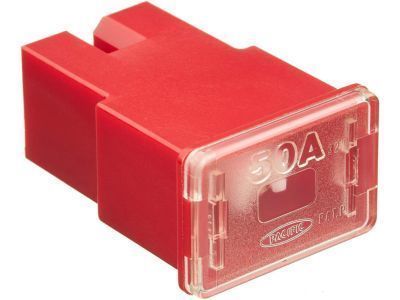
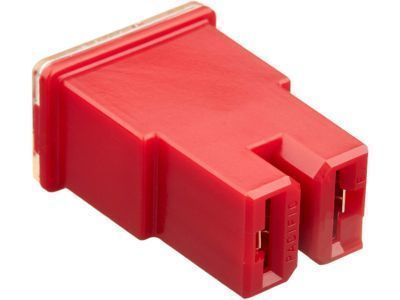

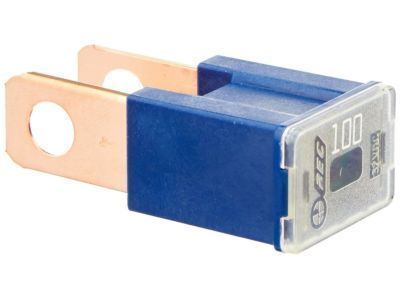
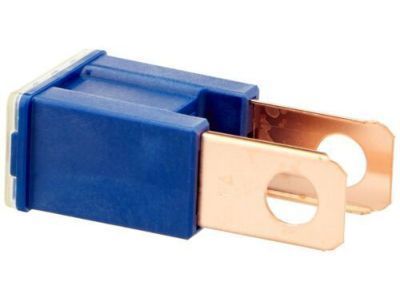
Toyota Fusible Link
Part Number: 90982-08227$12.25 MSRP: $17.11You Save: $4.86 (29%)Ships in 1-3 Business Days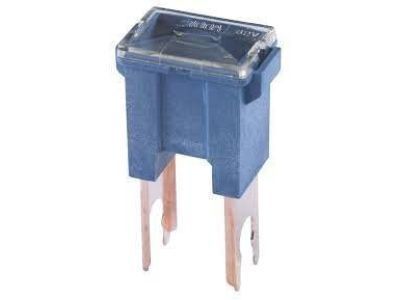
Toyota Engine Room Fusible Link
Part Number: 90982-08246$11.89 MSRP: $16.62You Save: $4.73 (29%)Ships in 1-3 Business DaysProduct Specifications- Other Name: Fusible Link; Fuse, Link
- Replaces: 90982-08273
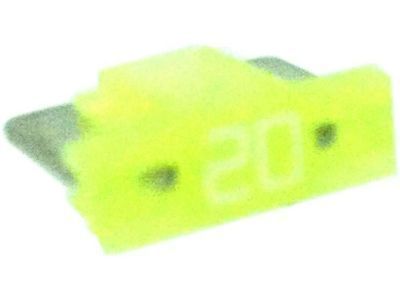
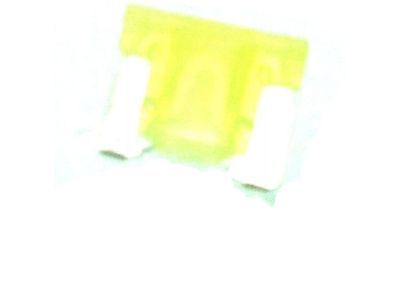
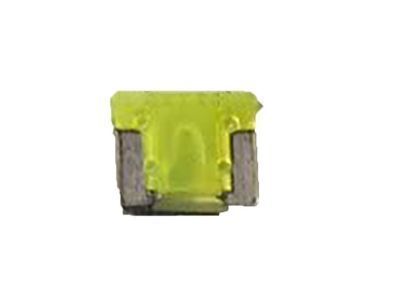
Toyota Fuse, Mini
Part Number: 90982-09023$1.77 MSRP: $2.48You Save: $0.71 (29%)Ships in 1-3 Business DaysProduct Specifications- Other Name: Fuse, Fuse Block
- Position: Driver Side&Passenger Side
- Replaced by: 90080-82053
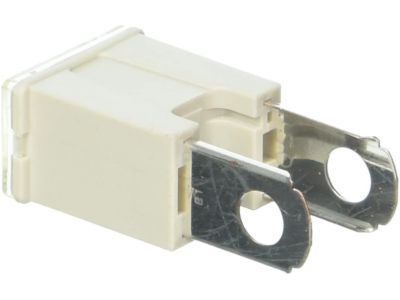
Toyota Engine Room Fusible Link
Part Number: 90982-08274$17.84 MSRP: $24.93You Save: $7.09 (29%)Ships in 1 Business DayProduct Specifications- Other Name: Fusible Link; Fuse
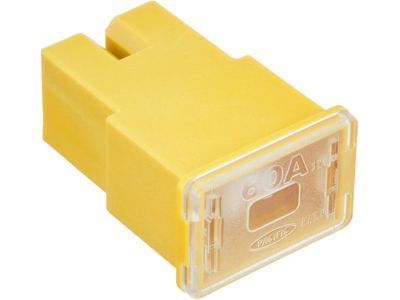
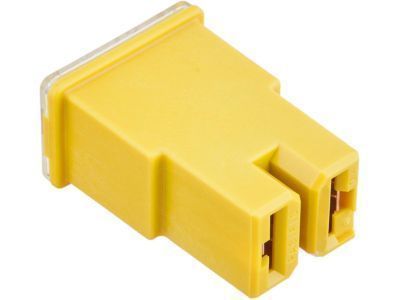
Toyota Fusible Link
Part Number: 90982-08190$15.82 MSRP: $22.11You Save: $6.29 (29%)Ships in 1-3 Business DaysProduct Specifications- Other Name: Link
- Replaces: 90080-82008
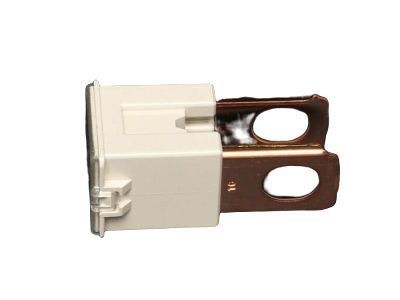
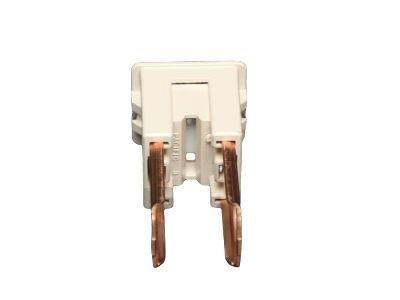
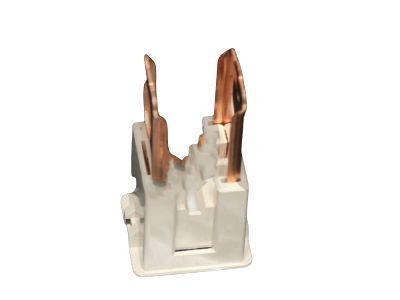
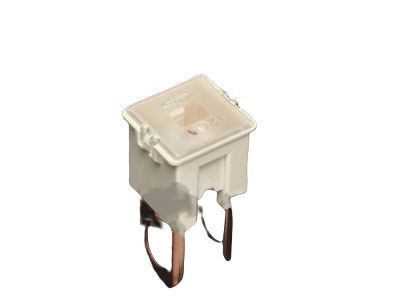
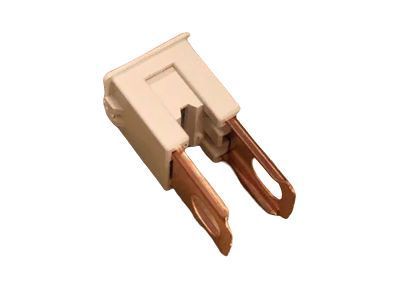
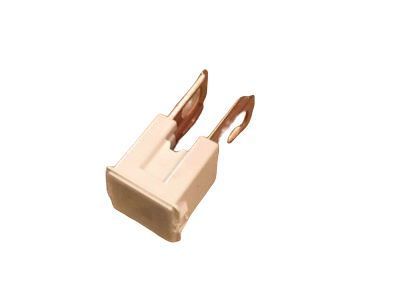
Toyota Fusible Link
Part Number: 90982-08271$15.10 MSRP: $21.11You Save: $6.01 (29%)Ships in 1-2 Business DaysProduct Specifications- Manufacturer Note: 120A,TERM.:MALE,WHT
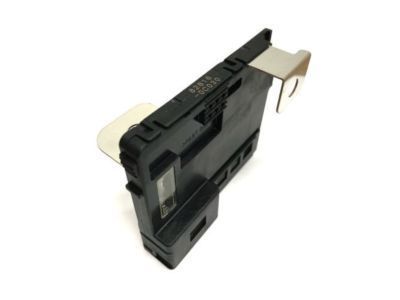
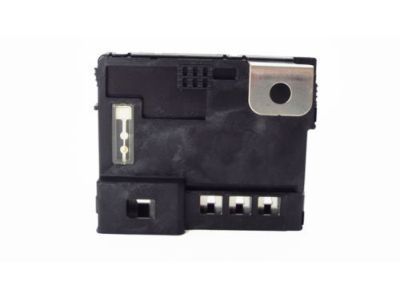
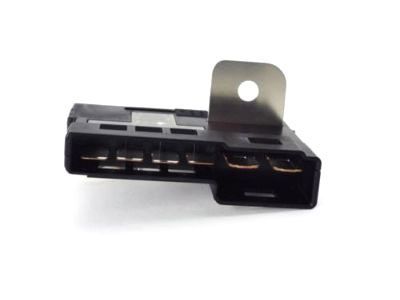
 Product Specifications
- Other Name: Fuse, Fuse Block
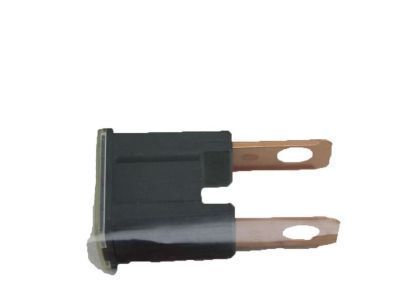
Toyota Engine Room Fusible Link
Part Number: 90982-08203$11.89 MSRP: $16.62You Save: $4.73 (29%)Ships in 1-3 Business DaysProduct Specifications- Other Name: Fusible Link
- Replaces: 90982-08253
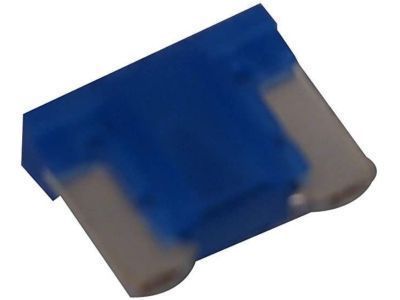
Toyota Fuse, Mini
Part Number: 90080-82052$2.13 MSRP: $2.98You Save: $0.85 (29%)Ships in 1-3 Business DaysProduct Specifications- Other Name: Fuse, Fuse Block; Fuse, Mini Fuse
- Replaces: 90982-09022
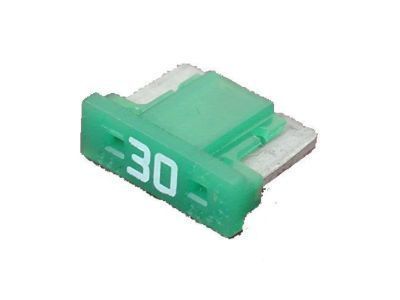
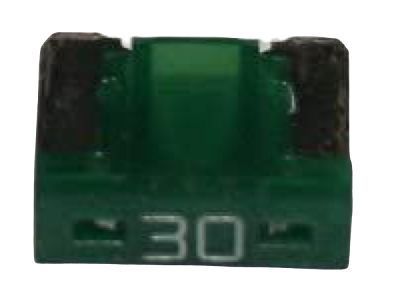
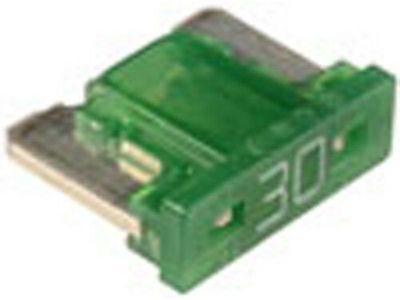
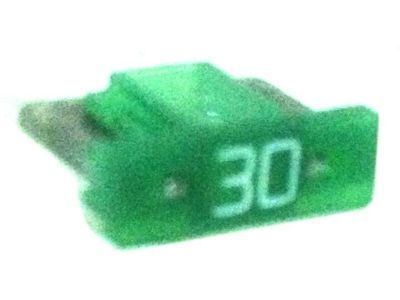
Toyota Fuse, Mini
Part Number: 90982-09025$1.42 MSRP: $1.98You Save: $0.56 (29%)Ships in 1-3 Business DaysProduct Specifications- Other Name: Fuse, Fuse Block
- Position: Driver Side&Passenger Side
- Replaced by: 90080-82054
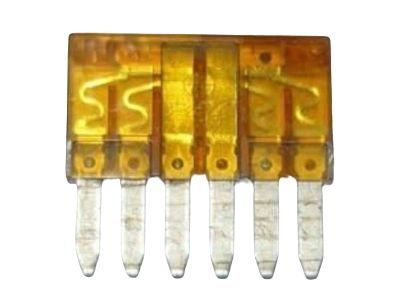
Toyota Multi Fuse
Part Number: 90982-09014$5.70 MSRP: $7.96You Save: $2.26 (29%)Ships in 1-3 Business DaysProduct Specifications- Other Name: Fuse, Fuse Block; Fuse
- Manufacturer Note: 5A,MULTI FUSE,TAN
Toyota Fuse Block
Part Number: 90982-09016$5.70 MSRP: $7.96You Save: $2.26 (29%)Ships in 1-3 Business DaysProduct Specifications- Other Name: Fuse, Fuse Block; Fuse
- Manufacturer Note: 7.5A,MULTI FUSE,BRN
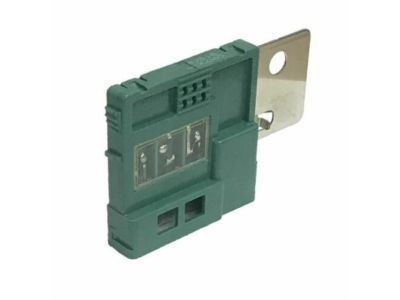
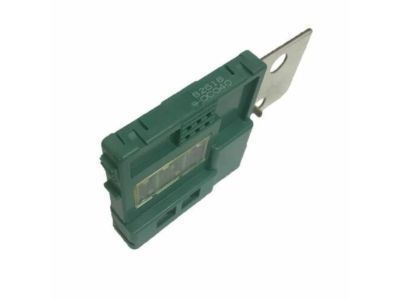
 Product Specifications
- Other Name: Fuse, Fuse Block
- Manufacturer Note: NO.2
| Page 1 of 10 |Next >
1-20 of 199 Results
Toyota Fuse Parts Questions & Experts Answers
- Q:How are the electrical circuits protected and how should blown fuses be handled on 1996 through 2002 Toyota 4Runner?A:Different protection systems for car wiring come together: fuses, circuit openers, and safety connectors work on the same side of the vehicle. Passengers speed off for easy access in the driver's left dashboard, and mechanics can fix car issues there. Every fuse guards a distinct electrical system, and you can find what it defends on the fuse box. Dot-shaped fuses with simple blade terminals make it simple to take them out and put them back in. Before fixing broken electrical parts, always start with a quick check of the fuses. A simple way to see if your fuses are working properly is by using a test light. Hold it at each tip end to see if current flows - a blown fuse won't pass electricity from one side to the other. Scoring the right type of fuse for replacement is vital - they all fit the same slots, but you must pick the right size fuse to ensure proper current control. Any replacement fuse that stops working right away should wait to be fixed until finding and repairing the fault, which is typically faulty or damaged cables creating short circuits.
- Q:How are the electrical circuits protected and how should I approach diagnosing issues related to fuses on 1997 through 2001 Toyota Avalon?A:The vehicle's electrical circuits are safeguarded by a combination of fuses, circuit breakers, and fusible links. Fuse blocks are situated beneath the instrument panel and in the engine compartment, contingent upon the vehicle's model year. Each fuse corresponds to a specific circuit, with circuit identification outlined on the fuse panel cover. The fuse blocks employ miniaturized fuses with blade terminal design for convenient removal and replacement. When an electrical component malfunctions, it's advisable to inspect the fuse first, preferably using a test light. Check for power at the exposed terminal tips of each fuse; if power is present on one side but not the other, the fuse is blown, which can also be visually confirmed. It's crucial to replace blown fuses with the correct type, as different fuse ratings are interchangeable but only those of the proper rating should be used, as each circuit requires specific protection. The amperage value is marked on the fuse body. If a replacement fuse fails immediately, refrain from replacing it again until the underlying problem causing the failure is identified and rectified; often, it's due to a short circuit resulting from damaged wiring.
- Q:How are the electrical circuits protected and what are the procedures for handling blown fuses and fusible links on 2005 through 2009 Toyota Tacoma?A:The circuits of the vehicle are protected by way of fuses, the circuit breakers and the fusible links. The fuse and relay compartment for the engine is on the driver side, beneath the bonnet just below the battery in which at the bottom of the cover casing you have a guide. This could be located at the left side of the instrument panel at the far end of it, specifically after removing the coin tray which also doubles as the fuse and relay locator. Every single fuse is designed for a particular circuit; these are circuits that can be easily recognized on the fuse panel. Fuses with the blade terminal design are miniaturized and can be easily removed and replaced; to confirm if a fuse is blown, use a test light to check for power on the terminal tips of the fuse; this is easily evident. It is always recommended to replace blown fuses with the same amperage fuses, because substitute fuses of another rating may harm the circuit protection. If the same replacement fuse blows soon after, then the problem, a short circuit usually resulting from damaged wiring, needs to be fixed. Some circuits incorporate the use of fusible links specifically in areas that do not have common fuses, usually the ignition circuit. These links, frequently thick wire, melt through when current surpasses the design limit: one has to cut out the link and solder on a new one. Some fusible links look like giant fuses, of sorts, and after having pulled the negative cable on the battery, the ruined link can be swapped for a new one of comparable amps.
Related Toyota Parts


Browse by Model
4Runner Fuse 86 Fuse Avalon Fuse bZ4X Fuse C-HR Fuse Camry Fuse Celica Fuse Corolla Cross Fuse Corolla Fuse Corolla iM Fuse Corona Fuse Cressida Fuse Crown Fuse Echo Fuse FJ Cruiser Fuse GR Corolla Fuse GR Supra Fuse GR86 Fuse Grand Highlander Fuse Highlander Fuse Land Cruiser Fuse Matrix Fuse Mirai Fuse MR2 Fuse MR2 Spyder Fuse Paseo Fuse Pickup Fuse Previa Fuse Prius AWD-e Fuse Prius C Fuse Prius Fuse Prius Prime Fuse Prius V Fuse RAV4 Fuse RAV4 Prime Fuse Sequoia Fuse Sienna Fuse Solara Fuse Starlet Fuse Supra Fuse T100 Fuse Tacoma Fuse Tercel Fuse Tundra Fuse Van Fuse Venza Fuse Yaris Fuse Yaris iA Fuse